
High Taper Fade: The Ultimate 2025 Guide for a Bold, Modern Look


After 12 years cutting hair in Melbourne’s busiest barbershops, I’ve watched the high taper fade evolve from a niche military-inspired cut to one of 2025’s most requested styles. The high taper fade creates dramatic contrast by starting the blend high near your temples, giving you that sharp, modern edge while keeping enough length on top for serious styling flexibility.
This isn’t just another fade variation. Research from leading grooming platforms shows high taper fades now account for 40% of all fade requests in professional barbershops, up from 28% in 2023. The style’s popularity spans age groups and professions precisely because it balances boldness with versatility.
TL;DR: What You’ll Learn
- High taper fades start above your temples, creating maximum contrast between top and sides
- Works with straight, wavy, curly, and coily hair textures when cut correctly
- Requires touch-ups every 2-3 weeks to maintain crisp lines
- Costs £25-45 in the UK, $30-60 in the US depending on location and barber experience
- Pairs exceptionally well with textured tops, pompadours, and natural curls in 2025
What Is a High Taper Fade?
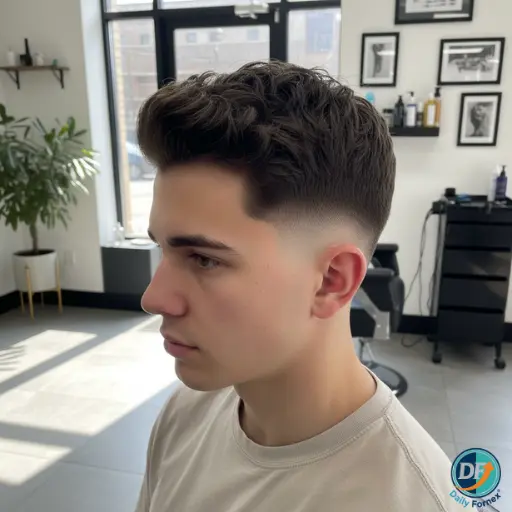
A high taper fade is a precision haircut where the gradual shortening begins high on your head, typically at or above temple level. The hair transitions from longer on top to progressively shorter down the sides and back, eventually blending into very short hair or skin around the ears and neckline.
The “high” placement creates maximum contrast. Where a low taper fade keeps more length on the sides, the high version removes bulk aggressively, drawing attention upward to your top styling.
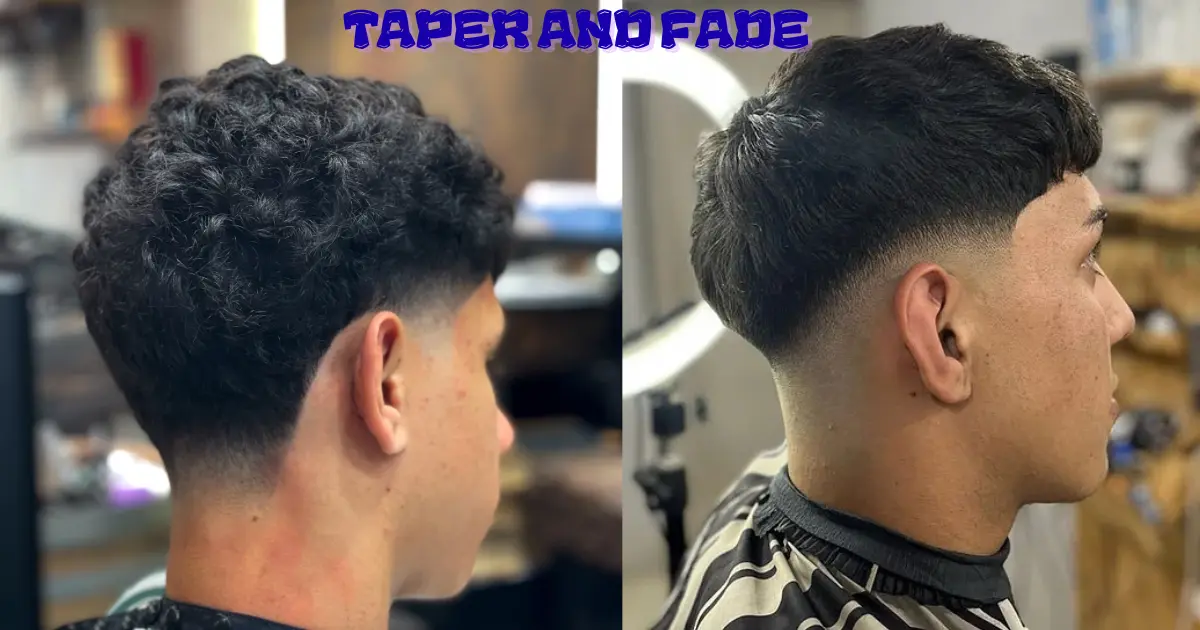
The technique differs fundamentally from basic clipper cuts. Professional barbers use multiple guard sizes (typically #4 down to #0.5 or skin) with careful blending between each length. This creates that signature smooth gradient without visible lines.
The style gained traction in 2010s hip-hop culture but exploded mainstream around 2020. Today’s version emphasizes natural texture on top rather than heavily gelled styles, reflecting 2025’s preference for authentic, lived-in looks.
Why the High Taper Fade Dominates 2025
Three factors drive current popularity. First, the style adapts to virtually any professional or casual context. I’ve cut high tapers for solicitors heading to court and skaters heading to the park. Both looked appropriate.
Second, social media transformed awareness. When Cristiano Ronaldo, LeBron James, and Drake consistently sport variations of this cut, millions of men notice. Instagram and TikTok barber accounts showcase intricate high taper techniques, making the style aspirational yet achievable.
Third, the high placement actually reduces maintenance complexity compared to skin fades. Yes, you need regular touch-ups, but the higher starting point means grow-out looks intentional rather than sloppy. A high fade versus drop fade comparison shows the high taper maintains shape longer as it grows.
Current trends favour matte-finish styling products over glossy pomades, textured natural movement over rigidly styled tops, and personalised details like razor parts or geometric designs etched into the fade area.
The Technical Breakdown: High vs. Mid vs. Low Tapers
Understanding placement helps you communicate with barbers effectively.
High Taper Fade: Begins at or above temple level, creating dramatic contrast. Best for bold statements and works brilliantly with volume-heavy tops. Requires the most frequent maintenance.
Mid Taper Fade: Starts around the middle of your head’s side, roughly where your ear’s top sits. The mid taper fade offers balance between subtlety and impact. Many professionals choose this for its versatility.
Low Taper Fade: Begins near your ears’ bottom or neckline. Most conservative option, grows out gracefully, suits traditional workplaces.
The high version creates the strongest visual impact. If you’re choosing between them, consider your workplace culture and personal comfort with attention-grabbing styles.
Different High Taper Fade Styles for Every Hair Type
Classic High Taper Fade
The foundational version keeps 1-2 inches on top with a clean, simple style. Perfect if you want the fade’s sharpness without complex top styling. Works universally across hair types. Style with light matte clay, run fingers through for texture.
High Taper Fade with Curly Hair
This pairing is genuinely transformative. The high fade removes side bulk where curls create puffiness, letting your natural curl pattern shine on top. I’ve seen clients with unmanageable curls suddenly look magazine-ready after this cut.
Use curl-defining cream on damp hair, scrunch gently, air dry or diffuse. The fade provides structure while your curls provide personality. For even more specialised curly hair techniques, explore burst fade for curly hair options.
High Taper Fade with Straight Hair
Straight hair benefits from the height illusion high tapers create. The upward eye movement makes your face appear longer, particularly flattering for round face shapes. Pair with a textured top, side part, or slicked-back style.
Apply texture powder at roots for volume, work lightweight styling cream through lengths. Straight hair shows fade precision beautifully, so choose experienced barbers.
High Taper Fade with Waves
360 waves look incredible with high tapers. The crisp fade edges frame your wave pattern like a professional photograph’s border. Brush twice daily (forward, then back to your wave direction), durag overnight, moisturize consistently.
The high placement prevents waves from looking bottom-heavy. Keep top length at 1-1.5 inches for optimal wave definition.
High Taper Fade with Beard
Integrating your fade into beard styling creates visual cohesion. The barber should blend your sideburns seamlessly into your beard line, creating one continuous groomed edge.
This combination particularly suits men with strong jawlines or those wanting to add facial definition. A neat, trimmed beard (8-15mm) works best, though full beards create dramatic masculine presence when properly shaped.
Face Shapes and Hair Types: Who Suits High Taper Fades?
Oval faces: Universally flattering. The high taper’s upward draw complements natural balance.
Round faces: Excellent choice. The vertical emphasis visually lengthens your face, counteracting roundness.
Square faces: The fade’s angularity echoes your natural jaw structure. Consider softening the top with texture rather than severe geometric styling.
Diamond faces: Works well but avoid excessive top volume, which can overemphasize narrow forehead/chin proportions.
Hair texture considerations: Straight hair shows every blending detail, requiring skilled barbers. Wavy hair offers forgiving texture that hides minor imperfections. Curly and coily hair benefit most dramatically from high tapers, as the side reduction lets natural texture breathe.
Thin hair actually gains visual density from high tapers. The contrast tricks the eye into perceiving the remaining hair as fuller than it is.
How to Get the Perfect High Taper Fade
Communicating with Your Barber
Bring reference photos showing the exact fade height, top length, and styling you want. Use specific language: “I want a high taper fade starting at temple level, blending to a #1 at the ears, keeping 2 inches on top with textured layers.”
Mention your styling habits honestly. If you won’t blow-dry daily, say so. If you exercise heavily and shower twice daily, mention it. These factors influence the cut’s design.
Ask about your barber’s experience with high tapers specifically. Not all barbers excel at all techniques. A specialist’s higher price delivers better results than a generalist’s discount rate.
The Cutting Process
Professional high taper fades take 30-45 minutes. Quick cuts rarely achieve proper blending.
Your barber starts by sectioning and establishing the top length. Then they mark where the fade begins (your temple area for high tapers) and create the initial high guideline using clippers.
The actual fade involves multiple passes with progressively smaller guards, each blended into the previous length. Experienced barbers use clipper-over-comb technique for ultra-smooth transitions, especially in the critical “blend zone” where lengths merge.
Finally, they detail the hairline around your ears and neckline with trimmers, creating those sharp edges that make fresh fades look so striking.
Essential Tools
Professional barbers use adjustable clippers (Andis Masters and Wahl Seniors are industry standards), multiple guard sizes (typically #4, #3, #2, #1.5, #1, #0.5), blending shears, detailing trimmers, and quality combs. At home, you’ll need at least professional-grade clippers if attempting maintenance between cuts.
Maintenance and Styling
Touch-Up Frequency
High taper fades require touch-ups every 2-3 weeks. Hair grows approximately 0.5 inches monthly, meaning your crisp lines soften within 10-14 days.
Thicker, faster-growing hair needs more frequent cuts. Many of my clients book recurring appointments every 18 days, finding this interval maintains their look optimally.
Between professional cuts, you can clean up your neckline and around ears using quality trimmers. Be conservative. Aggressive home trimming often creates visible mistakes requiring barbers to cut higher than originally planned. Professional taper fade maintenance techniques apply across fade heights.
Daily Styling Routine
Morning: Work small amount of product (matte clay, texture cream, or light pomade) through damp or dry hair depending on product instructions. Style with fingers or comb depending on desired look. Less product works better than more.
Washing: Cleanse every 2-3 days with sulfate-free shampoo. Daily washing strips natural oils, causing dryness and making hair harder to style. Always condition.
Overnight: For waves, durag. For curls, silk/satin pillowcase prevents friction frizz.
Product Recommendations
Matte finish (textured, natural looks): Medium-hold matte clay or fiber cream. These products are currently dominating 2025 trends.
Shine finish (slicked, polished looks): Water-based pomade with medium hold. Avoid petroleum-based products that leave residue.
Curly hair: Leave-in conditioner plus curl-defining cream. Moisture is essential.
Waves: Wave butter or pomade, plus quality wave brush (boar bristle).
Fine/thin hair: Texture powder at roots for volume, lightweight styling cream through lengths.
Common Styling Mistakes to Avoid
Using too much product creates clumpy, unnatural appearance. Start with less than you think you need.
Blow-drying without heat protectant damages hair over time. Use protection spray first.
Combing curly hair when dry creates frizz and breaks curl pattern. Only comb when wet with conditioner in.
Neglecting scalp health. Dry, flaky scalp shows glaringly with short fade sides. Moisturize skin, not just hair.
Skipping regular trims to “save money” actually costs more when barbers must correct overgrown shapes rather than maintaining existing cuts.
High Taper Fade Comparisons
High Taper Fade vs. Low Taper Fade
The low taper fade starts near your ears, keeping significantly more hair on the sides. Choose low tapers for conservative professional environments or if you prefer subtlety.
High tapers make bolder statements. They create more dramatic contrast, require more frequent maintenance, and suit men comfortable with attention-grabbing style.
Neither is objectively better. Your choice depends on personal style confidence, workplace culture, and maintenance commitment.
High Taper Fade vs. Mid Fade
The mid taper fade splits the difference, starting roughly where your ear’s top sits. It offers the best balance for men wanting noticeable style without maximum boldness.
High tapers pull more aggressively upward, mid fades feel more balanced. For first-time fade wearers, mid placement often feels more comfortable initially.
High Taper Fade vs. Skin Fade
Skin fades (also called bald fades) blend all the way down to bare skin, creating ultimate contrast. High taper fades typically stop at a #0.5 or #1 guard, leaving minimal hair rather than true baldness.
Skin fades demand the most maintenance, looking scruffy within 7-10 days. High tapers maintain shape longer. Both achieve modern, clean aesthetics with different intensity levels.
Cost Considerations for High Taper Fades
UK pricing typically ranges £25-45 depending on location and barber experience. London’s premium barbershops charge £40-60, while regional cities average £25-35.
US pricing runs $30-60, with major cities (New York, Los Angeles, Chicago) commanding $50-75 for experienced specialists. Smaller markets average $30-45.
Australian pricing sits around AUD 40-70 in metropolitan areas.
The premium over basic cuts (usually £10-15 additional) reflects the technical skill required. Poorly blended fades look obviously amateur. Quality work is worth paying for.
Monthly maintenance costs (every 2-3 weeks) mean budgeting approximately £50-90 monthly (UK) or $60-120 (US) for consistently sharp high tapers.
Celebrities and Cultural Impact
LeBron James popularised the high taper with natural texture on top, influencing millions of basketball fans. Drake’s consistently sharp high fades showcase the style’s versatility from casual to formal. Michael B. Jordan’s red carpet appearances demonstrate how high tapers elevate formal wear.
Beyond celebrities, the style dominates Premier League football, NBA basketball, and hip-hop culture. This visibility drives mainstream adoption.
Social media amplified reach dramatically. Barber showcase accounts on Instagram accumulate millions of followers sharing cutting techniques and style variations. This accessibility transformed the high taper from insider knowledge to common cultural currency.
Related Fade Styles Worth Considering
The drop fade curves down behind your ears rather than following a horizontal line, creating interesting visual flow. It suits men with longer top styles or pompadours.
The buzz cut with fade pairs ultra-short top length with faded sides for maximum low-maintenance convenience. Perfect for active lifestyles, military members, or men embracing hair thinning confidently.
Burst fades arc around the ears without continuing down the neckline, often paired with mohawks or faux hawks. More specialized than high tapers but visually striking.
Each variation offers different aesthetic and maintenance profiles. Your lifestyle, face shape, and personal style determine the best choice.
Pros and Cons of High Taper Fades
Advantages:
- Creates bold, modern, attention-grabbing aesthetic
- Suits virtually all hair textures when cut properly
- Works in both professional and casual contexts
- Reduces bulk from sides, highlighting natural top texture
- Makes thin hair appear fuller through contrast illusion
- Grows out more gracefully than skin fades
Potential Drawbacks:
- Requires regular maintenance every 2-3 weeks (time and cost commitment)
- Not ideal if you prefer subtle, conservative styling
- Demands skilled barbers for quality results
- Can emphasize head shape irregularities if cut poorly
- Very short sides may feel uncomfortable initially for first-time fade wearers
Expert Tips for Maximizing Your High Taper Fade
Tip 1: Schedule appointments during off-peak hours (Tuesday-Thursday mornings) when barbers have more time for precision work and attention to detail.
Tip 2: Document your ideal length just after a fresh cut by taking detailed photos. Show these photos at each subsequent appointment to maintain consistency, especially if trying new barbers.
Tip 3: Invest in a quality hair brush or comb matching your hair type. Proper tools make daily styling exponentially easier and protect your investment in professional cuts.
Tip 4: If you have waves, start brushing patterns immediately after your cut while hair is shortest. This builds the best foundation for defined waves as hair grows.
Tip 5: Ask your barber to teach you basic neckline and around-ear cleanup techniques. Ten minutes of instruction saves you from looking unkempt between full cuts.
Tip 6: Build relationships with your barber. Consistent clients often receive priority booking, better service, and occasionally discounted rates. Loyalty benefits both parties.
What Makes 2025's High Taper Fades Different
This year’s iterations emphasize natural texture over heavily styled looks. Matte finishes dominate where glossy pomades ruled previous years.
Hybrid fades mixing high placement at temples transitioning to mid-height behind ears create interesting variation while maintaining wearability.
Geometric designs and razor parts personalise standard fades. Simple clean lines or intricate patterns let individuals express creativity within the structure.
Integration with facial hair grooming has become standard rather than optional. Barbers now routinely include beard shaping and blending as part of comprehensive high taper fade services.
Sustainability consciousness influences product choices. Natural ingredient styling products and reduced water usage during styling align with broader environmental awareness.
Conclusion
The high taper fade deserves its position as 2025’s most versatile masculine haircut. Starting high near your temples, it creates that bold contrast modern style demands while remaining appropriate for serious professional environments.
After thousands of high taper fades over my career, I’ve learned this cut succeeds when three elements align: a skilled barber who understands blending techniques, quality maintenance every 2-3 weeks, and appropriate styling products for your specific hair texture. Get these right, and you’ll understand why this cut remains so consistently popular.
Whether you pair it with natural curls, textured waves, or sleek straight hair, the high taper fade adapts to your personality. It’s not just a haircut. It’s a confidence upgrade.
Frequently Asked Questions About High Taper Fades
How long does a high taper fade last?
A well-executed high taper fade maintains its sharpness for 2-3 weeks. The high placement means visible growth appears faster than low fades, with most men noticing softened lines by day 14. Hair growth rate varies individually, but planning touch-ups every 18-21 days keeps the look consistently fresh without excessive maintenance.
Can you do a high taper fade at home?
Technically possible with quality clippers and practice, but genuinely challenging. The high placement requires blending multiple guard sizes in difficult-to-see areas behind your head. Most home attempts result in uneven fades or visible lines requiring professional correction. Unless you have barbering training, professional cuts deliver significantly better results.
Is the high taper fade suitable for thinning hair?
Absolutely. The high taper’s contrast actually minimizes visible thinning by drawing attention to the sharp fade rather than the hairline. The dramatic difference between longer top and very short sides creates an illusion of fuller hair. Many balding men strategically use high tapers to manage their appearance confidently during hair loss progression.
What's the difference between a high taper fade and a high fade?
The terms overlap significantly. “High taper fade” emphasizes the gradual taper aspect with smooth blending between lengths. “High fade” sometimes refers to more abrupt transitions. In practice, most barbers use these terms interchangeably. Clarify your preference using reference photos rather than relying solely on terminology.
Does a high taper fade work for professional environments?
Yes, when styled appropriately. The fade itself is clean and polished. Pair it with a neat, conservative top style rather than extreme spikes or colors. Many solicitors, bankers, and corporate executives wear high taper fades successfully. The key is overall presentation, not the fade placement specifically.
How much does a high taper fade cost?
UK: £25-45 typically, £40-60 in London. US: $30-60 generally, $50-75 in major cities. Australia: AUD 40-70 in metropolitan areas. Premium pricing reflects the technical skill required. Quality fades cost 20-40% more than basic clipper cuts, but the visual difference justifies the investment.
Can thick hair work with high taper fades?
Thick hair actually works brilliantly. The high fade removes excessive bulk from sides and back where thick hair creates unwanted width. This leaves you with manageable thickness on top for styling while eliminating the “triangle head” effect thick hair often creates. Many thick-haired men find high tapers transformative specifically because of this bulk reduction.
How do you maintain a high taper fade between cuts?
Clean up your neckline and around ears using quality trimmers every 4-5 days. Wash hair every 2-3 days with sulfate-free shampoo. Use appropriate styling products daily. Moisturize your scalp, especially if you have natural hair texture. Sleep on silk or satin pillowcases to reduce friction. Book your next appointment before leaving the barbershop to ensure consistent scheduling.
What face shapes suit high taper fades best?
Oval faces are universally flattering. Round faces benefit from the vertical visual elongation. Square faces complement the angular aesthetic. Heart and diamond faces work well with moderate top volume. Oblong faces should avoid excessive top height, which can over-emphasize length. However, skilled barbers adapt fade placement and top styling to suit any face shape successfully.
Should you get a high taper fade if you have curly hair?
Curly hair is actually ideal for high taper fades. The fade removes bulk where curls create puffiness on sides, letting your natural curl pattern on top truly shine. The contrast between curly top and clean sides looks intentional and stylish rather than unkempt. Use curl-defining products and embrace your natural texture for best results.
How often should you wash hair with a high taper fade?
Every 2-3 days typically. Daily washing strips natural oils, causing dryness and making styling difficult. If you exercise heavily and shower daily, consider rinsing with water only and shampooing every alternate day. Always condition after shampooing. For waves, maintain moisture with wave pomade between washes. For curls, co-wash more frequently using cleansing conditioner.
What's better: high taper fade or low taper fade?
Neither is objectively superior. High tapers create bolder, more dramatic contrast suited to confident personal style and modern aesthetics. Low tapers offer subtler sophistication suited to conservative environments. Choose high if you want attention-grabbing impact and commit to frequent maintenance. Choose low if you prefer understated elegance and gradual grow-out. Your lifestyle and personality determine which suits you better.






1 Comment
[…] The high fade requires more frequent maintenance since the contrast becomes obvious as hair grows. Expect barber visits every 2-3 weeks to keep lines crisp. Learn more about achieving this look with a high taper fade. […]