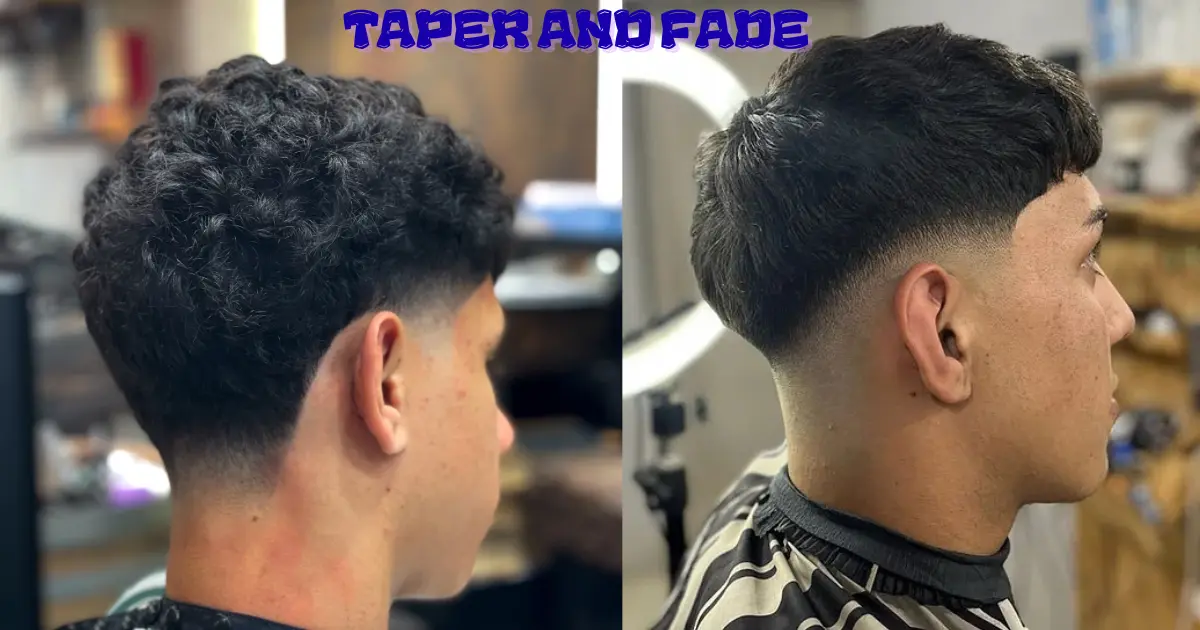
Low Fade vs Taper Fade: Complete Comparison Guide

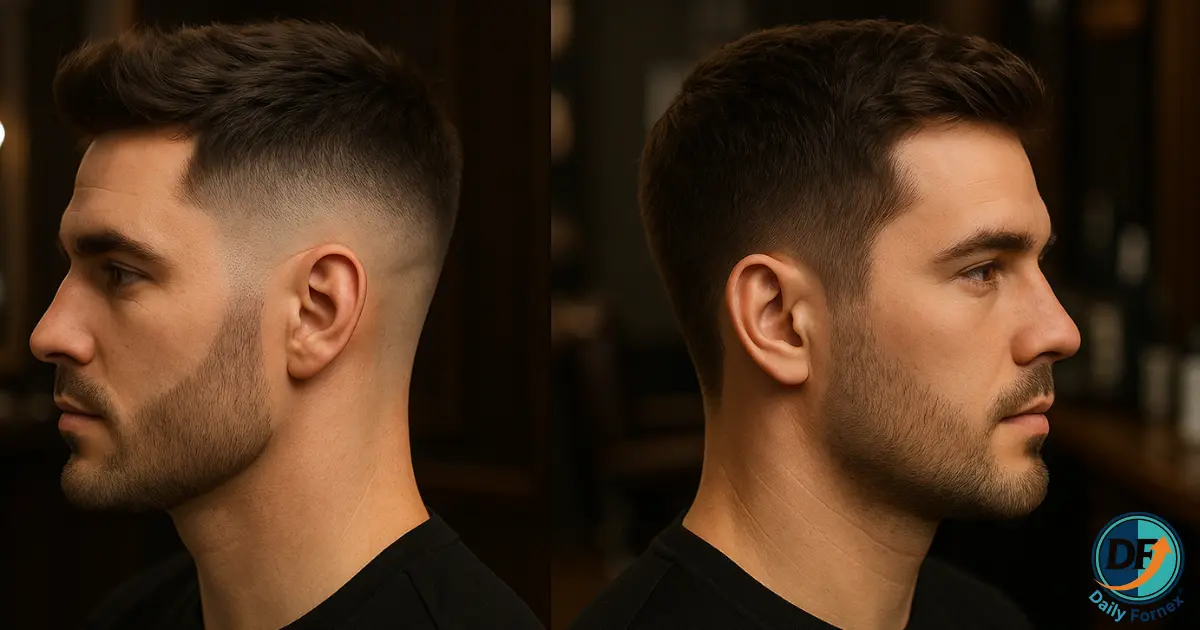
Low fade vs taper fade represents the fundamental choice between cuts that fade completely to skin (low fades) versus cuts that taper gradually without reaching skin (taper fades). After 15 years cutting both styles, I’ve learned that low fades create sharp contrast requiring touch-ups every 1-2 weeks, while taper fades deliver subtle definition lasting 3-4 weeks. This single decision affects your appearance, maintenance commitment, and annual grooming costs by $400-1,200.
The confusion arises because the low taper fade combines both techniques, tapering hair that eventually fades to skin. But pure low fades and pure taper fades differ fundamentally in execution, maintenance, and visual impact. A 2024 barbershop survey found that 64% of professionals recommend tapers for clients wanting modern style without aggressive maintenance.
Understanding the core difference between fading to skin versus tapering to short length determines whether you’ll spend 13-17 annual barber visits (taper) or 26-52 visits (low fade).
TL;DR: Low Fade vs Taper Fade
- Low fade: Blends hair completely to bare skin, sharp contrast, 1-2 week maintenance
- Taper fade: Gradually shortens hair without reaching skin, subtle finish, 3-4 week maintenance
- Visual difference: Low fades show skin, tapers maintain short hair coverage
- Annual cost: Low fade $910-1,820, taper $455-595 (at $35/cut)
- Best for low fade: Bold styles, modern edge, frequent barber access
- Best for taper: Professional settings, lower maintenance, classic looks
What Is a Low Fade
A low fade starts just above the ear (1-2 inches above the ear’s top point) and blends hair progressively shorter until it reaches bare skin at the bottom. The fade line sits low on the head, creating contrast while maintaining conservative placement.
Your barber uses progressively smaller clipper guards (#3 down to #1, then trimmer, then bare blade or razor) to create smooth gradient transitions. The final result exposes skin at the very bottom near your sideburns and neckline.
Key characteristic: Visible skin at the bottom of the fade. This skin exposure creates the sharp, clean edges that define low fades.
The fade curves around your ear, follows your hairline, and drops along the neckline. The gradual shortening creates a gradient effect, but the endpoint always reaches bare scalp.
Low fades work with any top length. Whether you have 1 inch or 6 inches on top, the low starting point provides modern definition without dramatic high-fade contrast.
Maintenance reality: Low fades show regrowth within 5-7 days because even slight hair growth on previously bare skin becomes immediately obvious. The sharp contrast that makes fresh low fades look incredible also makes regrowth highly visible. Plan on barber visits every 1-2 weeks for consistent sharpness.
What Is a Taper Fade
A taper fade gradually shortens hair from longer on top to shorter on sides and back, but stops before reaching bare skin. The hair tapers down to approximately 1/8 to 1/4 inch at the shortest point rather than fading completely away.
Your barber creates smooth transitions between lengths, typically starting at #3 or #4 and tapering down to #1 or #0.5, but maintaining that minimal length rather than exposing scalp. The blend remains smooth and gradual.
Key characteristic: No visible skin. Taper fades maintain short hair coverage throughout, creating softer, more natural appearance than skin-exposing fades.
The taper typically starts low (similar positioning to low fades) but can begin at mid or high points depending on the variation. The technique focuses on gradual length reduction rather than dramatic skin contrast.
Taper fades suit classic gentleman’s styles, professional environments, and anyone preferring subtle definition over bold statements. The maintained length creates shadows and dimension without stark light-to-dark contrast.
Maintenance reality: Taper fades last 3-4 weeks because the retained length masks regrowth better than bare skin. Hair growing from 1/4 inch to 1/2 inch appears less dramatic than hair growing on previously bare scalp. You gain significant time between barber visits compared to low fades.
Core Differences Between Low Fade and Taper Fade
Skin Visibility
Low fade: Exposes bare skin at the bottom of the fade. The skin-level finish creates maximum contrast between your top length and the faded sides.
Taper fade: Maintains short hair coverage without exposing skin. Even at the shortest point, you have minimal hair length creating softer appearance.
This represents the fundamental technical difference. If you can see scalp, it’s a fade. If you see short hair coverage, it’s a taper.
Contrast Level
Low fade: Creates sharp, high-contrast transitions. The progression from hair to bare skin produces dramatic definition that photographs well and makes clear style statements.
Taper fade: Delivers subtle, low-contrast blending. The gradual shortening without skin exposure produces refined definition suitable for conservative settings.
Low fades command attention. Taper fades convey polish without bold proclamations.
Maintenance Frequency
Low fade: Requires professional touch-ups every 1-2 weeks. The bare skin shows regrowth immediately, necessitating frequent barber visits to maintain sharp appearance.
Taper fade: Needs maintenance every 3-4 weeks. The retained length disguises regrowth, allowing significantly longer intervals between cuts.
This difference doubles or triples your annual barber visits. Low fades demand 26-52 appointments yearly, taper fades require 13-17.
Annual Cost
Low fade at $35/cut: 26-52 visits = $910-1,820 annually Taper fade at $35/cut: 13-17 visits = $455-595 annually
Add 15-20% tips and you’re looking at $1,000-2,100 for low fades versus $500-700 for tapers. Over five years, choosing low fades costs $2,500-5,000 more than tapers.
Growing Out Appearance
Low fade: Grows out unevenly with obvious contrast between areas. The bare skin becomes stubble, creating visible lines where the fade existed. Looks noticeably “grown out” by week 2.
Taper fade: Grows out gracefully with natural progression. Because you started with short hair rather than bare skin, growth appears as gradual lengthening rather than stark regrowth. Maintains neat appearance through week 3-4.
Professional Appropriateness
Low fade: Modern, fashion-forward appearance suitable for most professional settings but potentially too bold for conservative industries (law, finance, government).
Taper fade: Classic, refined look universally appropriate for all professional environments including conservative fields. The subtle finish reads as “well-groomed” rather than “trendy.”
Styling Versatility
Low fade: Works best with contemporary styles: textured crops, pompadours, slicked backs, modern quiffs. The bold sides pair with bold top styling.
Taper fade: Complements both classic and modern styles: side parts, traditional cuts, conservative business styles, and contemporary textured looks. Greater versatility across style spectrums.
Low Taper Fade: The Hybrid Option
The low taper fade combines both techniques, creating a style that tapers gradually before ultimately fading to skin. This hybrid approach offers middle-ground between pure tapers and pure low fades.
The cut starts with taper technique (gradual blending) at the mid-point, then transitions to fade technique (blending to skin) at the very bottom near sideburns and neckline. You get taper’s subtlety with fade’s clean edge definition.
Maintenance schedule: 2-3 weeks, falling between pure tapers (3-4 weeks) and pure low fades (1-2 weeks). The limited skin exposure extends time compared to full low fades, but the bare skin at bottom requires more frequent attention than pure tapers.
Visual impact: More definition than pure tapers, less aggressive than pure low fades. The hybrid approach suits clients wanting modern edge without extreme contrast.
Cost reality: $595-910 annually at $35/cut (17-26 visits), splitting the difference between taper and low fade maintenance costs.
Most barbershops default to low taper fades when clients request “tapers” or “fades” without specification. Understanding the distinction lets you request exactly what you want rather than accepting the hybrid as default.
For detailed guidance on this hybrid style, see low taper fade vs regular fade comparing these closely related variations.
Which Lasts Longer: Low Fade or Taper Fade
Taper fades last significantly longer than low fades because the maintained short hair length masks regrowth better than bare skin.
Taper fade timeline:
- Days 1-14: Peak appearance, minimal visible regrowth
- Days 15-21: Slight softening of lines, still presentable
- Days 22-28: Needs touch-up but not urgently grown out
- Beyond 28 days: Clearly needs cutting but maintains general shape
Low fade timeline:
- Days 1-7: Peak appearance, sharp definition
- Days 8-10: Visible regrowth appearing as stubble on previously bare skin
- Days 11-14: Obviously grown out, needs immediate attention
- Beyond 14 days: Lost the fade’s defining characteristic
The bare skin in low fades creates maximum contrast when fresh but also maximum visibility when growing. Even 3-4 days of growth on previously bare scalp shows dramatically.
Taper fades starting at short length (rather than bare skin) mean growth from 1/4 inch to 1/2 inch appears less obvious than growth from 0 to 1/4 inch. The doubling effect matters less than the addition effect.
Practical difference: Taper fades potentially extend two weeks longer between necessary barber visits compared to low fades. This doubling of time between cuts significantly impacts both scheduling convenience and annual costs.
For clients traveling frequently, working irregular schedules, or living far from quality barbershops, taper fades’ extended longevity provides substantial practical advantages over low fades.
Choosing Low Fade vs Taper Fade by Face Shape
Face shape influences which option creates the most flattering proportions and visual balance.
Round faces: Both work, but low fades provide slightly more definition that can help elongate. The sharp contrast creates vertical visual lines. Tapers work fine but deliver subtler effect.
Oval faces: Either option suits oval faces’ balanced proportions. Choose based on style preferences and maintenance willingness rather than face shape concerns.
Square faces: Taper fades often flatter square faces better because the softer blending complements rather than emphasizes angular features. Low fades’ sharp contrast can make strong jaws appear more severe.
Long faces: Tapers suit long faces better because they don’t add additional vertical emphasis. Low fades’ sharp contrast can draw eyes vertically, further elongating face appearance.
Heart-shaped faces: Both work well. Low fades add definition at the temples where heart-shaped faces narrow. Tapers provide subtler balance without sharp statements.
Diamond faces: Tapers complement strong cheekbones with soft blending. Low fades work but create additional angular lines that may emphasize rather than balance diamond shapes.
When uncertain about face shape impact, start with tapers. The subtle finish suits most shapes, and you can always transition to low fades after experiencing taper maintenance reality.
Hair Texture Considerations
Hair texture significantly affects which option delivers better results and manageability.
Straight hair: Both work excellently. Low fades create crisp, clean lines that straight hair showcases beautifully. Tapers provide refined definition without aggressive contrast.
Wavy hair: Tapers often work better because the natural wave pattern softens and complements gradual blending. Low fades work but create stark contrast against wavy texture that may appear harsh.
Curly hair: Tapers excel with curly hair because the retained length works with curl pattern rather than against it. Low fades risk too much contrast between tight curls on top and bare skin on sides. The curl pattern also masks taper regrowth exceptionally well, extending time between cuts to 4-5 weeks.
Coily/kinky hair: Tapers typically suit coily textures better because the gradual blending complements natural hair behavior. Low fades work but require careful execution to avoid razor bumps and ingrown hairs from cutting too close to skin.
Fine/thin hair: Tapers maintain more visual fullness because the retained length creates coverage. Low fades may remove too much hair, potentially making thin hair appear even thinner.
Thick/dense hair: Both options work well. Low fades remove significant bulk, creating welcome contrast. Tapers maintain structure while managing thickness.
For specialized texture guidance, consult your barber about which technique best serves your specific hair characteristics and natural growth patterns.
Maintenance Schedule Comparison
Understanding realistic maintenance commitments prevents disappointment and helps budget time and money appropriately.
Low Fade Maintenance
Professional cuts: Every 1-2 weeks At-home edge cleanup: Every 3-4 days around neckline and sideburns Annual barber visits: 26-52 appointments Annual cost at $35/cut: $910-1,820 Total with 18% tips: $1,075-2,148
Weekly routine:
- Days 1-5: Style normally, fade looks sharp
- Days 6-7: Clean up visible neck fuzz with trimmer
- Days 8-10: Book next appointment, fade showing obvious growth
- Days 11-14: At barbershop for fresh cut
Taper Fade Maintenance
Professional cuts: Every 3-4 weeks At-home edge cleanup: Weekly neckline touch-up for neat appearance Annual barber visits: 13-17 appointments Annual cost at $35/cut: $455-595 Total with 18% tips: $537-702
Weekly routine:
- Week 1: Style normally, taper looks excellent
- Week 2: Style normally, slight softening but still sharp
- Week 3: Weekly neck cleanup, taper holding well
- Week 4: Book appointment, taper needs refresh
The maintenance difference represents 13-35 fewer annual barber visits for tapers compared to low fades. This time savings adds up to 13-35 hours annually (at 1 hour per visit including travel).
For busy professionals, parents, or anyone with limited free time, taper fades’ reduced maintenance frequency provides substantial lifestyle advantages beyond just cost savings.
For comprehensive maintenance guidance, see maintaining your low taper fade covering products, techniques, and schedules.
Professional Environment Considerations
Professional settings influence which option suits your career context and industry norms.
Conservative industries (law, finance, government, healthcare): Taper fades universally accepted as professional and appropriate. Low fades may work but risk appearing too trendy or informal for traditional conservative environments.
Creative industries (design, tech, media, entertainment): Either option works. Low fades make bolder statements suiting creative fields. Tapers provide polish without limiting expression.
Corporate business (general office, management, consulting): Both acceptable in most modern corporate environments. Tapers read as more traditional, low fades as contemporary. Choose based on company culture.
Client-facing roles: Tapers often safer choice because they suit all client demographics and preferences. Low fades work but may not appeal to older or conservative clients.
Trades and physical labor: Either works. Consider that low fades require more frequent barbershop visits which may conflict with work schedules. Tapers’ extended longevity suits busy trade schedules better.
Education (teachers, professors): Tapers generally more appropriate for educational settings. Low fades acceptable in most schools but may raise concerns in very traditional institutions.
When uncertain about workplace appropriateness, choose tapers. You can always transition to low fades if your environment proves more accepting than anticipated, but starting too bold may create uncomfortable situations.
Cost Analysis Over Time
Long-term cost differences between low fades and taper fades become substantial when calculated across multiple years.
1-Year Costs:
Low fade: 26-52 cuts × $35 = $910-1,820 Add 18% tips: $1,075-2,148
Taper fade: 13-17 cuts × $35 = $455-595 Add 18% tips: $537-702
Annual difference: $538-1,446 savings with tapers
5-Year Costs:
Low fade: $5,375-10,740 Taper fade: $2,685-3,510
Five-year difference: $2,690-7,230 savings with tapers
10-Year Costs:
Low fade: $10,750-21,480 Taper fade: $5,370-7,020
Ten-year difference: $5,380-14,460 savings with tapers
These calculations assume consistent $35/cut pricing. Premium barbers charging $50-75 per cut amplify these differences significantly. A $50 low fade totals $15,300-30,600 over 10 years versus $7,650-10,200 for tapers.
The grooming budget difference between low fades and taper fades could fund vacation trips, investment contributions, or other priorities. Factor these real costs into your decision rather than choosing based solely on fresh-cut appearance.
Additional costs: Products (pomades, clays, sprays) cost similar amounts for both styles, approximately $15-30 monthly. The primary cost difference comes from cut frequency rather than styling product needs.
Transitioning Between Low Fade and Taper Fade
Switching between these styles requires different timelines depending on direction.
From Taper to Low Fade
Timeline: Immediate, accomplished in single barber visit
Your barber simply takes the existing taper shorter, blending down to skin rather than stopping at short length. The transition happens instantly because you’re removing length rather than growing it.
Considerations: Once you go to low fade, expect the increased maintenance schedule immediately. Book your next appointment for 1-2 weeks out rather than your previous 3-4 week schedule.
From Low Fade to Taper
Timeline: 2-3 appointments over 6-8 weeks
You must grow the sides out from bare skin to short length before establishing a taper. This requires skipping or extending low fade appointments, tolerating grown-out appearance temporarily.
Transition strategy:
- First appointment (week 2-3): Let low fade grow out 2-3 weeks
- Second appointment: Barber establishes initial taper without going to skin
- Third appointment (3-4 weeks later): Refine taper, fully transitioned
The awkward middle phase where you’re neither fresh low fade nor established taper represents the challenge. Plan transitions during periods when appearance matters less (holidays, vacations, slower work seasons).
Trying Both
Many clients alternate between low fades and tapers seasonally or based on life circumstances:
Summer: Low fades for cooler sides, sharper appearance for warm weather Winter: Tapers for fuller coverage, less frequent cold-weather barber visits Busy periods: Tapers when time-poor, can’t accommodate frequent appointments Special events: Low fades when wanting maximum sharp appearance for important occasions
Alternating lets you enjoy benefits of both while avoiding commitment to either’s full-time maintenance demands.
Common Mistakes When Choosing
Choosing low fades without considering maintenance reality: The most frequent error involves selecting low fades for their fresh-cut appearance without budgeting the weekly or bi-weekly barber visits required for maintenance. Low fades look incredible day 1-5, then deteriorate rapidly.
Start with tapers to evaluate your actual maintenance willingness. After experiencing the 3-4 week schedule, decide if you want to double or triple visit frequency for low fades.
Ignoring profession-specific norms: Choosing low fades in conservative industries or taper fades in creative fields where bolder styles suit the environment better. Match your cut to your actual professional context.
Focusing only on fresh-cut appearance: Both styles look excellent fresh from the barber. The critical difference emerges days 7-14 when low fades show obvious regrowth while tapers maintain neat appearance.
Not communicating clearly with barber: Saying “fade” when you mean “taper” or vice versa leads to receiving the wrong cut. Use specific terminology: “low fade that goes to skin” versus “taper fade that doesn’t show skin.”
Selecting based on others’ hair: What works for your friend’s straight, thick hair may not suit your curly, fine texture. Choose based on your specific hair characteristics rather than copying others.
Underestimating cost impact: The annual $400-1,200 difference matters. Budget realistic grooming costs before committing to low fades’ frequent maintenance rather than discovering the expense after several months.
Not trying tapers first: Start with tapers as your baseline. You can always increase frequency and add skin fading later, but you can’t reduce maintenance commitment after getting used to low fades’ sharp appearance.
Taper Fade Variations
Taper fades come in multiple heights, each creating different visual impact and maintenance schedules.
Low taper fade: Starts above the ear, similar positioning to low fades but without skin exposure. Lasts 3-4 weeks, suits most face shapes and professional settings.
Mid taper fade: Begins at temple level, provides balanced definition between low and high variations. Lasts 2-3 weeks, versatile for various styles.
High taper fade: Starts near crown, creates dramatic contrast. Lasts 2-3 weeks, suits bold styling and younger demographics.
All taper variations maintain short hair coverage without exposing skin, distinguishing them from their fade counterparts that blend to bare scalp.
The height variation changes maintenance frequency slightly (high tapers need more frequent attention than low tapers) but all taper variations last longer than equivalent fade variations due to retained length masking regrowth.
Low Fade Variations
Low fades also come in customization options affecting appearance and maintenance.
Low skin fade: Blends completely to bare skin using razors or bare blades for smoothest possible finish. Maximum contrast, requires most frequent maintenance (every 1-2 weeks).
Low 0.5 fade: Fades down to 0.5 guard (#0.5 clipper guard, approximately 1/16 inch). Slightly less contrast than skin fades, marginally longer wear (1-2 weeks still, possibly stretching to 10-12 days).
Low 1 fade: Fades to #1 guard (1/8 inch). Least contrast among low fade options, longest wear within low fade category (2 weeks possible). Creates bridge between low fades and taper fades.
The lower you go (skin being lowest), the sharper the contrast and more frequent the required maintenance. Clients seeking low fade appearance with slightly reduced maintenance might choose low 1 fade as compromise option.
Conclusion
Low fade vs taper fade fundamentally differs in whether hair fades to bare skin (low fade) or tapers to short length without skin exposure (taper fade). Low fades create sharp contrast requiring barber visits every 1-2 weeks and costing $910-1,820 annually, while taper fades deliver subtle definition lasting 3-4 weeks and costing $455-595 yearly. This choice determines both your appearance and your grooming budget, with tapers potentially saving $5,000-14,000 over 10 years compared to low fades.
Taper fades suit professional environments, busy schedules, budget-conscious grooming, and anyone preferring classic refined appearance over bold modern statements. Low fades work for trend-focused individuals, those with easy barber access, and clients wanting maximum contrast and definition willing to commit to frequent maintenance.
The hybrid low taper fade offers middle ground, combining taper’s gradual blending with limited skin exposure at the very bottom. This compromise provides moderate definition with moderate maintenance (2-3 weeks, $595-910 annually).
Rather than choosing based solely on fresh-cut appearance, consider your maintenance willingness, professional requirements, budget constraints, and lifestyle realities. Both deliver excellent results when chosen appropriately for your specific circumstances. For alternative fade options with different characteristics, explore the drop fade offering unique curved shaping and maintenance schedules.
Frequently Asked Questions
What’s the main difference between low fade and taper fade?
Low fades blend hair completely down to bare skin creating sharp contrast and maximum definition, while taper fades gradually shorten hair without reaching skin, maintaining short coverage at the shortest point. The presence or absence of visible skin represents the fundamental technical difference determining appearance, maintenance frequency, and overall styling.
Which lasts longer between barber visits, low fade or taper fade?
Taper fades last significantly longer at 3-4 weeks between appointments, while low fades require touch-ups every 1-2 weeks. The taper’s retained short hair length masks regrowth better than low fade’s bare skin, which shows even slight stubble growth immediately. This difference doubles or triples annual barber visits.
How much more does low fade maintenance cost than taper fade?
Low fades cost $910-1,820 annually (26-52 visits at $35/cut) versus tapers at $455-595 annually (13-17 visits at $35/cut). This $455-1,225 annual difference compounds to $2,275-6,125 over five years and $4,550-12,250 over 10 years, making tapers significantly more economical long-term.
Can you combine low fade and taper fade techniques?
Yes, the low taper fade hybrid combines both approaches by tapering hair gradually before ultimately fading to skin at the very bottom near sideburns and neckline. This middle-ground option provides moderate definition with moderate maintenance requirements (2-3 weeks, $595-910 annually), splitting the difference between pure tapers and pure low fades.
Which is more professional for work, low fade or taper fade?
Taper fades are universally appropriate for all professional settings including conservative industries like law, finance, and government. Low fades suit most modern workplaces but may appear too bold or trendy for traditional conservative environments. When uncertain about workplace appropriateness, tapers represent the safer professional choice.
Do low fades or taper fades work better with curly hair?
Taper fades typically work better with curly hair because the retained length complements natural curl patterns and masks regrowth exceptionally well, potentially extending maintenance to 4-5 weeks. Low fades create stark contrast between tight curls on top and bare sides that may appear harsh, though they work when executed carefully with proper products to prevent irritation.
How do I tell my barber I want taper fade not low fade?
Be specific: say “taper fade that doesn’t go to skin” or “taper fade that maintains short hair coverage.” Explain you want gradual blending without bare skin exposure. Alternatively, specify “taper fade stopping at #1 guard” to indicate retained length. Bringing reference photos showing short hair coverage rather than skin also clarifies your preference.
Can you switch from low fade to taper fade easily?
Transitioning from low fade to taper requires 2-3 appointments over 6-8 weeks because you must grow sides from bare skin to short length before establishing a taper. This involves tolerating temporarily grown-out appearance. Conversely, switching from taper to low fade happens immediately in one visit by taking existing taper shorter to skin.
Which grows out better looking, low fade or taper fade?
Taper fades grow out more gracefully because hair lengthening from 1/4 inch to 1/2 inch appears as natural progression. Low fades grow out obviously as bare skin becomes stubble, creating visible contrast lines showing where the fade existed. Tapers maintain neat appearance through weeks 3-4, while low fades look grown out by week 2.
Are low fades or taper fades better for round faces?
Both work for round faces, but low fades provide slightly more definition that can help elongate face appearance. The sharp skin contrast creates vertical visual lines drawing eyes upward. Taper fades suit round faces perfectly well with subtler effect. Choose based on maintenance willingness and style preferences rather than face shape alone.
Should beginners start with low fade or taper fade?
Beginners should start with taper fades to establish baseline maintenance expectations and grooming routines. The 3-4 week schedule allows evaluation of commitment willingness before potentially increasing frequency. Starting with low fades commits you to weekly or bi-weekly visits immediately without understanding what reduced frequency feels like. You can always increase maintenance later; reducing it after adapting to sharp low fades proves harder.
Do low fades or taper fades work better with thick hair?
Both work excellently with thick hair. Low fades remove significant bulk creating dramatic contrast and reducing overall volume, which thick-haired individuals often appreciate. Taper fades maintain more hair providing natural fullness while still creating definition. Choose based on desired contrast level and maintenance willingness rather than thickness alone; both deliver solid results with thick hair.