Taper and Fade Explained: The Complete 2026 Guide for Men

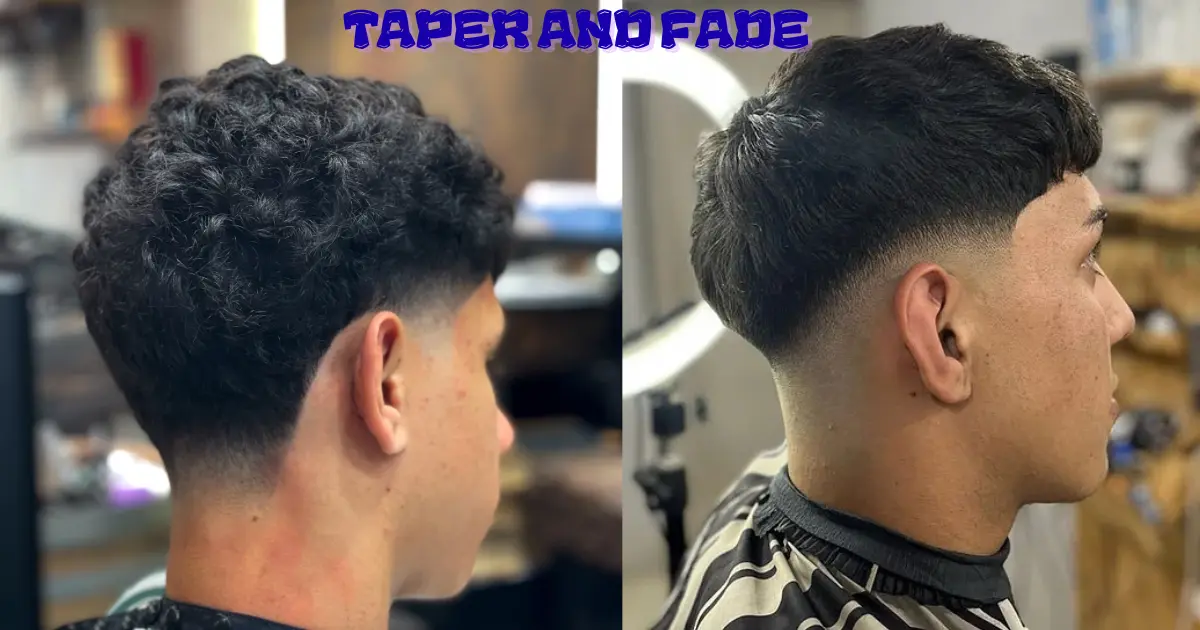
After cutting hair for over 15 years, I’ve lost count of how many guys sit in my chair and ask for a “taper and fade” without fully understanding what either term actually means. That confusion leads to disappointing haircuts and wasted time. Both taper and fade haircuts rank among the most requested styles in barbershops across the US in 2026, but they create distinctly different looks that suit different lifestyles, hair types, and personal styles.
TL;DR
- Taper haircuts gradually shorten hair near the sideburns and neckline while keeping more length overall, ideal for professional, low-maintenance looks
- Fade haircuts blend hair dramatically down to the skin with high contrast, perfect for bold, modern styles that need frequent touch-ups
- The main difference lies in contrast level and placement: tapers are subtle and conservative; fades are sharp and eye-catching
- 2026’s most popular choice: Low and mid taper fades that balance professionalism with style
- You’ll learn exactly how to ask your barber, choose the right variation for your face shape, and maintain your cut properly
What's the Actual Difference Between Taper and Fade?
A taper haircut gradually reduces hair length as it moves down the sides and back of your head, but it never goes down to the skin. The transition starts around the sideburns and continues to the neckline, maintaining a subtle, natural appearance. Think of it as a gentle slope rather than a cliff.
The technique preserves some length throughout, which makes tapers work well in conservative settings like corporate offices or formal events. Your hair might go from 2 inches on top down to half an inch at the bottom, creating a clean finish without dramatic contrast.
A fade haircut takes that gradual shortening and amplifies it significantly. Fades blend hair down to the skin, often using a razor or zero-guard clippers to create that “bald” or “skin” effect at the bottom. The transition happens more abruptly, generating sharp, high-contrast edges that draw attention.
Fades typically start higher on the head than tapers. A low fade might begin just above the ear, while a high fade can start 2 to 3 inches above the temple. This placement creates the bold, modern aesthetic that’s exploded in popularity over the past decade.
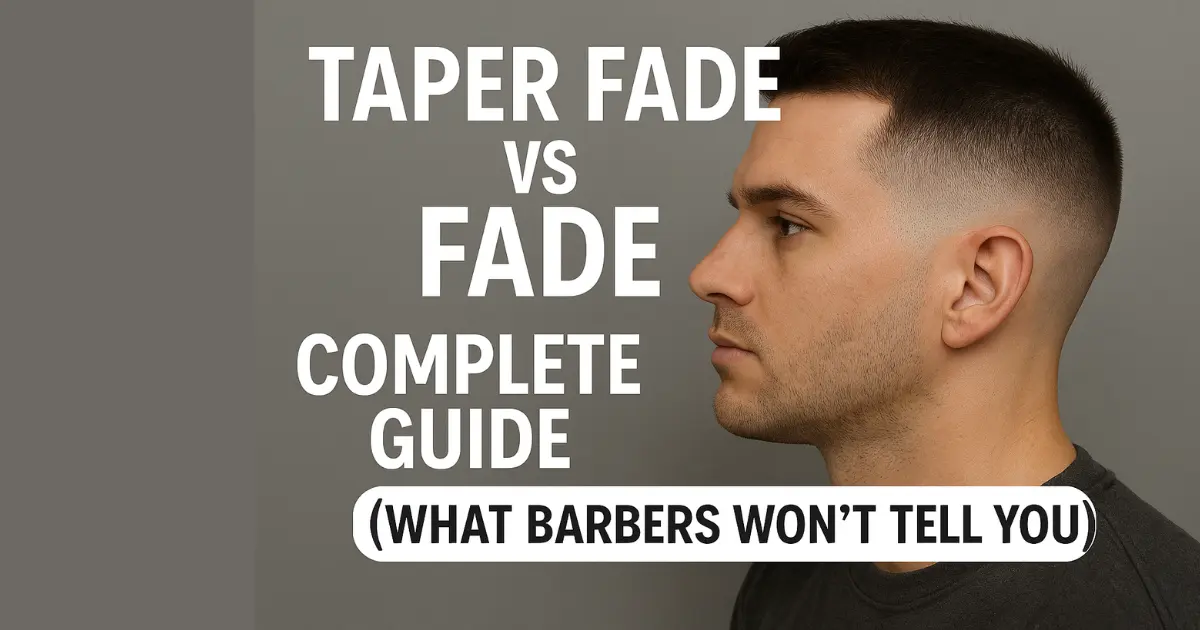
For a detailed breakdown of how the taper fade versus standard fade compares across different styling scenarios, check out our comprehensive comparison.
The blending technique differs too. Barbers create tapers by using multiple clipper guards and scissors to achieve smooth transitions. Fades require more precision work with clipper-over-comb techniques and careful guard manipulation to nail that seamless skin blend.
Why 2026 Has Made Taper and Fade Haircuts Essential
Social media platforms, particularly TikTok and Instagram, have turned these haircuts into cultural phenomena. You’ll spot low taper fades on everyone from NBA players to tech executives in Silicon Valley. The style has transcended subcultures to become genuinely universal.
Celebrity influence drives this trend hard. Athletes like LeBron James and Patrick Mahomes regularly showcase fresh fades, while actors like Michael B. Jordan and Timothée Chalamet favor clean tapers for red carpet events. These high-profile examples make both styles aspirational and accessible.
The versatility factor matters too. Modern workplaces have relaxed grooming standards, allowing more guys to experiment with bolder cuts. A mid taper fade works for Monday morning presentations and Saturday night events without feeling out of place in either setting.
Barbershop culture has evolved. The rise of appointment-based, premium barbershops over walk-in chains means more guys invest in quality cuts. They’re willing to pay $40 to $65 for a skilled barber who can execute precise fades and tapers rather than settling for a basic trim.
Types of Tapers and Fades You Need to Know
Low Taper/Low Fade
The low taper keeps the transition very close to the natural hairline, starting just above the ear and following the curve to the nape. It’s the most conservative option, growing out gracefully over 3 to 4 weeks without looking unkempt.
A low fade follows the same placement but cuts down to skin at the bottom. This creates subtle contrast that works well for guys who want modern style without bold statements. Both low fade and taper fade variations offer professional versatility.
Mid Taper/Mid Fade
The mid taper starts around the temple area, roughly halfway up the sides of your head. This balanced approach suits most face shapes and provides enough contrast to look sharp without seeming aggressive. The mid taper fade has become the default choice for guys who want that “just got it cut” look.
Mid fades follow similar placement but blend more dramatically to skin. They require touch-ups every 2 to 3 weeks to maintain clean lines, but the payoff is a consistently polished appearance.
High Taper/High Fade
High tapers start 2 to 3 inches above the ear, creating significant contrast between the top and sides. This works best for guys with thick hair who want to remove bulk while keeping a refined finish.
High fades make bold statements. They start well above the temple and can create almost an undercut effect without the harsh disconnection. This style suits younger guys or those in creative industries where standing out matters.
Drop Fade and Burst Fade
These specialty fades add curves and contours. A drop fade option follows the natural curve behind the ear and drops down toward the nape, enhancing your head shape. Burst fades create a semi-circular fade around the ear, often paired with mohawk or faux hawk styles.
Both options show your barber’s technical skill and add visual interest that standard fades can’t match.
Step-by-Step: How to Ask Your Barber for What You Actually Want
Bringing reference photos eliminates 90% of miscommunication. Save 3 to 4 images showing your desired style from different angles. Screenshot Instagram posts, save Pinterest pins, or use your barber’s portfolio photos. Show these immediately when you sit down.
Specify your fade level clearly. Say “I want a low taper fade starting just above the ear” or “Give me a mid fade that begins at the temple.” Vague requests like “fade it on the sides” leave too much interpretation.
Mention clipper guard numbers if you know them. A #3 guard (3/8 inch) on the sides blending to a #1 (1/8 inch) at the bottom gives your barber exact starting points. Most taper fades use guards between #1 and #4 on the sides.
Ask about specific details that matter to you. Do you want a squared or rounded neckline? Should your sideburns stay or get shortened? How much length do you want left on top? These questions show you understand the cut and help your barber deliver exactly what you envision.
Communicate your styling plans. If you slick your hair back daily, your barber needs to know to leave enough length on top. If you prefer messy, textured styles, they can add layers for movement.
Request their professional opinion. Say “Based on my face shape and hair type, would you recommend any adjustments?” Good barbers spot issues you might miss and can tweak your vision to work better with your features.
Choosing Based on Hair Type and Face Shape
Thick Hair
Fades work exceptionally well for thick hair because they remove bulk from the sides and back. A high or mid fade prevents that mushroom effect where thick hair puffs out at ear level. The sharp taper creates structure and makes your hair more manageable.
Thick hair also grows faster, so fades need more frequent maintenance. Budget for touch-ups every 10 to 14 days if you want that crisp look consistently.
Fine or Thin Hair
Tapers suit fine hair better because they preserve density. Fading down to skin can expose too much scalp and make thinning more obvious. A low taper maintains coverage while still looking clean and intentional.
Ask your barber about texturizing techniques on top. Point cutting or razor cutting creates the illusion of fuller hair when paired with a subtle taper.
Curly or Textured Hair
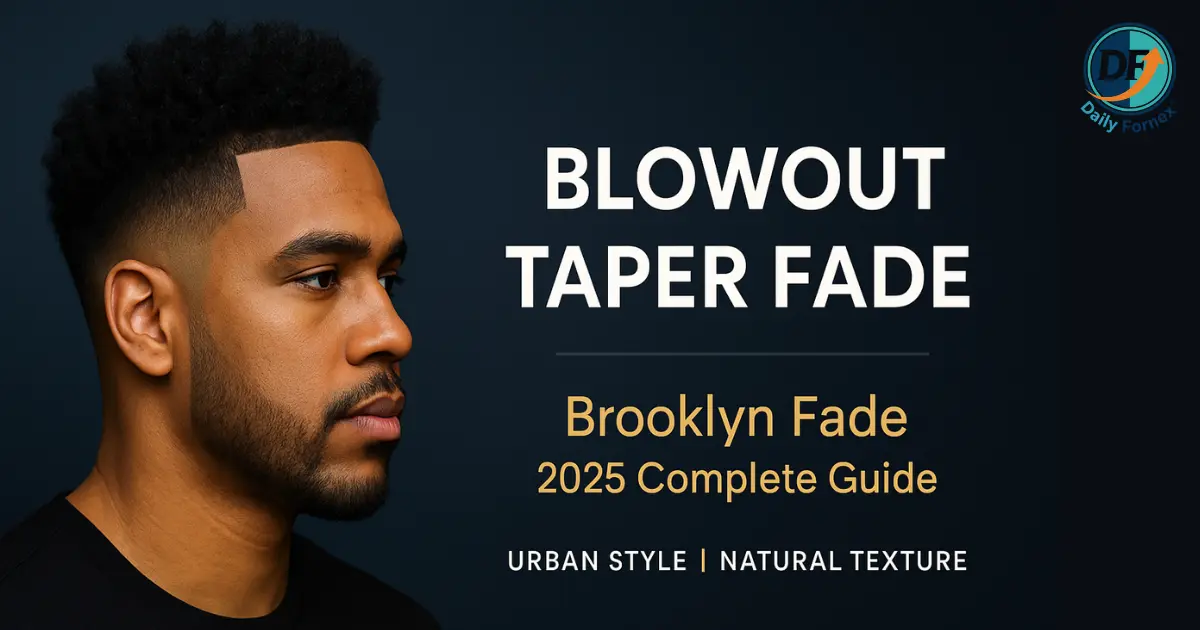
Both styles work beautifully with curly hair, but approach and technique differ. For taper fades for curly hair, barbers often use higher guard numbers to avoid cutting too short, which can cause coils to shrink up awkwardly.
Fades on curly hair require skilled barbers who understand how texture behaves. The contrast between tight curls on top and clean fades on the sides creates striking visual impact that’s dominated 2026 trends.
Face Shape Considerations
Oval faces handle any taper or fade variation. You have natural balance that allows experimentation without concern.
Round faces benefit from mid or high fades that add vertical lines and elongate your appearance. Avoid super low tapers that can make your face look wider.
Square or angular faces look great with subtle tapers that soften sharp jawlines. Low tapers maintain that masculine structure without exaggerating it.
Long or rectangular faces should stick with low to mid options that don’t add unnecessary height. You want horizontal balance, not more vertical emphasis.
Maintenance Requirements and Realistic Expectations
Taper Haircuts
Tapers grow out gracefully over 3 to 4 weeks before needing professional touch-ups. The subtle transition means you won’t develop harsh lines or awkward growth patterns. Many guys stretch tapers to 5 to 6 weeks if they’re comfortable with slightly longer sides.
At-home maintenance is minimal. A simple neckline cleanup with clippers every 10 to 14 days keeps the back looking neat between appointments.
Fade Haircuts
Fades demand commitment. The sharp contrast that makes them attractive disappears quickly as hair grows. Most fades need professional touch-ups every 2 to 3 weeks to maintain clean edges and proper blending.
High fades require even more frequent visits. That dramatic skin-to-length transition becomes fuzzy and undefined within 10 to 12 days for fast-growing hair.
Budget accordingly. If you’re getting fades every 2 weeks at $45 to $55 per cut, that’s $900 to $1,100 annually on haircuts alone. Tapers might cost $650 to $750 for the same period.
DIY maintenance helps extend time between appointments. Invest in decent clippers ($50 to $100) and learn to clean up your neckline and edges. YouTube tutorials make this easier than you’d think, but don’t attempt full fades at home unless you’re truly committed to learning. For guidance on keeping your style sharp, explore proper maintenance techniques.
Common Mistakes to Avoid
Confusing Terminology
The biggest mistake is asking for a “taper fade” without specifying low, mid, or high. Barbers interpret this differently. One might give you a low taper while another delivers a mid fade. Be specific about placement and intensity.
Unrealistic Growth Expectations
Guys see fresh fade photos on Instagram and expect that crispness to last 4 to 6 weeks. It won’t. If you’re not willing to commit to 2 to 3 week touch-ups, choose a taper instead. Faded cuts look great fresh but mediocre when grown out.
Ignoring Your Lifestyle
Corporate jobs with strict grooming policies may not welcome high fades or dramatic contrasts. If you’re interviewing for conservative industries, stick with low tapers that signal professionalism. Save bolder styles for industries where creativity is valued.
Skipping Product and Styling
Both tapers and fades work best when the top is styled properly. Don’t get a precision fade on the sides and then ignore your hair on top. Invest in basic styling products like matte clay, light pomade, or texturizing spray to complete the look.
Choosing Based on Trends Alone
Just because burst fade and drop fade variations are trending doesn’t mean they suit your features or lifestyle. Choose what actually works for you rather than chasing whatever’s hot on TikTok this month.
Professional Tips for Styling and Product Use
For Tapers
Light-hold products work best because tapers create natural, subtle looks. A dime-sized amount of matte clay or styling cream provides enough hold without making hair look stiff or overworked.
Blow-drying adds volume and structure. Apply product to damp hair, blow-dry using medium heat while directing hair upward and back, then finish with your hands for texture.
For Fades
The contrast between faded sides and longer top demands more dramatic styling. Use medium to high-hold products like pomade or styling paste to create defined styles that match the boldness of your fade.
Clean edges matter. Many barbers offer lineup services where they sharpen your hairline with a razor or trimmer. This detail work complements fades perfectly and adds polish.
Consider texture sprays or sea salt sprays for messy, modern looks. These products work especially well with mid and high fades where you want contrast between structured sides and textured, moveable tops.
Making Your Final Decision
Choose a taper if you want low maintenance, professional versatility, and natural-looking results that grow out gracefully. Tapers suit conservative workplaces, guys with limited grooming budgets, and anyone who values classic style over trendy statements.
Choose a fade if you’re willing to invest time and money in frequent touch-ups, work in creative or casual industries, and want that sharp, modern aesthetic that turns heads. Fades suit guys who view grooming as a priority and don’t mind the upkeep required.
Many guys in 2026 are splitting the difference with low or mid taper fades that offer elements of both. These hybrid styles provide enough contrast to look current without demanding the extreme maintenance of skin fades or the conservatism of full tapers.
Test both if you’re unsure. Start with a low taper for your first cut. If it feels too subtle, step up to a low fade next time. Gradually increase the intensity until you find your sweet spot.
Talk with your barber honestly about your lifestyle, budget, and styling ability. They’ve seen hundreds of guys with your hair type and face shape. Trust their expertise while maintaining clear communication about your preferences and concerns.
Both taper and fade haircuts have earned their place as grooming essentials because they work. One prioritizes subtlety and ease while the other chooses boldness and drama. Neither is objectively better; they serve different purposes for different guys. Understanding what each delivers helps you choose the cut that actually fits your life rather than just looking good in photos.
FAQ: Taper and Fade Haircuts
What is the main difference between a taper and a fade?
A taper gradually shortens hair near the hairline but never goes to skin, maintaining length throughout for a subtle look. A fade blends hair dramatically down to the skin, creating high contrast and sharp edges that require more maintenance.
How much does a taper fade cost in 2026?
Taper fades typically cost $40 to $65 at professional barbershops, with prices varying by location and barber experience. Premium shops in major cities may charge $65 to $95, while smaller towns average $35 to $50 for the same service.
Which lasts longer: taper or fade?
Tapers last 3 to 4 weeks before needing touch-ups and can stretch to 5 to 6 weeks if you’re comfortable with more length. Fades require professional maintenance every 2 to 3 weeks because the sharp skin contrast becomes fuzzy as hair grows.
What face shape works best with a taper fade?
Oval faces suit any variation. Round faces benefit from mid or high fades that add vertical lines. Square faces look great with low tapers that soften angular features. Long faces should avoid high fades that add unnecessary height.
Can I do a taper fade at home?
Basic taper maintenance is possible at home with quality clippers and practice, particularly neckline cleanups and edge work. Full fades require professional skill because the blending technique and skin-close work demand years of training to execute properly.
What's better for thick hair: taper or fade?
Fades work better for thick hair because they remove bulk from sides and back, preventing the mushroom effect. High or mid fades create structure and make thick hair more manageable while highlighting density on top.
How do I ask my barber for a taper fade?
Specify the level (low, mid, or high), show reference photos from multiple angles, mention clipper guard numbers if known, and describe how you plan to style the top. Clear communication like “low taper fade starting just above the ear” eliminates confusion.
Do taper fades work for curly hair?
Yes, both styles work excellently with curly hair when executed by skilled barbers who understand texture. The contrast between tight curls on top and clean fades on sides creates striking looks that have dominated grooming trends in 2026.
What's the most popular taper fade style in 2026?
Low and mid taper fades dominate 2026 trends because they balance professional appropriateness with modern style. These variations work in corporate settings while still looking fresh and current for social situations.
How often should I get a taper fade trimmed?
Fades need touch-ups every 2 to 3 weeks to maintain clean lines and proper blending. Tapers can go 3 to 4 weeks between cuts and often stretch to 5 to 6 weeks before looking unkempt.
What products should I use to style a taper fade?
For tapers, use light-hold matte clay or styling cream. For fades, choose medium to high-hold pomade or paste that matches the boldness of your cut. Texture sprays and sea salt sprays work well for messy, modern looks.
Can I switch between taper and fade styles?
Yes, you can switch freely between styles as hair grows out. Starting with a taper and gradually moving to a fade helps you find your preferred level of contrast and maintenance commitment.