
How to Maintain Mid Taper Fade: Complete 2025 Guide with Schedule & Products


Your mid taper fade haircut looks incredible fresh from the barber chair—crisp edges, smooth gradient, perfectly balanced contrast. But here’s the reality: that sharpness starts fading within days as hair grows. Keeping your mid taper fade looking fresh requires consistent maintenance, the right products, and a realistic schedule that balances professional visits with home upkeep.
TL;DR:
- Professional Touch-Ups: Every 2-3 weeks for optimal sharpness
- Home Maintenance: Edge cleanup every 7-10 days extends freshness
- Washing Schedule: 2-3 times per week prevents dryness while managing oil
- Essential Products: Matte clay, styling cream, quality trimmers, boar bristle brush
- Cost Management: $340-$680 annually depending on barber visit frequency
- Key Factor: Hair growth rate (0.5 inches/month average) determines schedule
Understanding Mid Taper Fade Maintenance Requirements
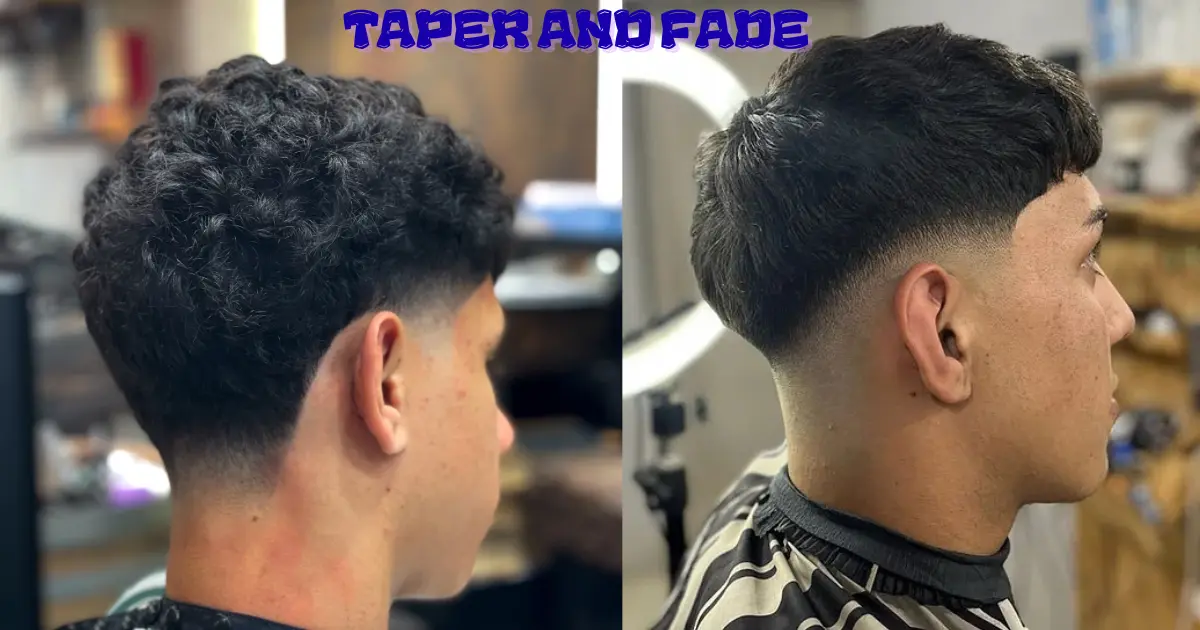
The mid taper fade sits between subtle low taper fades and dramatic high taper fades, starting at temple level and blending gradually toward the neckline. This mid-height placement affects how quickly the fade appears grown out.
Why Mid Taper Fades Need Regular Maintenance:
The fade’s precision is its appeal—and its maintenance challenge. Hair grows roughly 0.5 inches per month (0.125 inches per week). After 10-14 days, new growth at the temple area becomes visible enough to blur the fade line. The mid taper shows growth faster than low fades but more gradually than high fades, giving you a 2-3 week window before sharpness noticeably diminishes.
Unlike traditional haircuts where growth looks relatively even, fades create intentional contrast. When the short sections grow out, they visually clash with longer sections, making the entire cut look less defined. The gradient that took your barber 35-50 minutes to create can appear messy within weeks without proper care.
Factors Affecting Maintenance Frequency:
Hair Growth Speed: Fast growers (0.6+ inches monthly) need weekly edge cleanups. Slow growers (0.4 inches monthly) can extend to 3-4 weeks between full cuts.
Hair Color Contrast: Dark hair against light skin shows regrowth more obviously than lighter hair colors. Higher visual contrast demands more frequent maintenance.
Hair Texture: Straight hair displays growth lines clearly. Curly or coily hair disguises regrowth better because texture softens visible lines.
Lifestyle: Active lifestyles with daily exercise and washing cause faster style degradation. Hat wearers experience more friction that disrupts fade lines.
Professional Requirements: Corporate environments demand consistently sharp appearance. Creative or casual workplaces allow more flexibility.
Complete Mid Taper Fade Maintenance Schedule
Here’s a realistic maintenance timeline that balances professional precision with home upkeep.
Days 1-7: Fresh Cut Phase
Day 1-3: Peak sharpness. Your fade looks exactly as the barber intended—clean lines, smooth gradient, perfect contrast.
Maintenance Actions:
- Style normally with your preferred products
- Wash hair if needed (gentle shampoo)
- No trimming necessary
Styling Approach: Keep it simple. The cut does the work. Use minimal product to avoid buildup that makes hair appear longer.
Days 8-14: Maintenance Phase
Day 8-10: First visible growth appears, especially at temples and neckline. The fade still looks good but loses some crispness.
Maintenance Actions:
- Clean up neckline with trimmers following natural hairline
- Edge up around ears if comfortable with DIY
- Use matte clay or styling cream to manage texture
- Brush daily with boar bristle brush to train hair direction
Day 11-14: Growth becomes more noticeable. The fade gradient starts blurring. Temple area and sideburns need attention.
Maintenance Actions:
- Light touch-up with clippers on #0.5 or #1 guard around neckline
- Redefine temple points with edge trimmers
- Switch to matte products that disguise regrowth better than shiny pomades
- Schedule next barber appointment for day 14-21
Styling Approach: Use products with more hold. Textured, matte finishes hide uneven growth better than slick, shiny styles.
Days 15-21: Decision Point
Day 15-17: The fade clearly needs professional attention. Lines are blurred, contrast is diminished, but still wearable.
Maintenance Actions:
- Daily brushing becomes critical
- Increase styling product usage to control longer sections
- Consider wearing hats if appearance becomes too casual
- Book barber appointment immediately
Day 18-21: Maximum time before the cut looks genuinely grown out. Beyond this, you’re no longer maintaining a fade—you’re growing it out.
Maintenance Actions:
- Visit barber by day 21 maximum
- Discuss whether full fade refresh or just sides cleanup needed
- Bring reference photos of preferred sharpness level
Styling Approach: Focus on top styling since the fade has lost definition. Textured, voluminous styles distract from blurred sides.
Days 22+: Beyond Optimal Range
If you go beyond 3 weeks without a professional cut, your mid taper fade transitions from “slightly grown” to “needs attention.” The temple-level fade becomes indistinguishable from regular, non-faded hair growth.
At this point, home maintenance can’t save the fade. You need professional re-blending to restore the gradient.
Professional Barber Visits: What to Expect
Understanding what happens during maintenance visits helps you communicate effectively and get consistent results.
Full Fade Refresh vs. Touch-Up
Full Fade Refresh ($30-$75, 35-50 minutes):
- Complete rework of the fade gradient
- Top section trimmed or restyled
- Edge work around hairline, ears, neckline
- Full shampoo and styling
- Recommended every 2-3 weeks for consistent sharpness
Touch-Up/Cleanup ($20-$40, 15-25 minutes):
- Sides and back fade maintenance only
- No top section work (or minimal trimming)
- Edge cleanup
- Quick styling
- Works well if you alternate with full cuts
Many barbers offer touch-up pricing specifically for maintaining fades between full haircuts. Ask about this cost-saving option.
How to Communicate with Your Barber
First Visit Maintenance Discussion:
- “I want to keep this exact sharpness level. How often should I come back?”
- “Can you show me which areas grow out fastest so I can watch for it?”
- “Do you offer touch-up pricing between full cuts?”
- “What clipper guards did you use? I might do minor home maintenance.”
Return Visit Communication:
- “Same fade height and blend as last time”
- Show photos from your previous cut if you want exact replication
- “Just touch up the fade, keep the top length” (if doing cleanup only)
- “The fade looked perfect for 10 days, then started showing here and here” (helps barber understand your growth pattern)
Consistency Tips:
- Use the same barber for at least 3-4 cuts so they learn your hair
- Take photos after each cut to document what you like
- Be specific about satisfaction level: “I loved how it looked for two weeks” versus “It grew out too fast”
Home Maintenance: What You Can (and Can't) Do
Strategic home maintenance extends time between professional visits and keeps you looking sharp.
Essential Tools for Home Maintenance
Quality Edge Trimmer ($30-$80):
- Wahl Detailer or Andis T-Outliner for precision
- Critical for neckline and sideburn cleanup
- Smaller blade width prevents mistakes
- Cordless models offer better control
Clippers with Guards ($50-$150):
- Wahl Magic Clip or Oster Fast Feed for home touch-ups
- Only if you’re confident with technique
- Guards #0.5, #1, #1.5, #2 needed for mid taper work
- Adjustable lever for fine-tuning between guard sizes
Mirrors:
- Handheld mirror for back-of-head visibility
- Three-way mirror setup ideal for home maintenance
- Smartphone camera for checking your work
Boar Bristle Brush ($15-$40):
- Trains hair growth direction
- Distributes natural oils
- Makes fade appear smoother between cuts
- Use daily for best results
Safe Home Maintenance Techniques
What You CAN Do Safely:
Neckline Cleanup (every 7-10 days):
- Follow your natural hairline shape
- Use trimmer, not clippers
- Go slowly, check frequently with handheld mirror
- Remove stray hairs below the fade line
- Stop at the point where fade transitions to longer hair
Temple/Sideburn Edge-Up (every 7-10 days):
- Redefine temple points using trimmer
- Follow the lines your barber created
- Clean up sideburn edges
- Remove single stray hairs around ears
Daily Brushing:
- Brush in the direction you style your hair
- Smooths the fade gradient visually
- Trains hair growth patterns
- Takes 60 seconds but makes noticeable difference
What You SHOULD NOT Do:
Never Attempt the Fade Gradient Itself: The actual fade blending requires skill, multiple guard sizes, clipper lever manipulation, and proper angle technique. Attempting this at home creates visible lines, patches, and unevenness that require professional correction.
Don’t Go Higher Than Your Barber’s Original Line: If your barber started the fade at your temple, don’t edge up above that point. You’ll change the fade height and create an unbalanced look.
Avoid Heavy-Handed Trimming: Remove one hair at a time. It’s easier to take more off than to put it back. Conservative approach prevents disasters.
Home Maintenance Mistakes to Avoid
Mistake #1: Using Dull Blades
Dull trimmer blades pull and tug rather than cutting cleanly. This creates uneven edges and irritates skin. Replace or sharpen blades every 6 months.
Mistake #2: Trimming Wet Hair
Wet hair appears longer than dry hair. Trimming while wet leads to removing more than intended. Always trim completely dry hair.
Mistake #3: Rushing the Process
Home maintenance requires patience. Rushing creates mistakes. Set aside 15-20 minutes in good lighting without distractions.
Mistake #4: Ignoring Symmetry
Check both sides frequently. What looks even on one side might not match the other. Use mirrors and photos to verify balance.
Mistake #5: Going Too High
Starting conservatively low and gradually working up prevents removing too much. Once hair is gone, you’re stuck until it grows back.
Hair Care Routine for Fade Maintenance
Proper hair and scalp care keeps your fade looking fresh longer and supports healthy growth.
Washing Schedule and Technique
Frequency: 2-3 times per week strikes the right balance. Daily washing strips natural oils, causing dryness and making the fade appear dull. Washing less than twice weekly allows oil and product buildup that makes hair look longer and messy.
Shampoo Selection:
- Sulfate-free formulas prevent excessive drying
- Clarifying shampoo once weekly removes product buildup
- Moisturizing shampoo maintains natural oil balance
Washing Technique:
- Focus shampoo on the top section and scalp
- Let shampoo rinse naturally over faded sides
- Don’t scrub aggressively on the fade area
- Massage scalp gently to promote circulation
Conditioning: Apply conditioner to the top section only, avoiding the faded sides. Leave in for 2-3 minutes, then rinse thoroughly. Heavy conditioner on short faded hair can make it appear greasy and longer.
Moisturizing for Hair Type
Straight Hair: Needs minimal moisture. Lightweight leave-in conditioner or a few drops of argan oil on the top section. Avoid heavy products.
Wavy Hair: Benefits from curl-enhancing cream on top. Light oil on ends prevents frizz. Keep faded sides product-free.
Curly/Coily Hair (see mid taper fade for curly hair for detailed care): Requires consistent moisture. Leave-in conditioner, curl cream, and light oils maintain definition. Focus on the top section where curls need the most hydration.
Scalp Health Maintenance
Why Scalp Care Matters: Fades expose more scalp than traditional haircuts. The temple and side areas receive direct sun, wind, and temperature exposure. Healthy scalp supports better hair growth and prevents irritation.
Daily Scalp Care:
- Apply lightweight, non-greasy moisturizer to exposed scalp areas
- Use SPF products or wear hats during extended sun exposure
- Massage scalp weekly to improve circulation
- Check for irritation, dryness, or ingrown hairs
After Shaving/Trimming: Apply alcohol-free aftershave or witch hazel to prevent razor bumps and irritation, especially around neckline and edges.
Sleep Protection
Satin or Silk Pillowcase ($15-$30): Cotton pillowcases create friction that disrupts fade lines and causes frizz. Satin or silk reduces friction, helping your fade maintain shape overnight. This simple switch extends freshness by 2-3 days.
Hair Wraps for Longer Tops: If you have significant length on top, consider a satin wrap or du-rag to maintain style and reduce morning restoration time.
Styling Products for Mid Taper Fade Maintenance
The right products maintain your fade’s appearance and help disguise growth between cuts.
Product Selection by Fade Phase
Days 1-7 (Fresh Cut):
Matte Clay (Hanz de Fuko Claymation, Layrite Natural Cream):
- Provides strong hold with dry, textured finish
- Works on all hair types
- Doesn’t add shine that emphasizes length
- Apply dime-sized amount to dry or slightly damp hair
Styling Cream (American Crew Forming Cream):
- Medium hold with natural finish
- Best for straight or wavy hair
- Easy to work through hair
- Use for casual, everyday styles
Days 8-21 (Growth Phase):
Texture Powder (Oribe Dry Texturizing Spray):
- Adds volume and grip to fine or thinning hair
- Disguises uneven growth by creating texture
- Makes hair appear fuller
- Spray at roots, then tousle with fingers
Pomade (Suavecito Original Hold):
- For slicked, polished styles only
- Water-based washes out easily
- Provides shine and strong hold
- Use sparingly—too much looks greasy as hair grows
Matte Clay (continue from week 1):
- Becomes even more important during growth phase
- Dry finish hides regrowth better than shiny products
- Increase amount slightly to control longer sections
Application Techniques
For Textured, Messy Styles:
- Start with dry or towel-dried hair
- Warm clay or cream between palms
- Work through hair from back to front
- Use fingers to create separation and texture
- Don’t comb—finger-styling maintains natural texture
For Slicked or Neat Styles:
- Apply product to damp hair
- Comb through for even distribution
- Blow-dry in desired direction while combing
- Add small amount of clay or pomade to dry hair for hold
- Finish with light-hold hairspray if needed
Products to Avoid
Heavy Gels: Create stiff, crunchy texture and make hair appear longer than it is. The shine emphasizes uneven growth during days 10-21.
Oil-Based Pomades: Don’t wash out easily, leading to buildup. Require harsh shampoos that dry scalp. Make faded areas look greasy.
Thick Waxes: Too heavy for most mid taper fade styles. Work against the clean, fresh aesthetic. Difficult to distribute evenly.
Cost Management: Budgeting for Mid Taper Fade Maintenance
Understanding the financial commitment helps with planning.
Annual Cost Breakdown
High-Maintenance Schedule (Full Cut Every 2 Weeks):
- 26 cuts per year × $40 average = $1,040 annually
- Best for: Fast-growing hair, corporate environments, perfectionists
Moderate Schedule (Full Cut Every 3 Weeks):
- 17 cuts per year × $40 average = $680 annually
- Most common approach for mid taper fades
Budget Schedule (Alternating Full Cuts and Touch-Ups):
- 12 full cuts × $40 = $480
- 12 touch-ups × $25 = $300
- Total: $780 annually
- Extends barber budget while maintaining appearance
Extended Schedule (Full Cut Every 4 Weeks + Home Maintenance):
- 13 cuts per year × $40 = $520 annually
- Requires consistent home edge work
- Works for slow-growing hair or casual environments
Cost-Saving Strategies
Build a Barber Relationship: Regular clients often receive informal discounts, priority booking, or complimentary touch-ups. Tipping consistently (18-20%) builds goodwill.
Learn Basic Home Maintenance: Investing $80-$150 in quality tools pays for itself after 2-4 skipped barber visits. Extend time between cuts by 5-7 days through edge cleanup.
Book Off-Peak Times: Some barbershops offer lower rates for early morning or weekday appointments. Ask about any timing-based pricing.
Student or Military Discounts: Many barbershops offer 10-20% discounts for students or military personnel. Always ask before assuming they don’t.
Package Deals: Some shops offer prepaid packages (5 cuts for price of 4). If you’ve found your barber, this reduces per-visit cost.
Hidden Costs to Consider
Styling Products: $15-$30 monthly = $180-$360 annually
Quality Clippers/Trimmers: $80-$150 one-time investment
Replacement Blades: $15-$30 annually for home tools
Tips: $7-$15 per visit adds $90-$260 annually (assuming 17 visits)
Total Annual Investment: $850-$1,650 for maintaining a consistently sharp mid taper fade, depending on maintenance intensity.
Troubleshooting Common Mid Taper Fade Issues
Even with good maintenance, problems arise. Here’s how to address them.
Problem: Fade Growing Out Unevenly
Causes: Hair grows at different rates in different areas. Temple and crown areas often grow faster than sides and neckline.
Solution:
- Schedule barber visit—uneven growth requires professional rebalancing
- Use matte products to create texture that disguises unevenness
- Brush hair in the styled direction to smooth appearance
- Don’t attempt to correct with home clippers (you’ll make it worse)
Problem: Visible Lines in the Fade
Causes: Growth between clipper guard sizes becomes visible as hair lengthens. Poor original blending.
Solution:
- Professional issue requiring barber correction
- Ask for better blending technique next visit
- Use clipper lever between guard sizes for smoother transitions
- Switch barbers if this happens consistently
Problem: Neckline Looking Messy
Causes: Fastest-growing area on most men. Hairs grow beyond the original edge line.
Solution:
- Home maintenance with trimmer every 7-10 days
- Follow natural hairline curve—don’t go higher
- Use handheld mirror to check progress
- If unsure, leave it for barber (safer than mistakes)
Problem: Temple Area Appears Grown In
Causes: The temple area (where mid taper starts) shows growth prominently because it’s the focal point of the fade.
Solution:
- Professional touch-up needed—this is the most visible fade area
- Can’t safely fix at home without training
- Schedule barber visit sooner (10-14 days instead of 14-21)
- Use matte clay to create texture that softens the appearance
Problem: Scalp Irritation or Razor Bumps
Causes: Clippers or razors irritating sensitive skin. Ingrown hairs from close shaving. Product buildup.
Solution:
- Apply alcohol-free aftershave after trimming
- Keep clippers and trimmers clean (sterilize with Barbicide)
- Exfoliate scalp weekly to prevent ingrown hairs
- Switch to sensitive-skin products
- Ask barber to use slightly longer guard to reduce irritation
Problem: Fade Looking Dull or Dirty
Causes: Product buildup. Oil accumulation. Not washing frequently enough.
Solution:
- Clarifying shampoo removes buildup
- Wash 2-3 times weekly minimum
- Reduce product amount—less is more
- Rinse thoroughly to remove all product
- Light moisture rather than heavy oils
Maintenance for Different Hair Types
Hair texture significantly affects maintenance approach.
Straight Hair Maintenance
Advantages: Shows clean fade lines beautifully. Easy to style. Products distribute evenly.
Challenges: Growth is immediately visible. No texture to disguise blurred fade.
Maintenance Focus:
- More frequent barber visits (every 2 weeks ideal)
- Lightweight products only
- Daily brushing essential
- Home edge work extends sharpness
Product Recommendations:
- Matte clay for texture (American Crew Fiber)
- Light styling cream for natural looks (Layrite Natural Cream)
- Texture spray for volume (Oribe Dry Texturizing Spray)
Wavy Hair Maintenance
Advantages: Natural movement softens fade lines. Texture disguises some growth.
Challenges: Can become frizzy without proper moisture. Waves expand when dry.
Maintenance Focus:
- Every 2-3 weeks works well
- Sea salt spray or mousse enhances waves
- Blow-dry with diffuser to control expansion
- Light oils prevent frizz
Product Recommendations:
- Sea salt spray (Bumble and bumble Surf Spray)
- Wave-enhancing cream (Moroccanoil Curl Defining Cream)
- Light hold gel for definition (Eco Styler Gel)
Curly Hair Maintenance (Detailed Guide: mid taper fade for curly hair)
Advantages: Texture naturally disguises growth. Fade looks fresh longer.
Challenges: Requires consistent moisture. Shrinkage affects fade appearance.
Maintenance Focus:
- Every 2-3 weeks sufficient
- Daily moisture essential
- Curl-defining products critical
- Diffuse on low heat or air-dry
Product Recommendations:
- Leave-in conditioner (Kinky-Curly Knot Today)
- Curl cream (Shea Moisture Curl Enhancing Smoothie)
- Light oil for ends (Jojoba or argan oil)
Thick Hair Maintenance
Advantages: Holds shape well. Maintains volume naturally.
Challenges: Can look bulky if sides grow out. Requires more product.
Maintenance Focus:
- Every 2-3 weeks recommended
- Thinning shears on top help manage density
- Fade removes bulk on sides effectively
- Strong-hold products needed
Product Recommendations:
- Strong hold matte clay (Hanz de Fuko Claymation)
- Texturizing paste (Baxter of California Clay Pomade)
- Dry shampoo to absorb excess oil (Batiste)
Fine or Thin Hair Maintenance
Advantages: Easy to manage. Requires less product.
Challenges: Can appear flat without texture. Scalp shows more easily.
Maintenance Focus:
- Every 2-3 weeks works well
- Volume products essential
- Texture creates appearance of fullness
- Avoid heavy products that weigh hair down
Product Recommendations:
- Volumizing mousse (Moroccanoil Volumizing Mousse)
- Texture powder (Oribe Dry Texturizing Spray)
- Lightweight clay (Layrite Natural Matte Cream)
Comparing Mid Taper Fade Maintenance to Other Fade Heights
Understanding how mid taper maintenance differs from other fade styles helps you choose wisely.
Mid Taper vs. Low Taper Maintenance
Low Taper Longevity: 3-4 weeks before needing professional attention. The lower fade line stays hidden longer as hair grows.
Mid Taper Longevity: 2-3 weeks optimal range. Temple-level placement shows growth faster.
Maintenance Difference: Low taper requires 13-17 cuts annually. Mid taper needs 17-26 cuts. For detailed low fade care, see maintaining a low taper fade.
Cost Difference: Low taper maintenance costs $520-$680 annually. Mid taper costs $680-$1,040 annually.
When to Choose Mid Taper Despite More Maintenance: If you want more noticeable definition and modern edge, the extra maintenance is worthwhile.
Mid Taper vs. High Fade Maintenance
High Fade Longevity: 1-2 weeks maximum. The dramatic contrast disappears quickly as hair grows.
Mid Taper Longevity: 2-3 weeks. Better balance between sharpness and maintenance burden.
Maintenance Difference: High fade requires 26-40 cuts annually (weekly or bi-weekly). Mid taper needs 17-26 cuts.
Cost Difference: High fade maintenance costs $1,040-$1,600+ annually. Mid taper costs $680-$1,040 annually.
When to Choose High Fade Despite Intense Maintenance: If maximum contrast is essential for your style (pompadours, afros, tall quiffs), accept the maintenance commitment.
The Mid Taper Sweet Spot
Mid taper fades occupy the goldilocks zone—noticeable enough to create modern definition, maintainable enough to fit realistic schedules. This balance explains their widespread popularity. You get contemporary edge without becoming a slave to the barber chair.
FAQ: How to Maintain Mid Taper Fade
How often should I get my mid taper fade trimmed?
Every 2-3 weeks maintains optimal sharpness. Fast-growing hair or corporate environments may require 2-week intervals. Slower-growing hair or casual settings can extend to 3 weeks. Beyond 3 weeks, the fade loses definition and requires full refresh rather than simple maintenance.
Can I maintain a mid taper fade at home?
You can perform basic home maintenance—neckline cleanup, temple edge-ups, daily brushing—but can’t recreate the actual fade gradient. Home maintenance extends time between professional visits by 3-7 days but doesn’t replace barber visits. The fade blending requires professional skill.
What products keep mid taper fade looking fresh?
Matte clay (Hanz de Fuko Claymation, American Crew Fiber) provides texture without shine, helping disguise growth. Styling cream (Layrite Natural Cream) offers natural hold. Texture powder adds volume to fine hair. Avoid heavy gels and oil-based pomades that emphasize length and create buildup.
How long does a mid taper fade last before looking grown out?
Mid taper fades look crisp for 7-10 days, acceptable for 14-21 days, and noticeably grown out beyond 21 days. Individual factors include hair growth speed (average 0.5 inches monthly), hair color contrast against skin, and texture. Straight hair shows growth faster than curly hair.
What tools do I need for home maintenance?
Essential tools include quality edge trimmer (Wahl Detailer or Andis T-Outliner, $30-$80), handheld mirror for viewing back of head, boar bristle brush ($15-$40) for daily grooming. Optional: clippers with guards ($50-$150) if confident with technique. Avoid cheap tools that create uneven cuts.
How should I wash my hair with a mid taper fade?
Wash 2-3 times per week using sulfate-free shampoo. Focus on scalp and top section, letting shampoo rinse naturally over faded sides. Apply conditioner only to top section, avoiding short faded areas. Over-washing (daily) strips natural oils and causes dryness. Under-washing (weekly) allows buildup.
When should I visit the barber for a touch-up?
Book your next appointment on day 14-21 after the previous cut. Don’t wait until the fade looks completely grown out—maintenance is easier and cheaper than full reconstruction. Schedule before important events (interviews, meetings, dates) to ensure peak sharpness when it matters.
How do I prevent my mid taper fade from looking messy between cuts?
Daily brushing with boar bristle brush trains hair direction. Use matte products (clay, texture powder) that disguise uneven growth. Home edge cleanup every 7-10 days removes stray neckline and temple hairs. Sleep on satin or silk pillowcase to reduce friction. Wash 2-3 times weekly to prevent oiliness.
What are common mistakes that ruin mid taper fade maintenance?
Waiting too long between cuts (4+ weeks) turns maintenance into full reconstruction. Using heavy, shiny products emphasizes growth rather than disguising it. Attempting complex home fade work without training creates visible lines requiring professional fix. Over-washing daily strips oils and makes fade appear dull.
How can I extend time between mid taper fade barber visits?
Master safe home maintenance (neckline cleanup, temple edges). Use matte products after day 10 to disguise growth. Daily brushing smooths appearance. Sleep on satin pillowcase. Choose lower-contrast fade initially (less dramatic transition grows out more gracefully). Accept slightly longer intervals if workplace allows.
Does hair type affect mid taper fade maintenance?
Yes significantly. Straight hair shows growth immediately and requires more frequent maintenance (2-week intervals). Curly or coily hair disguises growth through texture, allowing 3-week intervals. Thick hair requires more product and attention. Fine hair needs volume-building products. Match maintenance schedule to your texture.
What's the annual cost of maintaining a mid taper fade?
Moderate schedule (17 cuts yearly at $40 each) costs $680 annually plus $180-$360 for products. High-maintenance schedule (26 cuts yearly) costs $1,040 plus products. Home maintenance tools ($80-$150 one-time) reduce long-term costs by extending time between cuts. Budget $850-$1,400 annually total.






1 Comment
[…] For complete fade upkeep details, see maintaining your mid taper fade. […]