Burst Fade Blonde Hair: The Ultimate Style and Maintenance Guide

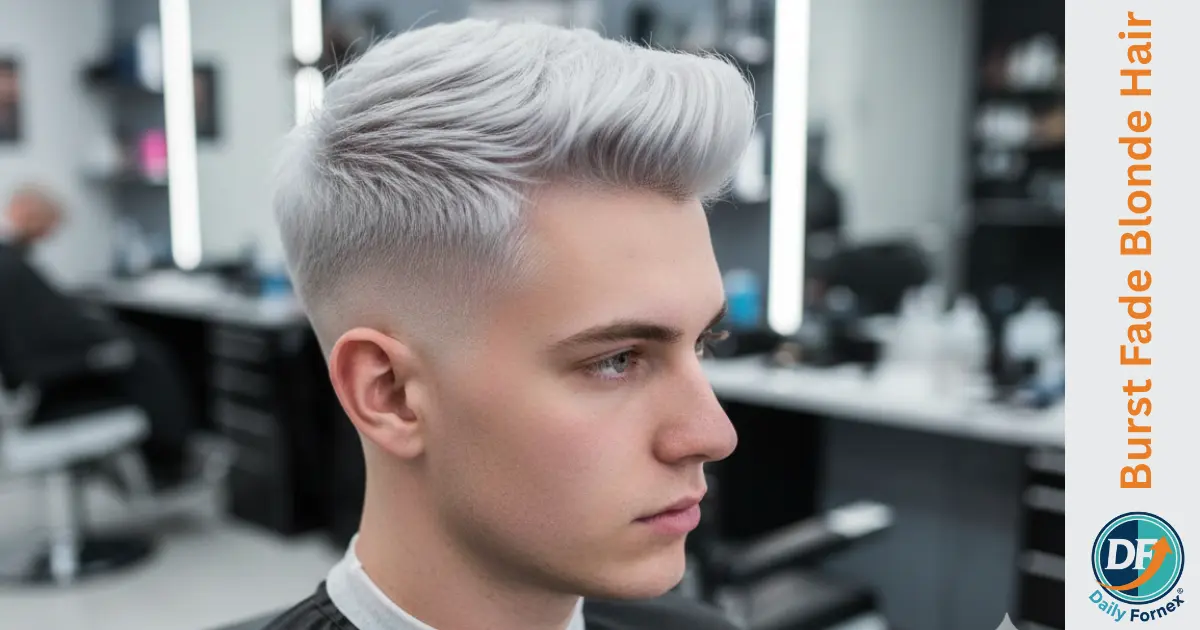
A burst fade blonde hair combination creates one of the most striking and modern hairstyles for men, blending the curved, sunburst-effect fade with light-toned hair that amplifies contrast and visual impact. After working with hundreds of clients experimenting with blonde fades over the past 15 years, I’ve learned that this style delivers 2-3 times more definition than the same fade on dark hair, but it also requires strategic color maintenance to keep both the fade and blonde tones looking fresh.
The burst fade technique curves around the ear in a semi-circular pattern, and when combined with blonde hair—whether natural, highlighted, or fully bleached—creates dramatic dimension that makes the fade lines pop. According to professional colorists and barbers surveyed in 2024, blonde burst fades have surged 40% in popularity, particularly among younger demographics seeking bold, low-commitment color changes.
Understanding what a burst fade is provides the foundation, but adding blonde coloring introduces unique styling considerations, maintenance schedules, and product requirements that differ significantly from traditional dark-haired fades.
TL;DR: Burst Fade Blonde Hair Essentials
- Visual impact: Blonde creates 2-3x more fade contrast than dark hair
- Maintenance frequency: Fade touch-ups every 2-3 weeks + color toning every 3-4 weeks
- Best for: Oval, heart, and square face shapes; straight to wavy hair textures
- Styling commitment: Medium to high (requires both fade and color maintenance)
- Cost consideration: $60-120 per fade appointment + $80-150 for color maintenance monthly
- Top product must-have: Purple shampoo to prevent brass between toning sessions
Why Burst Fade Works Exceptionally Well with Blonde Hair
The burst fade’s curved, radial shape creates a unique gradient that starts tight around the ears and expands outward like a sunburst. When your hair is blonde, this gradient becomes dramatically more visible.
Enhanced contrast: Light hair against skin creates sharper definition than dark hair. The fade lines appear crisper, making even subtle length transitions obvious.
Dimensional depth: Blonde tones catch light differently than darker shades. This creates natural highlights within the fade itself, adding three-dimensional quality that flat, dark fades can’t achieve.
Texture visibility: Blonde hair shows texture, movement, and styling more clearly. Whether you’re going for beachy waves or sleek structure, blonde amplifies whatever style you create on top.
The technical challenge lies in maintaining both elements simultaneously. Your fade grows out every 2-3 weeks, while your blonde color requires toning every 3-4 weeks to prevent unwanted warm or brassy tones.
Popular Blonde Burst Fade Styles
Platinum Blonde Burst Fade
The platinum blonde burst fade features icy, almost white-blonde hair on top with a tight skin fade around the ears. This ultra-high contrast look demands the most maintenance but delivers maximum visual impact.
The platinum tone requires professional bleaching to lift natural pigment, followed by toner application to achieve that cool, silvery finish. Expect 4-6 hours in the salon initially, with toning touch-ups every 3 weeks.
Use purple shampoo 2-3 times weekly to neutralize yellow undertones that develop between professional toning sessions.
Blonde Highlights with Burst Fade
This approach adds blonde highlights or balayage to your natural hair color while maintaining the burst fade on the sides. It’s the lowest-maintenance blonde burst fade option since your root growth blends naturally.
Highlights provide dimension without full commitment. Your barber maintains the fade every 2-3 weeks, while you visit your colorist every 8-12 weeks for highlight refreshes.
This style works brilliantly for first-time blonde experimenters who aren’t ready for full bleach.
Sandy Blonde Burst Fade
Sandy blonde sits between natural brown and bright blonde, offering warmth and sun-kissed vibrancy without the stark contrast of platinum. This shade typically requires less aggressive bleaching, making it gentler on your hair.
The warmer tones mask regrowth better than cool platinum, extending time between color appointments to 4-5 weeks. Pair with Texture Clay for that effortless, beachy aesthetic.
Blonde Burst Fade Mullet
The blonde burst fade mullet combines three bold elements: the curved fade around the ears, blonde coloring, and longer length at the back. This 2025 trend delivers maximum personality and works exceptionally well with textured, wavy hair.
The mullet length showcases blonde movement and dimension that shorter styles can’t achieve. Blow-dry with your fingers to enhance natural texture without creating stiffness.
Use purple shampoo weekly to maintain cool blonde tones throughout the longer sections at the back.
Textured Blonde Burst Fade
This style emphasizes choppy, piece-y texture on top with tousled movement paired with a clean burst fade. The blonde color enhances every textured section, making the style appear fuller and more dynamic.
Apply matte styling products rather than glossy pomades. Shine products make blonde hair look greasy and diminish the textured effect you’re creating.
Burst Fade Blonde Hair for Different Textures
Straight Hair
Straight blonde hair shows the burst fade most dramatically. The smooth texture creates clean contrast without texture masking the fade lines.
The challenge with straight blonde hair is that it shows every imperfection—uneven color, rough fade transitions, or poor styling become immediately obvious. Work with an experienced barber who understands precise blending.
Style with lightweight products that add hold without weight. Heavy products flatten straight hair and eliminate volume.
Wavy Hair
Wavy blonde hair creates the most natural-looking burst fade aesthetic. The waves add movement and dimension while the fade provides structure and definition.
Embrace your natural wave pattern rather than fighting it. Use sea salt spray or texturizing products to enhance waves without creating crunch.
The wave pattern helps mask slight fade regrowth, extending 3-4 days between the “needs a cut” timeline compared to straight hair.
Curly Hair
Curly blonde hair with a burst fade delivers bold, voluminous style. The tight curls on top contrast beautifully with the clean, curved fade, and blonde tones make each curl stand out.
Managing burst fade for curly blonde hair requires specific moisture-focused products. Curly hair dries out faster when blonde, so deep conditioning becomes non-negotiable.
Use curl-defining creams rather than gels. Gels create stiffness that fights the natural bounce blonde curls should showcase.
Coarse/Thick Hair
Thick blonde hair maintains burst fade shape longer because the density provides structure. However, thick hair also requires more aggressive bleaching to achieve lighter tones, potentially causing more damage.
Break up thick density with interior texturizing. Your barber should remove bulk from inside while maintaining length on the surface, creating movement without making the style look heavy.
Coarse hair works exceptionally well with burst fade on African American hair when considering blonde tones, though professional colorist consultation is crucial to prevent damage.
How to Ask Your Barber for a Blonde Burst Fade
Clear communication prevents disappointing haircuts. Use these specific terms when requesting your blonde burst fade.
Describe the fade placement: “I want a burst fade that starts at temple level and curves around my ears, fading to skin at the sideburns.”
Specify the blonde: If you’re arriving with already-blonde hair, mention your current shade and any concerns: “My blonde is platinum, so please be gentle around the fade area where hair might be more fragile.”
Define the top length and style: “Keep 3-4 inches on top with textured layers for movement” or “Buzz the top with a #4 guard for low maintenance.”
Bring reference photos: Show 2-3 images of blonde burst fades you like, noting specific elements: “I like how this fade blends” or “I want this level of blonde contrast.”
Discuss face shape: Ask if your barber recommends adjusting fade height or top length based on your face shape. Burst fades suit most shapes, but customization optimizes your specific features.
Never assume your barber knows what “blonde burst fade” means to you. Their interpretation might differ from your vision.
Styling Products for Blonde Burst Fade
Purple Shampoo (Essential)
Purple shampoo neutralizes yellow and brassy tones that develop in blonde hair. Use 2-3 times weekly, leaving it on for 3-5 minutes before rinsing.
Skip purple shampoo on the faded sides where hair is shorter. Focus application on the longer blonde sections on top.
Texture Clay
Texture Clay provides medium hold with matte finish, perfect for creating that tousled, beachy blonde aesthetic. It enhances blonde hair’s natural dimension without adding shine that makes hair look greasy.
Work a dime-sized amount through damp hair, then blow-dry with your fingers for natural texture.
Sea Salt Spray
Sea salt spray adds grit and texture to blonde hair, creating effortless waves and volume. This works especially well for wavy or straight hair seeking more movement.
Spray on damp hair before blow-drying or air-drying. Avoid overuse—too much creates crunchiness rather than soft texture.
Lightweight Styling Cream
Styling cream offers light hold with slight shine, ideal for more polished blonde burst fade looks. Use for slicked-back styles, side parts, or controlled fringe.
Apply to damp hair and comb through for even distribution. Less is more—start with a small amount and add if needed.
Heat Protectant
If you’re blow-drying blonde hair regularly (which you should for most burst fade styles), heat protectant prevents additional damage to already-processed hair.
Spray on damp hair before any heat styling. This one step significantly reduces breakage and color fading.
Maintenance Schedule for Blonde Burst Fade
Every 2-3 Weeks: Fade Touch-Ups
The burst fade loses its sharp definition as hair grows. Book barber appointments every 2-3 weeks to maintain crisp fade lines and clean edges.
If you’re stretching appointments to save money, at minimum clean up your neckline and sideburns at home with quality trimmers.
Every 3-4 Weeks: Color Toning
Blonde hair develops warm, brassy tones from sun exposure, minerals in water, and natural oxidation. Professional toning every 3-4 weeks keeps your blonde looking fresh and cool-toned.
Between professional toning, use purple shampoo to extend color vibrancy. Consider this essential, not optional.
Every 8-12 Weeks: Root Touch-Ups (if fully bleached)
If you’re fully blonde rather than highlighted, roots become visible as hair grows. Full bleach retouch every 2-3 months prevents harsh demarcation lines.
Some clients embrace “shadow roots” intentionally, allowing 1-2 inches of natural growth for lower maintenance. Discuss this option with your colorist.
Weekly: Deep Conditioning
Bleached blonde hair requires moisture replenishment. Weekly deep conditioning masks prevent dryness, breakage, and dullness.
Apply mask after shampooing, leave for 10-15 minutes, then rinse thoroughly. Your blonde will look healthier and your fade will last longer when hair is in good condition.
Common Mistakes with Blonde Burst Fade
Over-Washing Blonde Hair
Washing daily strips natural oils and fades color faster. Blonde hair should be washed every 2-3 days maximum.
On non-wash days, use dry shampoo to absorb oil and refresh hair without water exposure that degrades color.
Using Hot Tools Without Protection
Blow dryers, flat irons, and curling tools damage blonde hair quickly without heat protectant spray. The combination of chemical processing and heat creates brittleness.
Always apply heat protectant before any heated styling, and use the lowest effective temperature setting.
Skipping Purple Shampoo
The fastest way to ruin a blonde burst fade’s appearance is letting brassiness develop. Yellow-toned blonde looks dingy against your skin, reducing the fade’s contrast.
Purple shampoo takes 3 minutes, 2-3 times weekly. This minimal effort preserves your investment in professional coloring.
Choosing Wrong Products
Heavy, oil-based products weigh down blonde hair and make it look greasy. Glossy pomades amplify any brassiness in your color.
Stick with matte-finish, lightweight products specifically designed for fine or color-treated hair.
Neglecting Fade Maintenance
Some clients maintain their blonde meticulously but let the fade grow out too long. The style requires both elements—color AND cut—to look intentional.
The grown-out burst fade loses its defining characteristic (the curved, sunburst shape), making your haircut look generic rather than styled.
Burst Fade vs Other Fade Styles with Blonde Hair
Understanding how different fades work with blonde hair helps you choose the best option.
Burst Fade vs Drop Fade: The burst fade curves around the ear while the drop fade follows the natural curve behind the ear down to the nape. With blonde hair, the burst fade creates more dramatic frontal contrast, while the drop fade offers subtler blending.
Burst Fade vs High Fade: A high fade starts near the temples and provides maximum contrast with blonde hair. The burst fade offers this same high contrast but with the unique curved shape that adds personality the straight high fade doesn’t achieve.
Burst Fade vs Low Taper: Low tapers provide subtle, conservative blending. With blonde hair, this subtlety might be TOO minimal—you lose the dramatic contrast that makes blonde fades visually striking. Choose burst fade for more statement-making style.
The burst fade hits a sweet spot: modern, distinctive shape with attention-grabbing contrast when blonde.
Cost Considerations: Blonde Burst Fade Budget
Understanding the financial commitment helps you plan appropriately.
Initial Blonde Coloring:
- Highlights: $80-180 (depending on salon and area)
- Full bleach + tone: $150-300+ (more for longer hair)
Ongoing Fade Maintenance:
- Barber visits every 2-3 weeks: $30-50 per cut
- Monthly barber costs: $60-100
Ongoing Color Maintenance:
- Toning every 3-4 weeks: $60-120
- Root touch-ups every 8-12 weeks: $80-150
Products (monthly estimated):
- Purple shampoo: $15-30 (lasts 2-3 months)
- Styling products: $15-40
- Deep conditioning treatments: $10-25
Total monthly investment: Approximately $150-300 depending on your specific services and product choices.
This investment is significantly higher than a standard dark-haired burst fade ($60-100 monthly for cuts only). Budget accordingly before committing to blonde.
Best Face Shapes for Blonde Burst Fade
The burst fade’s versatility suits most face shapes, but blonde coloring adds considerations.
Oval Face: The balanced proportions of oval faces work with any blonde burst fade variation. Experiment freely with different blonde shades and top lengths.
Square Face: The curved burst fade softens strong jawlines beautifully. Blonde adds dimension that prevents the angular face from looking too severe. Medium-length textured styles on top work best.
Heart-Shaped Face: Blonde burst fades balance wider foreheads by drawing attention to the dynamic fade sides. Avoid excessive volume on top that emphasizes the forehead further.
Round Face: Opt for higher burst fades and more height on top to elongate round face shapes. Platinum blonde creates sharper contrast than sandy tones, adding definition.
Diamond Face: The curved burst fade complements strong cheekbones. Blonde highlights create movement that prevents the style from looking too rigid.
Most face shapes benefit from blonde burst fades, but consulting your barber about optimal fade height and top styling ensures the most flattering result.
Related Blonde Fade Styles to Consider
If you’re exploring blonde fades beyond the burst style, these alternatives offer different aesthetics with similar color impact.
Mid Taper Fade with Blonde: The mid taper provides more gradual blending than burst fades, creating subtler contrast with blonde hair. Choose this for professional environments requiring conservative styling.
Drop Fade with Blonde: The drop fade haircut follows natural head curves down behind the ear. With blonde hair, this creates smooth, flowing contrast rather than the burst fade’s dramatic arc.
High Fade with Blonde Highlights: Rather than full blonde, add highlights only while keeping natural color at roots. Pair with a high fade for low-maintenance color that still provides dimension.
Blonde Mohawk Fade: For maximum boldness, combine platinum blonde with a mohawk silhouette and burst or drop fade sides. This ultra-high contrast style makes the strongest statement.
Each variation requires similar color maintenance but offers different visual impacts and fade upkeep schedules.
Seasonal Considerations for Blonde Burst Fade
Different seasons affect your blonde burst fade maintenance and appearance.
Summer
Sun exposure fades blonde color faster and can create unwanted warm tones. Use leave-in conditioner with UV protection when spending time outdoors.
Chlorine and saltwater damage blonde hair and alter color. Wet your hair with clean water before swimming to reduce chemical absorption, and use clarifying shampoo afterward.
Summer offers the perfect aesthetic for beachy, textured blonde burst fades. The casual, lived-in style suits warm weather activities.
Winter
Dry indoor heating and cold outdoor air create brittle blonde hair. Increase deep conditioning frequency to twice weekly during winter months.
Winter sun reflects off snow, creating UV exposure you might not expect. Continue using color-safe products with UV protection.
Hats and beanies can flatten your burst fade styling. Consider shorter top lengths during winter for easier hat-wearing without ruining your look.
Spring/Fall
These transitional seasons offer ideal conditions for blonde burst fades—moderate temperatures and humidity that don’t stress your hair.
Use these months to experiment with new blonde shades or adjust fade height before committing to a look you’ll maintain through summer or winter extremes.
Conclusion
Burst fade blonde hair combines the modern, curved fade technique with light-toned coloring that amplifies contrast and creates one of the most visually striking hairstyles available. The blonde color makes the sunburst fade pattern pop with 2-3 times more definition than the same cut on dark hair, but this dramatic aesthetic requires balanced maintenance of both your fade lines every 2-3 weeks and your color tones every 3-4 weeks.
The style works across various textures – from straight to curly – and suits most face shapes when customized appropriately. Whether you choose platinum intensity, sandy warmth, or strategic highlights, the blonde burst fade delivers personality and dimension that flat, single-tone fades cannot achieve.
Success with this style requires commitment to proper products (purple shampoo is non-negotiable), regular professional maintenance, and realistic budgeting for both barber and colorist appointments. When maintained correctly, the blonde burst fade offers a fresh, contemporary look that stands out in 2025’s men’s grooming landscape.
For those seeking alternatives with different maintenance levels, exploring variations like the drop fade haircut with blonde coloring provides similar visual impact with adjusted upkeep requirements.
Frequently Asked Questions
Does burst fade work well with blonde hair?
Yes, burst fades work exceptionally well with blonde hair because the light color creates 2-3 times more contrast than dark hair fades. The curved, sunburst-shaped fade becomes dramatically visible against blonde tones, making the fade lines appear crisper and more defined. The enhanced contrast and dimensional depth make blonde one of the best color choices for showcasing the burst fade technique.
How often do I need to maintain a blonde burst fade?
Blonde burst fades require dual maintenance: fade touch-ups every 2-3 weeks to keep the curved shape sharp, and color toning every 3-4 weeks to prevent brass and maintain your desired blonde tone. This is notably more frequent than dark-haired burst fades which only need the cut maintenance. Plan for approximately 6-8 barber visits and 3-4 color toning appointments annually.
What’s the best blonde shade for a burst fade?
Platinum blonde creates maximum contrast and the most dramatic burst fade appearance, while sandy blonde offers warmth with slightly lower maintenance. Blonde highlights provide the easiest entry point if you’re new to blonde, allowing natural root growth to blend seamlessly. Choose based on your maintenance commitment: platinum requires toning every 3 weeks, while sandy blonde extends to 4-5 weeks.
Do I need purple shampoo for a blonde burst fade?
Yes, purple shampoo is essential for maintaining a blonde burst fade. Blonde hair develops yellow, brassy tones from sun exposure, heat styling, and water minerals. Purple shampoo neutralizes these warm tones between professional toning appointments. Use 2-3 times weekly on the longer blonde sections on top, avoiding the shorter faded sides where hair doesn’t require color maintenance.
Can I bleach my hair if I have a burst fade?
Yes, you can bleach hair with a burst fade, but timing matters. If getting the fade first, wait 1-2 weeks before bleaching to allow any scalp irritation to heal. If bleaching first, wait 3-5 days before getting the fade to prevent chemical interaction with fresh cuts. Always work with a professional colorist who understands you’ll need frequent fade touch-ups that might stress bleached hair.
How much does a blonde burst fade cost to maintain?
Initial blonde coloring costs $80-300 depending on technique (highlights vs. full bleach). Ongoing maintenance costs approximately $150-300 monthly, including fade touch-ups every 2-3 weeks ($30-50 each), color toning every 3-4 weeks ($60-120), and necessary products like purple shampoo and deep conditioner ($25-50 monthly). Budget annually around $1,800-3,600 for complete maintenance.
Will blonde damage affect my burst fade’s appearance?
Damaged blonde hair can make your burst fade look less sharp because unhealthy hair doesn’t lay smooth and creates frizzy edges that blur fade lines. Prevent damage by using heat protectant before styling, deep conditioning weekly, washing only every 2-3 days, and avoiding over-processing. Healthy blonde hair maintains fade definition better and requires less frequent barber visits for cleanup.
What styling products work best for blonde burst fades?
Use matte-finish products like Texture Clay for textured, beachy styles, as shine products amplify brass in blonde hair. Sea salt spray enhances natural waves and texture, while lightweight styling cream works for more polished looks. Always apply heat protectant before blow-drying, and avoid heavy, oil-based products that weigh down blonde hair and make it appear greasy.
Does straight or curly hair show blonde burst fades better?
Straight blonde hair shows burst fades most dramatically with the sharpest definition and clearest contrast, but it also reveals every imperfection in both the fade and color. Curly blonde hair creates bold, voluminous style with the fade providing structure, though curls partially mask the precise fade lines. Wavy hair offers the most balanced approach, showing good fade definition while adding natural texture and movement.
How do I prevent my blonde burst fade from looking brassy?
Prevent brass by using purple shampoo 2-3 times weekly, scheduling professional toning every 3-4 weeks, avoiding excessive sun exposure (or using UV-protecting products), and washing with cool water instead of hot. Use color-safe, sulfate-free shampoos designed for blonde hair, and avoid chlorinated pools or saltwater without pre-wetting hair and using clarifying shampoo afterward.
Can I do a blonde burst fade at home?
Professional application is strongly recommended for blonde burst fades because the style requires two specialized skills: precise fade cutting and proper hair coloring. Home bleaching risks uneven color, excessive damage, and unwanted tones, while home fading often creates choppy lines rather than smooth blending. At minimum, get professional coloring and initial fade, then maintain edges at home between barber visits.
What face shapes look best with blonde burst fade?
Blonde burst fades flatter oval, square, and heart-shaped faces particularly well. The curved fade softens strong jawlines on square faces, balances wider foreheads on heart-shaped faces, and works with the natural proportions of oval faces. Round faces benefit from higher burst fades with more top length to create vertical elongation, while diamond faces complement the curved fade that highlights cheekbones.