Buzz Cut Fade: 7 Sharp Styles for Men in 2025 (Expert Guide)


The buzz cut fade has become 2025’s most requested haircut at barbershops across Melbourne and beyond, blending military-sharp precision with modern versatility. After a decade working with clients seeking low-maintenance yet striking styles, I’ve watched this cut evolve from basic uniformity to a canvas for personalization.
This isn’t your grandfather’s buzz cut. Today’s variations incorporate skin fades, textured tops, and clean surgical lines that transform a simple short cut into a statement of intentional style. Whether you’re managing a demanding schedule or simply tired of spending mornings wrestling with styling products, the buzz cut fade delivers both freedom and polish.
Quick Takeaways:
- Seven distinct styles ranging from subtle low fades to bold skin fades
- Works with all hair types including straight, wavy, curly, and coarse textures
- Requires maintenance every 2-4 weeks depending on fade height
- Suits most face shapes when properly matched to fade placement
- Zero daily styling required for most variations
What Makes the Buzz Cut Fade Different in 2025
The buzz cut fade combines an even-length buzz on top with graduated sides that transition from short to shorter (sometimes down to skin). Unlike the traditional uniform buzz cut, the fade creates depth and dimension while maintaining that clean, no-fuss aesthetic.
The style has evolved beyond its military roots, with bold fades, hair designs, and color variations turning it into a canvas for personalization. What sets 2025 apart is the integration of technical precision with individual expression.
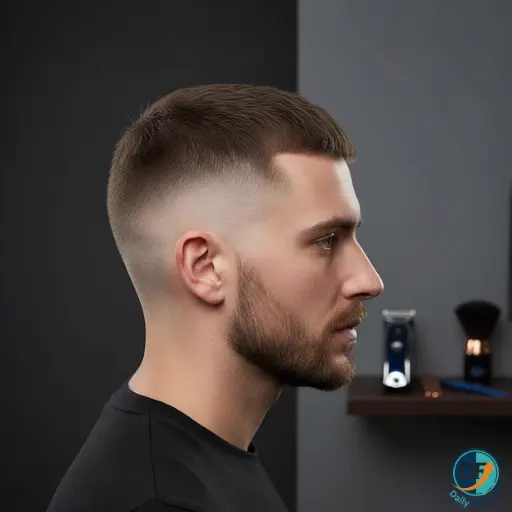
The fade itself refers to the gradual blending technique barbers use on the sides and back. Starting at a specific point on the head, they work through multiple clipper guards to create a seamless transition. This graduation gives the back and sides that “faded” appearance while keeping the top consistently short.
For professionals, this translates to a haircut that looks intentional rather than accidental. The structure suggests discipline without sacrificing modern edge.
Seven Buzz Cut Fade Styles That Work in 2025
Low Buzz Cut Fade
The low fade starts just above the ears, making it the most conservative variation. Barbers keep the top between a #2 and #4 guard while the sides taper gradually toward the neckline.
This style excels in professional environments where subtlety matters. The gentle transition looks polished without drawing excessive attention, making it ideal for corporate settings, formal events, or anyone preferring understated grooming.
Best for: Oval, square, and round face shapes. Men who need versatility between office and weekend wear.
The low fade is simple, clean, and professional, perfect for events like office parties or weddings. The low taper fade offers even more styling flexibility if you want slightly more length to work with.
Mid Buzz Cut Fade
The mid fade sits right between your temples and ears, offering balanced contrast without extreme boldness. This placement works universally well because it complements natural head proportions.
The mid fade provides definition without being overdone, creating a balanced look that highlights strong features. Barbers typically use a #1 to #3 guard on top, with sides fading to skin or a #0.
This variation bridges casual and professional contexts seamlessly. You can wear it to client meetings on Tuesday and weekend barbecues on Saturday without any adjustment. The mid taper fade adds versatility if you’re looking for slightly softer transitions.
Best for: All face shapes. Men seeking maximum versatility across different settings.
High Buzz Cut Fade
Starting near the temples, the high fade creates striking contrast between the buzzed top and shaved sides. This bold placement demands attention and works best for those comfortable making a statement.
The high fade creates a strong contrast with the buzz cut on top, looking sharp and modern while adding height that can elongate facial proportions. Barbers use similar guard lengths on top (#2-#4) but start the fade much higher, creating more dramatic visual impact.
The high fade requires more frequent maintenance since the contrast becomes obvious as hair grows. Expect barber visits every 2-3 weeks to keep lines crisp. Learn more about achieving this look with a high taper fade.
Best for: Oval and diamond face shapes. Men who want maximum visual impact and don’t mind regular upkeep.
Skin (Bald) Fade Buzz Cut
The skin fade takes sides and back down to bare scalp, creating the sharpest possible contrast with the buzzed top. This style creates a bold and modern look that emphasizes facial structure and bone definition.
Barbers use a #2-#4 guard on top while blending sides seamlessly to skin level. The result looks clean and precise, though it demands the most maintenance of any variation.
The exposed scalp requires attention beyond just haircuts. Apply moisturizer daily to prevent dryness and flaking, and use SPF 30+ sunscreen when spending time outdoors. Scalp care becomes essential with skin fades since more scalp is exposed to sun and elements.
Best for: All face shapes willing to commit to regular maintenance. Men who want maximum edge and cleanliness.
Trim schedule: Every 1-2 weeks to maintain sharp contrast and prevent blur.
Taper Fade Buzz Cut
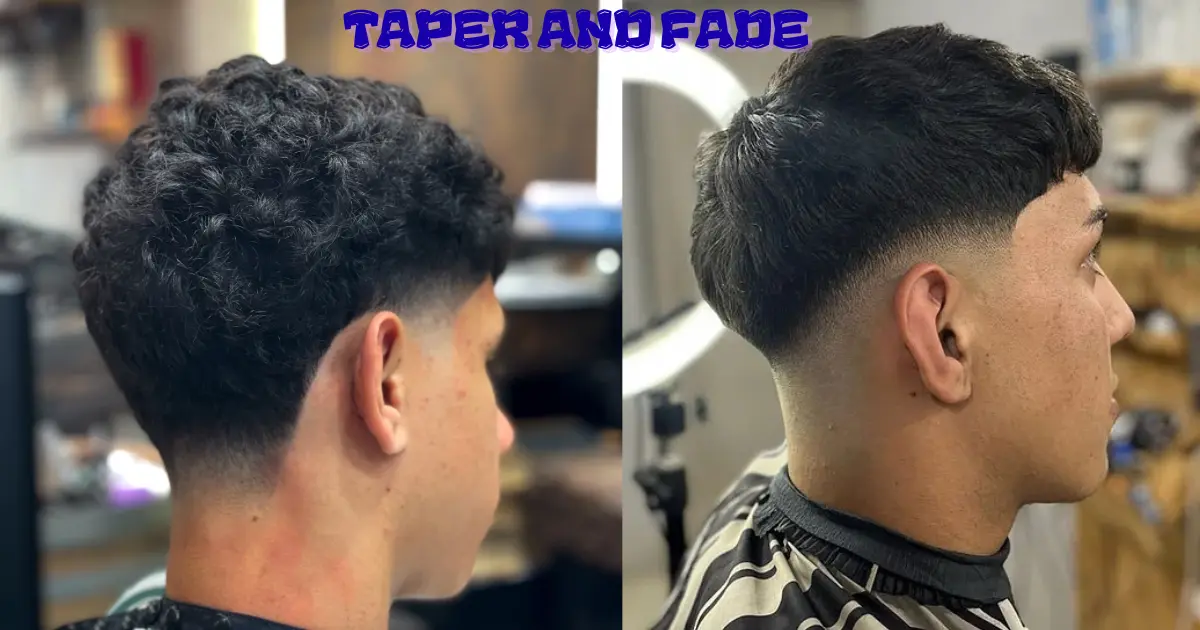
The taper fade offers a softer, more gradual transition than standard fades. Instead of dropping to skin, it tapers around the neckline and sideburns, creating a gentler gradient.
The taper fade gives hair a sleek, graduated appearance that’s particularly effective for those looking to add a modern twist without much fuss. This makes it more forgiving as it grows out, requiring slightly less frequent maintenance than skin fades.
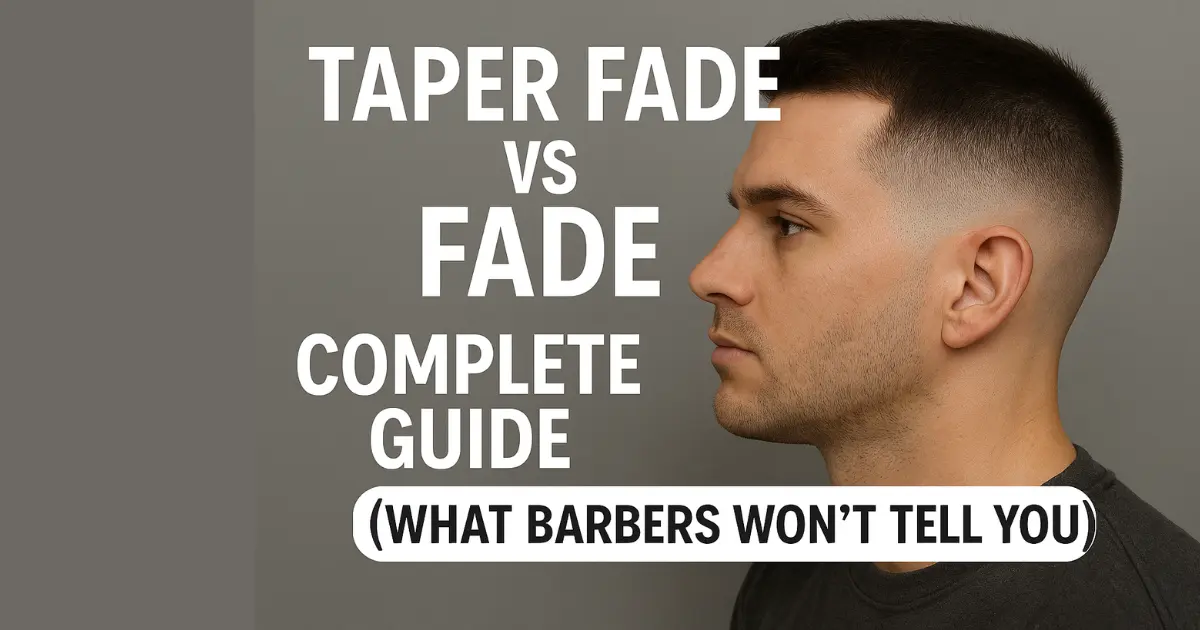
The distinction matters: fades go to skin, tapers stay slightly longer throughout. For men who want structure without aggressive contrast, this variation provides middle ground.
Best for: Men preferring subtle grooming or those new to faded styles. Works with all face shapes.
Trim schedule: Every 3-4 weeks.
Drop Fade Buzz Cut
The drop fade curves around the ear, creating a burst-like effect that adds a trendy touch to the traditional buzz cut. Unlike straight fades that follow a horizontal line, the drop fade follows your head’s natural curvature, dipping lower behind the ears.
This creates visual interest and adds dimension to an otherwise simple cut. The curved line softens the overall appearance while maintaining clean structure. Check out our complete guide on the drop fade for more styling variations.
The drop fade particularly complements men with rounder face shapes since the curved line creates length and draws the eye downward rather than widening appearance.
Best for: Round and heart-shaped faces. Men wanting something distinctive without going extreme.
Temple (Brooklyn) Fade Buzz Cut
The temple fade, also known as the Brooklyn fade, keeps the fade localized around the temples only. The rest of the sides maintain more length, creating a subtle accent rather than full fade coverage.
This minimal approach offers the least maintenance of any fade variation while still providing modern edge. It’s particularly effective for men who want to test faded styles without full commitment.
The temple fade pairs exceptionally well with beards since it creates clean separation between facial hair and head hair without excessive contrast. For those curious about similar techniques, explore what makes a burst fade unique in its curved approach.
Best for: All face shapes. Men seeking minimal maintenance with contemporary style.
Matching Your Buzz Cut Fade to Your Face Shape
Face shape determines which fade height will enhance rather than fight your natural proportions.
Round faces: The goal is adding length and definition. High fades create vertical lines that elongate your face, making it appear less circular. Avoid low fades that emphasize width.
Square faces: You’ve got sharp angles and strong jawlines to work with. Low to mid fades highlight these features without competing with them. The clean lines of any buzz cut fade complement square bone structure naturally.
Oval faces: Lucky you. Oval is the most versatile shape, working well with any fade height. Choose based on personal style preference and maintenance willingness rather than structural necessity.
Diamond faces: With wider cheekbones and narrower foreheads, aim for balance. Mid to high fades work best, creating width at the temples to balance your cheekbones’ prominence.
Long/rectangular faces: Stick to low or taper fades. High fades risk elongating an already long face shape. The lower fade placement adds horizontal visual interest that balances proportions.
Hair Texture Considerations
Your natural hair texture influences both the final appearance and maintenance requirements of buzz cut fades.
Straight hair: Shows every line and blend with precision. This works wonderfully for clean, sharp fades but demands perfect execution from your barber. Any blending mistakes become immediately visible. Straight hair also grows evenly, making maintenance schedules predictable.
Wavy hair: Brings movement, so leaving a little more length on top lets the fade frame that natural texture. Consider a #3 or #4 guard on top to show off the wave pattern while keeping sides neat. The texture adds visual interest that compensates for shorter overall length.
Curly hair: Works beautifully with buzz cut fades, though it requires specific approach. The natural volume and texture create dimension even at short lengths. Keep the top slightly longer (#4-#6) to show curl pattern without overwhelming the fade. The mid taper fade works beautifully with curly hair when styled properly.
Coarse/thick hair: Handles buzz cuts exceptionally well since the dense texture creates fuller appearance even when cut short. High fades add sharp definition that cuts through the thickness, creating clean structure.
Fine/thinning hair: The short top and faded sides draw attention away from thinning areas and create a fuller, more uniform look. Buzz cut fades minimize the contrast between thicker and thinner sections, making the overall appearance more consistent.
How to Get the Perfect Buzz Cut Fade
Communicating with Your Barber
Precision matters when requesting a buzz cut fade. Vague instructions lead to disappointing results. Instead of saying “give me a fade,” try this framework:
“I want a buzz cut on top using a #[2/3/4] guard, with a [low/mid/high/skin] fade on the sides and back. Keep the fade clean and tapered around the neckline.”
If you have a reference picture, show it to your barber rather than relying solely on verbal description. Photos eliminate ambiguity and ensure you’re both visualizing the same outcome.
Specify these details:
- Top length: Which clipper guard (#1-#6)
- Fade type: Low, mid, high, or skin
- Fade start point: Where you want the graduation to begin
- Neckline preference: Tapered, blocked, or rounded
- Additional details: Surgical lines, beard integration, texture
Essential Clipper Guard Numbers
Understanding guard sizes helps you communicate effectively and maintain consistency across barber visits:
- #1 (1/8 inch): Very short, shows scalp clearly
- #2 (1/4 inch): Classic short buzz length
- #3 (3/8 inch): Balanced length, shows texture
- #4 (1/2 inch): Longer buzz, more coverage
- #5-#6 (5/8-3/4 inch): Approaching butch cut territory
- #0: Essentially shaved to skin
Most buzz cut fades use #2-#4 on top, with sides fading down through lower guards or to skin depending on style choice.
DIY vs Professional Results
You can handle the buzz part pretty easily, but the fade takes practice and multiple mirrors. For your first buzz cut fade, visit a professional barber. They’ll establish the proper fade lines and teach you what to look for.
If attempting at home after professional guidance:
Tools needed:
- Quality clippers with multiple guards
- Precision trimmer for edges
- Handheld mirror plus wall mirror
- Steady hand and patience
Process:
- Start with clean, dry hair
- Buzz the top evenly with chosen guard
- Switch to lower guard for fade starting point
- Work in small sections, blending gradually
- Use trimmer for neckline and edge details
- Check symmetry from all angles
The fade requires the most skill. Miss the blend and you’ll see obvious lines between guard lengths. When in doubt, leave fade work to professionals and handle simple top maintenance between visits.
Maintaining Your Buzz Cut Fade
Daily Care Requirements
Wash regularly using mild shampoo 2-3 times a week to keep your scalp clean without over-drying. Unlike longer hairstyles that require conditioning routines, buzz cuts need minimal daily attention.
Morning routine: Run your hand through your hair. Done.
Scalp care: Buzz cuts and close fades expose the scalp, which can become dry or flaky. Use a lightweight, non-greasy moisturizer or scalp oil. Apply a few drops after showering, massaging into scalp.
Sun protection: Exposed scalp burns easily. Apply SPF 30+ sunscreen to your scalp before extended outdoor time, especially during Australian summer months.
Touch-Up Schedule
Plan to visit your barber every 2 to 4 weeks to prevent your fade from blurring. The exact schedule depends on your chosen style:
- Skin fade: Every 1-2 weeks (shows growth fastest)
- High fade: Every 2-3 weeks
- Mid fade: Every 2-3 weeks
- Low fade/taper: Every 3-4 weeks
Hair grows approximately half an inch monthly. As it grows, the fade’s crisp lines blur and the contrast diminishes. Regular maintenance keeps the intentional structure visible.
For specific guidance on keeping your fade fresh between appointments, check our detailed guide on maintaining your fade.
Between-Visit Maintenance
Edge cleanup: Use a trimmer to clean up your hairline, working slowly to avoid over-trimming. Keep the neckline tidy by trimming stray hairs.
Focus on:
- Hairline (forehead)
- Neckline
- Sideburns
- Around ears
Product use: Most buzz cut fades need zero styling products. If you keep the top slightly longer (#4+), consider:
- Light matte paste for texture
- Minimal pomade for subtle definition
- Avoid heavy waxes or gels that create buildup
Benefits Beyond the Aesthetic
Time savings: Eliminate morning styling routines completely. Most men report saving 15-30 minutes daily once they switch to buzz cut fades. Over a year, that’s 91-182 hours reclaimed.
Cost efficiency: While you’ll visit the barber more frequently, you’ll spend nothing on styling products, conditioners, or hair tools. The math usually favors buzz cuts financially.
Versatility: These styles work across professional and casual settings, pairing equally well with suits and streetwear. The clean lines read as polished and intentional regardless of context.
Confidence boost: There’s something powerful about a fresh fade. The sharp lines and deliberate styling project competence and attention to detail.
Potential Drawbacks to Consider
Scalp visibility: If you have scars, birthmarks, or uneven skull shape, short cuts make these more noticeable. Consult with your barber about whether slightly longer variations might work better.
Frequent maintenance: Hair grows fast, so aim for a trim every 2-3 weeks if you want to keep the fade looking fresh. This requires both time and budget commitment.
Limited styling flexibility: Once you buzz it, you can’t suddenly decide to style it differently. You’re committed until it grows out. For men who enjoy variety in their look, this consistency might feel restrictive.
Initial adjustment: If you’re coming from longer hair, the shock of seeing so much scalp takes mental adjustment. Give yourself a week before deciding whether you love or hate it.
Pairing with Facial Hair
A fade blends really well with a beard, especially if you go for a low or mid taper. The fade creates smooth transition from head hair to facial hair rather than abrupt separation.
Full beard: Pair with mid to high fades for balanced proportions. The beard’s volume offsets the short top, creating harmony between upper and lower face.
Short beard/stubble: Works with any fade height. The minimal facial hair complements the minimal head hair for cohesive simplicity.
Clean-shaven: High or skin fades look particularly sharp without facial hair, emphasizing facial structure and bone definition directly.
Ask your barber to blend the fade into your sideburns for seamless integration between your haircut and beard.
Buzz Cut Fade Cost and Commitment
Expect to pay $30-$60 per cut in most Australian cities, with premium barbershops charging more for precision work. Factor in visits every 2-4 weeks, and you’re looking at $390-$1,560 annually depending on fade type and location.
Compare this to longer styles:
- Styling products: $200-400/year
- Haircuts every 6-8 weeks: $260-390/year
- Hair tools (dryer, brushes): $100-300/year
The buzz cut fade often costs more in barbering but eliminates product and tool expenses, coming out roughly equal or slightly less expensive overall.
Time commitment: Beyond the actual haircut (20-30 minutes), factor in:
- Travel to barbershop
- Wait time
- Scheduling coordination
Against longer styles requiring daily styling, the buzz cut fade saves significant time despite more frequent cuts.
When Buzz Cut Fades Work Best
Lifestyle indicators:
- Active lifestyle (gym, sports, outdoor activities)
- Busy professional schedule
- Hot climate
- Minimal interest in hair styling
- Preference for clean, structured appearance
- Comfort with regular barbershop visits
Personality fit:
- Confident and comfortable with attention
- Appreciate minimalism and efficiency
- Value consistency over variety
- Don’t mind commitment to maintenance
The buzz cut fade isn’t universally flattering, but for men whose lifestyle and preferences align with its characteristics, it becomes not just a haircut but a practical life choice.
Conclusion
The buzz cut fade represents efficiency meeting intentionality. It strips away unnecessary complexity while adding just enough sophistication through the fade technique to look deliberately styled rather than accidentally short.
With seven distinct variations ranging from conservative low fades to bold skin fades, you can customize the level of contrast and maintenance that fits your lifestyle. The key is matching fade height to your face shape, understanding your hair texture’s requirements, and committing to the 2-4 week maintenance schedule that keeps it looking sharp.
Whether you’re a professional seeking polished simplicity, an athlete wanting zero-hassle grooming, or simply someone tired of morning styling routines, the buzz cut fade delivers practical style that works immediately and consistently.
FAQ SECTION
How often does a buzz cut fade need trimming?
Buzz cut fades require maintenance every 2-4 weeks depending on fade height. Skin fades show growth fastest (1-2 weeks), while low tapers can stretch to 4 weeks. Hair grows approximately half an inch monthly, causing fade lines to blur as it grows out.
Is a buzz cut fade good for thinning hair?
Yes, buzz cut fades work exceptionally well for thinning hair. The short, uniform length minimizes contrast between thicker and thinner areas, creating a fuller appearance. The faded sides draw attention away from thinning areas and create a more uniform look.
Can you do a buzz cut fade at home?
The buzz part is straightforward at home with quality clippers. However, achieving a clean fade requires significant skill, proper angles, and usually multiple mirrors. For first-timers, it’s smart to let a barber establish the fade correctly, then handle simple top maintenance between visits.
What clipper guard should I use for a buzz cut fade?
Most buzz cut fades use #2-#4 guards on top. A #2 (1/4 inch) gives classic short length, #3 (3/8 inch) shows more texture, and #4 (1/2 inch) provides fuller coverage. Sides fade down through lower guards or to skin (#0) depending on your chosen fade type.
Does a buzz cut fade suit round faces?
Yes, but choose high fades for round faces. High fades create vertical lines that elongate features, making round faces appear longer and more defined. Avoid low fades that emphasize width rather than creating length.
How do I ask my barber for a buzz cut fade?
Be specific: “I want a buzz cut on top using a #[2/3/4] guard, with a [low/mid/high/skin] fade on the sides and back.” Show a reference picture if you have one to eliminate ambiguity and ensure you’re both visualizing the same outcome.
Does a buzz cut fade work with curly hair?
Absolutely. Buzz cut fades suit all hair types including curly, coarse, and afro-textured hair. The style keeps curly hair sharp and easy to manage. Keep the top slightly longer (#4-#6 guard) to show curl pattern while maintaining clean faded sides.
Can women get buzz cut fades?
Yes, many women rock buzz cut fades beautifully, especially when paired with bold fashion choices. The style has become increasingly popular across genders, with the same techniques and variations applying regardless of gender. Choose your fade height based on face shape and personal style preference.
Is a buzz cut fade professional for work?
Yes, buzz cut fades are considered professional in most industries. The clean lines and structured appearance project discipline and attention to detail. Low and mid fades work particularly well in conservative corporate environments, while higher fades suit creative and casual workplaces.
What's the difference between a taper and a fade?
Fades go all the way down to skin level, creating maximum contrast. Tapers stay slightly longer throughout, creating a softer gradient that doesn’t reach bare scalp. The taper fade gives hair a sleek, graduated appearance that’s more conservative than skin fades.
Do I need special products for a buzz cut fade?
Minimal products required. Use mild shampoo 2-3 times weekly and apply lightweight scalp moisturizer to prevent dryness. Use SPF 30+ sunscreen on exposed scalp when outdoors. Most variations need zero styling products beyond basic scalp care.
How long does a buzz cut fade last before growing out?
The fade structure starts blurring after 2-3 weeks as hair grows. While you can technically go longer, the crisp lines that define the style diminish significantly by week 4. Regular maintenance every 2-4 weeks keeps the intentional structure visible and sharp.