Drop Fade vs High Fade: Which Haircut Wins in 2025? (Face Shape Guide)


After consulting with hundreds of clients confused about whether to get a drop fade vs high fade haircut, I’ve learned that the wrong choice can mean weeks of regret while the right one becomes your signature look. These two fade styles dominate barbershops in 2025, but they serve completely different purposes and flatter different features.
TL;DR:
- Drop fade: Curves down behind ears, follows natural head shape, versatile for all settings
- High fade: Starts above temples, creates dramatic contrast, bold modern statement
- Best drop fade for: Professionals, round/oval faces, first-time fade wearers, all hair types
- Best high fade for: Fashion-forward guys, square faces, those wanting maximum impact
- Key decision factors: Face shape, lifestyle requirements, maintenance commitment, personal boldness level
What Is a Drop Fade vs High Fade?
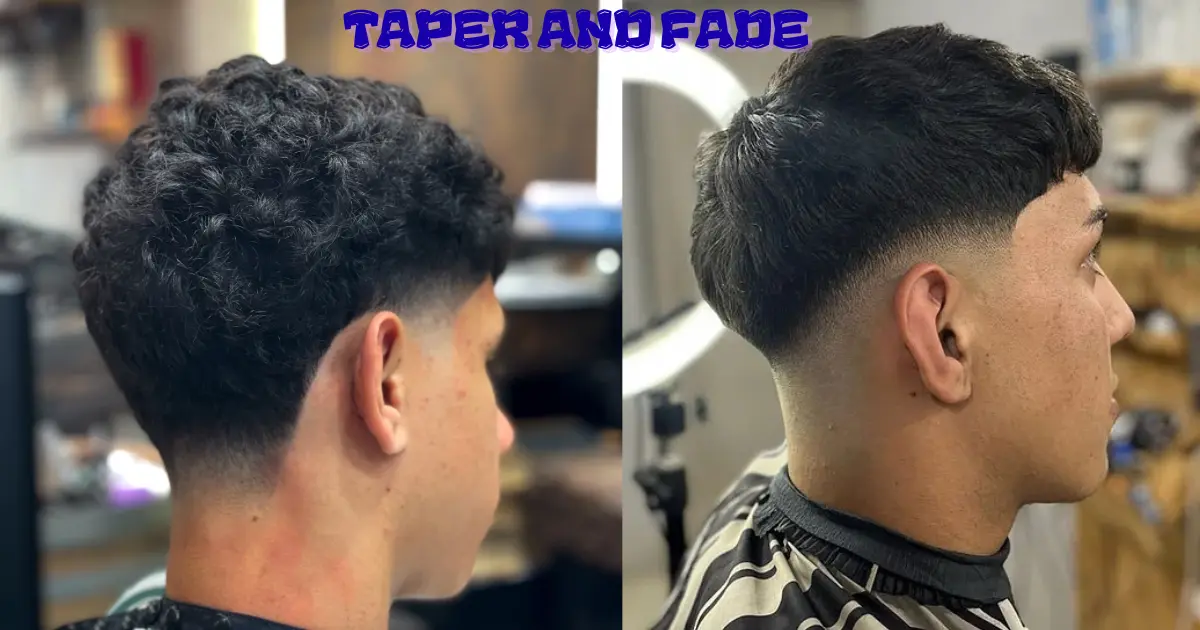
A drop fade haircut is a fade style where the taper curves or “drops” lower behind the ears, following the natural contour of your head shape, creating a smooth, rounded silhouette. The fade doesn’t follow a straight horizontal line around your head but instead dips down at the back, producing a more organic, flowing appearance.
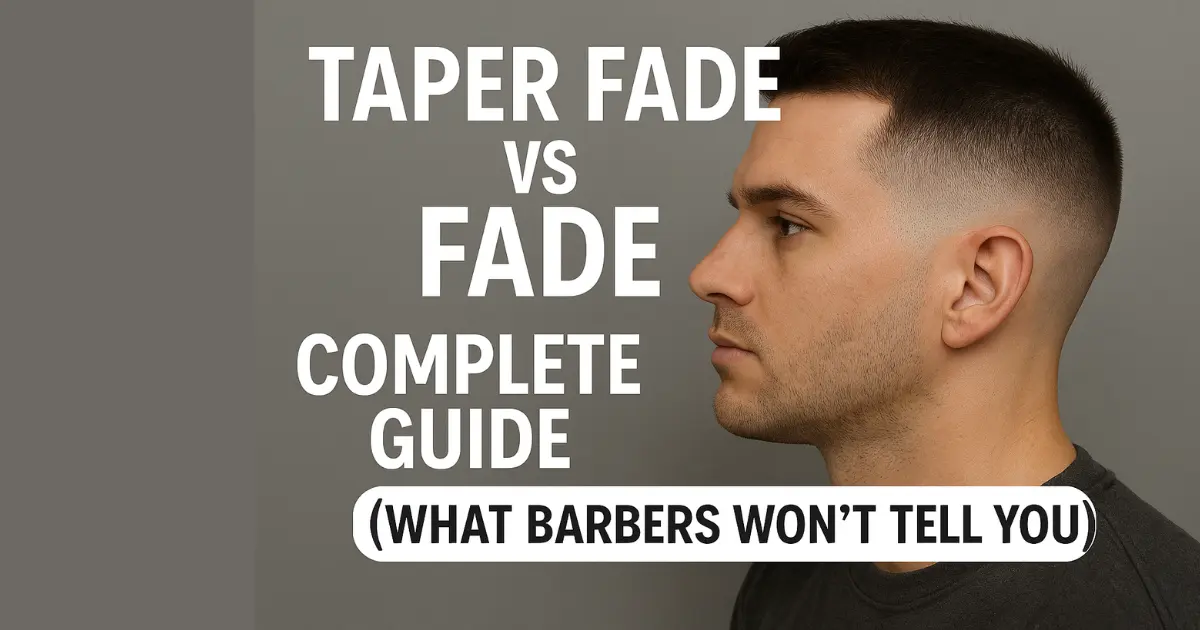
In contrast, a high taper fade starts the fade much higher on your head, typically above your temples or near the top of your forehead, and blends down aggressively to create maximum contrast between the shaved sides and the hair on top.
Key Structural Differences:
| Feature | Drop Fade | High Fade |
|---|---|---|
| Fade Starting Point | Lower, curves behind ear | High, above temples |
| Fade Path | Follows head curve (drops down) | Straight line around head |
| Skin Exposure | Moderate, concentrated at nape | Extensive, visible from front |
| Visual Effect | Sculpted, contoured | Bold, dramatic contrast |
| Versatility | Professional to casual | Trendy, fashion-forward |
Both styles can be customized with different fade depths (skin fade, shadow fade) and combined with various top styles, but the fundamental difference lies in placement and shape.
2025 Trends: Drop Fade and High Fade Popularity
Both fade styles continue to dominate 2025, but they’re evolving in distinct directions.
Drop Fade Trends: The drop fade has become the go-to for professionals who want modern edge without sacrificing workplace appropriateness. We’re seeing more drop fades paired with textured crops, natural curls left on top, and integrated beard fades. The “low drop fade” specifically surged 40% in searches over the past 12 months, reflecting demand for subtle sophistication.
High Fade Trends: High fades have exploded on TikTok and Instagram, with Gen Z and younger millennials embracing the bold statement it makes. The “high skin fade” with ultra-short tops creates that clean, minimalist aesthetic trending in 2025. High fades paired with design work, geometric patterns carved into the fade area, and bold color on top have become signature looks for trendsetters.
Hybrid Innovations: Barbers are now combining elements of both, creating “high drop fades” where the fade starts high but still curves behind the ear, giving clients the best of both worlds. This customization approach has become standard practice in top-tier shops.
The cultural divide is clear: drop fades appear more frequently in corporate settings and among 30+ demographics, while high fades dominate youth culture, athletic communities, and creative industries.
How to Choose Between Drop Fade and High Fade for Your Face Shape
Your face shape is the single most important factor when choosing between these fades.
Round Face (Soft jawline, similar width and length):
- Best choice: High fade
- Why: Adds vertical lines and height on top, visually elongating your face and creating angles
- Avoid: Low drop fades can emphasize roundness
- Styling tip: Pair high fade with volume on top (textured crop, quiff) to maximize the lengthening effect
Oval Face (Balanced proportions, slightly longer than wide):
- Best choice: Either works perfectly
- Why: Oval faces are the most versatile shape and look good with any fade height
- Recommendation: Choose based on personal style preference and workplace requirements
- Styling tip: Experiment with both to see which aligns with your personality
Square Face (Strong jawline, angular features):
- Best choice: Drop fade or mid-height fade
- Why: The curved contour of a drop fade complements angular features without adding more harsh lines
- Avoid: Very high fades can create an overly boxy appearance
- Styling tip: Keep some texture on top to soften the overall look
Heart-Shaped Face (Wide forehead, narrow chin):
- Best choice: Drop fade (mid to low)
- Why: Draws attention downward and balances the wider forehead
- Avoid: High fades that expose too much scalp at the temples, emphasizing forehead width
- Styling tip: Add fullness at the sides of your top hair to create balance
Long/Rectangular Face (Significantly longer than wide):
- Best choice: Drop fade with fuller sides
- Why: The curved drop doesn’t add unwanted height that would further elongate your face
- Avoid: High fades with tall top styles (pompadours, tall quiffs)
- Styling tip: Keep the top relatively flat or swept to the side rather than pushed up
Diamond Face (Wide cheekbones, narrow forehead and chin):
- Best choice: High fade works well
- Why: Balances the wider midsection by creating structure at the top
- Alternative: Mid drop fade also works if you prefer subtlety
- Styling tip: Add volume on top to proportionally match your cheekbone width
Step-by-Step Guide: Getting the Perfect Drop or High Fade
Step 1: Research and Preparation (1 week before)
Save 5-7 reference photos of the exact fade style you want. Don’t just look at the fade itself—pay attention to how it integrates with the top style, whether there are designs, and the overall proportions. Check the barber’s Instagram for their work with your hair type and the specific fade you’re considering.
Step 2: Book with an Experienced Fade Specialist
Not all barbers excel at all fade types. Some specialize in drop fades, others in high skin fades. Read reviews specifically mentioning the fade style you want. A specialist fade barber typically charges $35-60 but delivers precision that’s worth every dollar.
Step 3: Communicate Clearly During Consultation
Tell your barber: “I want a [drop/high] fade that [describe the curve or height], paired with [your top style].” Mention your face shape concern if you have one. Show your reference photos and ask, “Can you achieve this with my hair texture?” A good barber will be honest if they recommend adjustments.
Step 4: Specify Fade Details
Clarify whether you want:
- Skin fade (down to bare skin)
- Shadow fade (very short but not bald)
- Guard fade (maintains minimal length)
For drop fades, specify how dramatic the drop should be. For high fades, confirm exactly where the fade line should start (above temple, at temple, between temple and crown).
Step 5: Watch the Process (First 10 Minutes)
The initial guideline your barber creates determines everything. If you see them starting the fade in the wrong location, speak up immediately. It’s much easier to adjust early than to fix a completed cut you don’t like.
Step 6: Post-Cut Inspection
Check your fade from all angles using a second mirror. Look for:
- Smooth blend with no harsh lines (unless that’s your style)
- Symmetry on both sides
- Clean lineup around ears and nape
- Proper integration between fade and top
Step 7: Learn Home Maintenance
Ask your barber to show you how to touch up your neckline and sideburns between visits. For high fades especially, this can extend time between appointments by a week.
Common Mistakes to Avoid with Drop and High Fades
Choosing Based on Trend Rather Than Face Shape
I’ve seen countless clients get high fades because they’re “in” right now, only to realize the dramatic height exposure doesn’t flatter their round face. Trends don’t matter if the cut doesn’t work with your features. Always prioritize your face shape over what’s popular.
Not Accounting for Maintenance Reality
High fades require touch-ups every 1.5-2 weeks to maintain that crisp contrast. Drop fades can go 2.5-3 weeks. If you’re someone who stretches haircuts to save money or time, a high fade will look overgrown much faster. Be honest about your maintenance commitment before choosing.
Mismatching Fade with Top Style
A high fade with a very short top (buzz cut length) can make your head look small or expose an unflattering head shape. Drop fades work better with short tops because the curved line creates visual interest. Conversely, if you have long, flowing hair on top, a drop fade provides better proportion than a high fade.
Ignoring Hair Texture
Very curly or coily hair can make high fades appear uneven as they grow out because different curl patterns shrink differently. Drop fades typically grow out more evenly with textured hair because the curved line disguises the growth pattern. If you have type 3C-4C hair, discuss this with your barber before committing to a high fade.
Skipping the Lineup
Both fade styles look incomplete without a clean lineup (edge-up) around the hairline and nape. Some clients skip this thinking it’s optional, but the sharp edges created by a lineup are what give fades their polished, intentional appearance. Never skip it.
Going Too High on Your First High Fade
Start conservative if you’ve never had a high fade before. Ask for a “mid-high fade” rather than an extreme high fade. You can always go higher next visit, but you can’t add hair back if you go too aggressive initially and don’t like how it exposes your scalp.
Not Considering Your Workplace Culture
High fades can read as too trendy or casual in conservative corporate environments. Drop fades bridge the gap between modern and professional much better. If you work in finance, law, or formal corporate settings, a drop fade is the safer choice unless your workplace is explicitly progressive about appearance.
Best Practices and Pro Tips
The Rotation Strategy for Indecisive Clients
Can’t decide? Try a drop fade for 3 months, then transition to a high fade. This gives you real-world experience with maintenance, styling requirements, and how each fits your lifestyle. Many clients discover their preference changes with seasons—drop fades in winter when wearing hats, high fades in summer for cooler comfort.
Seasonal Fade Selection
Summer: High fades keep you cooler and pair well with active lifestyles. The exposed scalp dissipates heat better. Winter: Drop fades look better under beanies and provide more coverage when it’s cold. Spring/Fall: Either works, making these ideal seasons to experiment.
Product Application Differences
For drop fades: Apply styling products primarily to the top section, avoiding the fade area completely. The curved drop naturally directs eyes to the top, so that’s where your texture and definition matter.
For high fades: Because so much scalp is exposed, use a mattifying scalp product or light powder to reduce shine if you have oily skin. The high contrast means any scalp imperfections (acne, dryness) are visible, so scalp care becomes crucial.
The Beard Integration Advantage
Drop fades blend seamlessly into beards with the “drop fade to beard” technique, where the fade curves into your facial hair line. Check our guide on drop fade with beard styling. High fades create more separation between beard and haircut, which works if you prefer distinct boundaries but can look disjointed if not executed properly.
Photography Angles Matter
Drop fades photograph better from 3/4 angles and profile shots because that’s when the curve is most visible. High fades look most impressive from straight-on frontal views where the dramatic height contrast is obvious. Consider this if you’re someone who posts a lot of selfies or professional headshots.
The Design Work Decision
If you want geometric designs or patterns carved into your fade, high fades provide more canvas space since they expose more scalp. Drop fades offer less room for intricate designs but can accommodate subtle line work along the curved drop.
Maintenance Schedule and Long-Term Considerations
Drop Fade Maintenance:
- Weeks 1-2: Fade looks crisp and fresh, requires no touch-ups
- Weeks 2-3: Starts to soften, still professional-looking, optional neckline cleanup at home
- Week 3: Recommended barber visit for full refresh
- Week 4: Fade has grown out significantly, losing the defined curve
- Cost: $35-50 per visit x 14-16 visits/year = $490-800 annually
High Fade Maintenance:
- Weeks 1-1.5: Peak crispness, maximum contrast
- Weeks 1.5-2: Noticeable growth, contrast diminishing
- Week 2: Strongly recommend barber visit, fade line becomes unclear
- Week 3: Looks distinctly grown out, loses the “high fade” appearance
- Cost: $35-50 per visit x 20-24 visits/year = $700-1,200 annually
Hair Type Affects Longevity:
- Straight hair: Both fades maintain appearance longer, growth is more uniform
- Wavy hair: Drop fades grow out more gracefully than high fades
- Curly hair: Check our drop fade for curly hair guide for specific maintenance tips
- Coily hair (3C-4C): High fades can appear uneven as they grow; drop fades typically more forgiving
DIY Maintenance Between Visits:
Invest in quality clippers ($50-150) and learn to maintain your neckline and sideburn edges. This can extend your barber visits by 5-7 days for drop fades, 3-4 days for high fades. Watch YouTube tutorials specific to your fade type, practice on the easiest areas first, and never attempt to touch up the actual fade blend yourself.
When to Grow It Out and Transition:
If you’re tired of maintenance frequency, both fades can transition gracefully. Drop fades morph into low fades naturally. High fades require intentional growing-out phases where you’ll look somewhat disheveled for 4-6 weeks before it becomes a different style entirely.
Climate and Environment Considerations:
Humid climates: High fades expose scalp that can get sweaty and shiny quickly. Drop fades with slightly more coverage are often more comfortable. Dry climates: Exposed scalp from high fades can become flaky and dry faster, requiring scalp moisturizers. Active lifestyles: If you wear helmets (cycling, sports), high fades can cause friction irritation on the exposed fade area.
Related Fade Styles and Alternatives
Low Taper Fade
If both drop and high fades feel too dramatic, the low taper fade offers the most conservative option. The fade starts just above your ears and provides modern edge with maximum professional acceptability. It’s the bridge between classic tapered cuts and contemporary fades.
Burst Fade vs Drop Fade
Confused about burst fades too? Our burst fade vs drop fade comparison breaks down how burst fades curve in a semi-circle around the ear rather than dropping straight down. Burst fades pair exceptionally well with mohawks and faux hawks, while drop fades work with virtually any top style.
Mid Fade (The Compromise)
Not ready to commit to the height of a high fade or the curve of a drop fade? Mid fades start around temple level, providing balanced contrast without extreme boldness. They’re the “Goldilocks” option that works in both professional and casual settings.
Skin Fade vs Shadow Fade
Within both drop and high fade categories, you can choose fade depth. A skin fade goes completely bald at the shortest point, creating maximum contrast. A shadow fade leaves a hint of hair (1/16 inch), producing a softer, more blended appearance that grows out slightly more gracefully.
Temple Fade (Temp Fade)
This specialized fade focuses just on the temple area, leaving the back and lower sides longer. It’s less commitment than full drop or high fades and works excellently with afros, curly tops, or anyone wanting facial framing without full fade maintenance.
Whether you choose a drop fade vs high fade haircut comes down to face shape, lifestyle, and boldness preference. Drop fades offer versatility, professional polish, and forgiving growth patterns that work across all settings. High fades make dramatic statements, create maximum contrast, and work best for those committed to frequent maintenance and bold self-expression. Start conservative if uncertain, consult with an experienced fade specialist, and remember that hair grows back, so experimentation is always an option.
Frequently Asked Questions
What is the main difference between a drop fade and a high fade?
A drop fade curves down behind the ears, following your natural head shape, while a high fade starts above the temples in a straight line around your head. The drop fade creates a contoured, sculpted look, whereas the high fade produces dramatic contrast and bold visual impact.
Which fade is better for round faces: drop or high?
High fades work better for round faces because they add vertical lines and height, visually elongating the face shape. Drop fades can emphasize roundness, especially low drop fades. Pair your high fade with volume on top for maximum face-lengthening effect.
Does a drop fade or high fade require more maintenance?
High fades require more frequent maintenance, needing touch-ups every 1.5-2 weeks to stay crisp. Drop fades can go 2.5-3 weeks between barber visits. High fades lose their dramatic contrast faster as hair grows out, making the grown-out appearance more noticeable.
Can I get both a drop fade and high fade combined?
Yes, the “high drop fade” combines elements of both styles. The fade starts high like a high fade but curves down behind the ear like a drop fade. This hybrid approach has become increasingly popular in 2025, giving you the best of both styles in one cut.
Is a high fade or drop fade more professional for work?
Drop fades are generally more professional and workplace-appropriate, especially in conservative corporate environments. High fades can appear too trendy or casual in formal settings. However, many modern workplaces accept both styles, so consider your specific industry culture.
Which fade grows out better: drop or high?
Drop fades grow out more gracefully than high fades. The curved line disguises growth patterns, and the fade maintains reasonable appearance for 3 weeks. High fades lose their dramatic contrast quickly, becoming noticeably grown-out after just 2 weeks.
What hair types work best with drop fades vs high fades?
Drop fades work excellently with all hair types, especially curly and coily hair (3C-4C) because the curve hides uneven growth patterns. High fades work best with straight or wavy hair where the fade line stays visible and even as it grows out.
How much does a drop fade vs high fade cost?
Both typically cost $35-50 per visit at quality barbershops. However, annual costs differ due to maintenance frequency. Drop fades cost $490-800/year (14-16 visits), while high fades cost $700-1,200/year (20-24 visits) because of more frequent touch-ups required.
Can you transition from a drop fade to a high fade or vice versa?
Yes, but it requires patience. Transitioning from drop to high fade is easier—your barber simply starts the next fade higher. Going from high to drop fade requires 4-6 weeks of growing out the high fade area so there’s enough hair to create the curved drop contour.
Which fade is better for first-timers?
Drop fades are better for first-time fade wearers. They’re more versatile, require less maintenance commitment, grow out more forgivingly, and work in more settings. You can always transition to a high fade once you’re comfortable with fade maintenance and styling.