Drop Fade vs Taper: Which Style Fits Your Face, Life & Budget? (2026 Guide)


The drop fade vs taper debate comes up in barbershops every single day, and for good reason. These two cuts look similar at first glance but deliver completely different results in how they frame your face, how often you’ll need touch-ups, and whether they fit a boardroom or a creative studio.
After working with hundreds of clients over 15 years, I’ve learned that the “better” cut isn’t about trends. It’s about matching your face shape, lifestyle, and how much time you’re willing to spend in the barber’s chair each month.
TL;DR:
- Drop fades curve behind the ears, create high contrast, need touch-ups every 1-2 weeks, and suit oval/round/heart faces
- Tapers blend gradually into the neckline, last 3-4 weeks, work for all face shapes, and grow out gracefully
- Best for low maintenance: Taper (fewer visits)
- Best for bold style: Drop fade (sharp definition)
- Hybrid option: Tapered drop fade combines both approaches
What Is a Taper Fade?
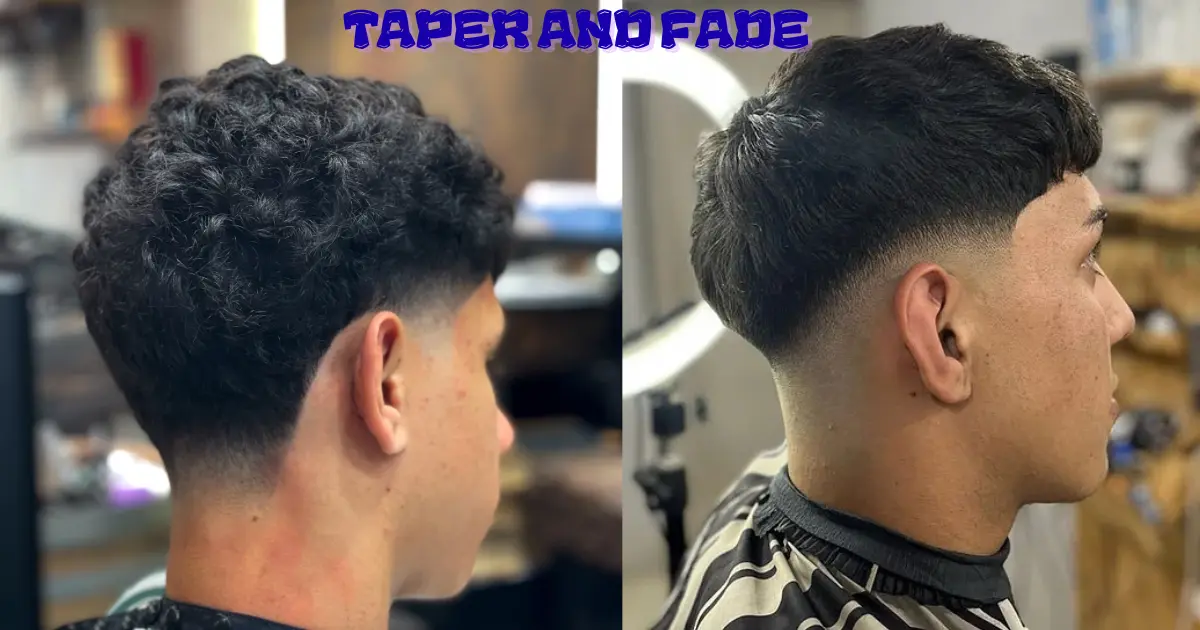
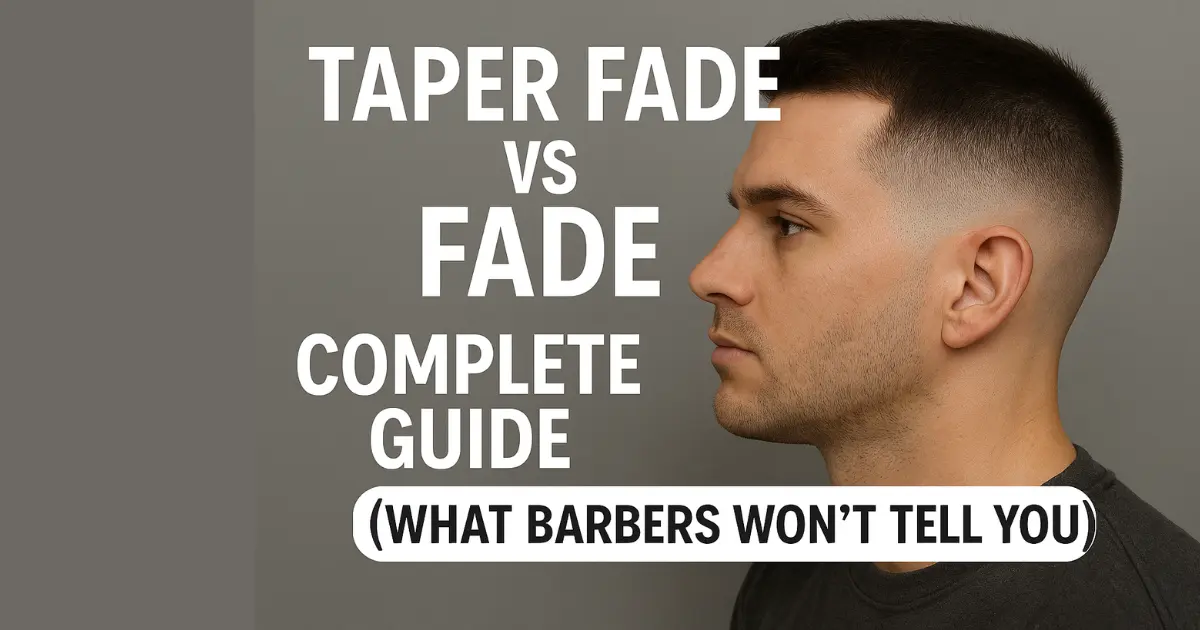
A taper gradually shortens hair from the top down to the neckline and sideburns while maintaining visible length throughout. The transition is subtle and natural, never reaching skin level.
Think of it as a dimmer switch, not an on/off button. The hair blends smoothly without dramatic contrast, creating a polished look that works in professional settings and casual environments equally well.
Tapers have been the foundation of classic men’s haircuts for decades. They pair with side parts, pompadours, crew cuts, and natural texture without overpowering the style on top. The fade line follows your natural hairline, which means less precision required and more forgiveness as it grows out.
For men who want sharp edges without constant maintenance, our mid taper fade styles offer the sweet spot between definition and durability.
What Is a Drop Fade?
A drop fade features a curved fade line that arcs down behind the ears, following the natural contour of your head before tapering tightly into the nape. This creates a distinctive silhouette that draws the eye upward and adds sculptural dimension.
The “drop” refers to how the fade line dips lower behind the ear instead of staying level around your head. This technique emphasizes bone structure, creates the illusion of added height, and delivers that head-turning contrast modern cuts are known for.
Drop fades typically fade down to skin level (or very close), which requires precision blending and regular upkeep. The curved shape makes hair growth more noticeable, so maintaining that sharp arc means seeing your barber every 10-14 days.
This style pairs exceptionally well with pompadours, textured crops, curly tops, and faux hawks. Any hairstyle that benefits from volume and movement on top gets amplified by the clean, contoured sides a drop fade provides.
Want to see the drop fade in action? Check out our complete drop fade guide for visual examples and styling tips.
Key Differences Between Drop Fade and Taper
Fade Line Shape
Tapers maintain a relatively straight, upright outline around your head. Drop fades curve dramatically behind the ears, creating an arc that follows your skull’s natural shape.
Contrast Level
Tapers offer soft, gradual transitions with minimal contrast between top and sides. Drop fades deliver sharp, high-contrast edges that make the hair on top appear more voluminous.
Skin Exposure
Tapers rarely reach skin level, keeping some hair visible at all points. Drop fades typically blend down to bare skin, especially at the nape and behind the ears.
Maintenance Schedule
Tapers hold their shape for 3-4 weeks before looking overgrown. Drop fades need touch-ups every 1-2 weeks to keep the curved line crisp and prevent the fade from looking grown out.
Growth Pattern
Tapers grow out evenly and maintain a decent appearance even when overdue. Drop fades lose definition quickly, with the curved shape disappearing as hair fills in.
To understand how taper fade differs from a regular fade, it helps to see the full spectrum of fade family options.
Which Style Suits Your Face Shape?
Round Faces
Drop fades work exceptionally well by adding vertical lines that elongate your face. The curved shape draws attention upward, creating the illusion of length. Pair with volume on top (pompadour, quiff, textured crop) for maximum effect.
Tapers can work but avoid very low tapers that add width to the sides. A mid or high taper keeps things balanced.
Oval Faces
You’ve won the genetic lottery. Both cuts work beautifully. Choose based on lifestyle and maintenance preference rather than face shape concerns.
Square/Angular Faces
Tapers soften sharp features without overwhelming your natural structure. The gradual blend creates balance.
Drop fades can work but keep the top length moderate to avoid making your face look boxy. Ask your barber to leave the sides slightly fuller at the temples.
Heart-Shaped Faces
Drop fades excel here, shifting focus from a wider forehead to the hair on top. The clean-shaven sides create balance by drawing the eye to the center.
Tapers work too, especially low tapers that don’t add bulk at the crown.
Long/Oblong Faces
Tapers are your friend. Keeping some length and fullness on the sides adds width and prevents your face from appearing even longer.
Avoid high drop fades that create extreme vertical emphasis. If you want a drop fade, ask for a low or mid variation.
Comparing the low fade and taper fade comparison reveals even more nuance for specific face shapes.
Maintenance and Upkeep Requirements
Drop Fade Maintenance
You’re committing to biweekly barbershop visits. The curved fade line loses definition fast, and waiting 3 weeks means your cut will look grown out and sloppy.
Budget $25-45 per visit depending on your location. That’s $50-90 monthly just to maintain the look. Some guys stretch it to 3 weeks, but you’ll sacrifice that sharp appearance.
Between visits, keep the neckline clean with a trimmer if you’re comfortable. Focus on the very bottom where stubble appears first.
Taper Maintenance
Tapers breathe. You can comfortably go 3-4 weeks between cuts without looking unkempt. The gradual blend means growth appears intentional rather than messy.
Budget $25-45 per visit, but you’re visiting 3-4 times quarterly instead of 6-8 times. Annual savings: $200-400 compared to drop fades.
Some clients stretch tapers to 5-6 weeks during busy periods. It’s not ideal, but it won’t ruin your professional appearance the way an overgrown drop fade will.
For detailed upkeep techniques, see our guide on maintaining your taper fade between appointments.
How to Ask Your Barber for the Right Cut
Bring photos. Seriously. Saying “drop fade” means different things to different barbers. Show them exactly what you want, focusing on where the fade starts, how dramatic the curve is, and how much length you want on top.
For a Drop Fade, Specify:
- Starting point (low/mid/high on the head)
- How aggressive the drop (subtle curve or dramatic arc)
- Skin fade or shadow fade (bare skin vs very short hair)
- Top length for your styling preference
- Any hard parts, designs, or line-ups
For a Taper, Specify:
- How low/high the taper starts
- How gradual the blend (soft taper vs more defined)
- Neckline shape (rounded, blocked, or tapered)
- Whether you want a skin taper at the very bottom
- Top length and style
Say something like: “I want a mid drop fade that curves behind my ears, blended down to skin, with about 2 inches on top for a textured crop.”
Or: “Low taper starting just above my ears, soft blend into the neckline, 3 inches on top for a side part.”
Don’t just say “fade me up” and hope for the best.
Best Hairstyles to Pair with Each
Drop Fade Pairings
- Pompadour: The height and volume on top get amplified by the clean, contoured sides
- Textured Crop: The choppy, messy top contrasts beautifully with the sharp fade
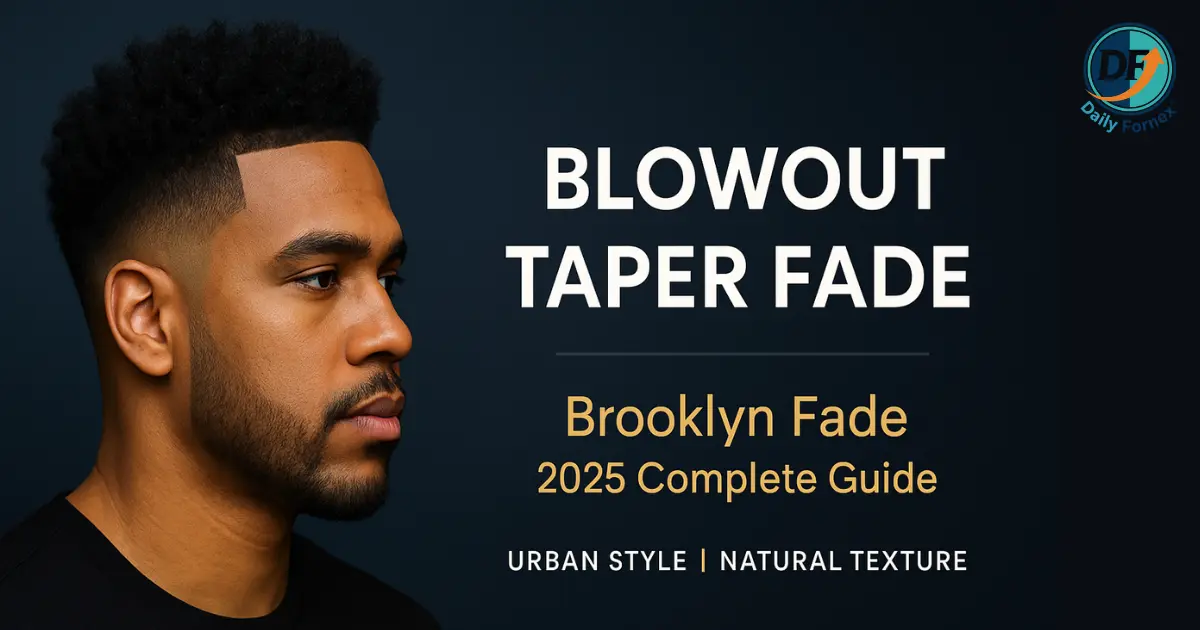
- Curly/Afro Top: Natural texture stays controlled on the sides while the top keeps its volume
- Faux Hawk: The curved fade enhances the mohawk-inspired center strip
- High Sponge Top: Popular in Black barbershops, the drop fade frames the rounded top perfectly
Taper Pairings
- Side Part: Classic, professional, timeless
- Crew Cut: Military roots meet modern refinement
- Slick Back: The taper keeps things neat while the top stays styled
- Natural Flow: Let your hair do its thing on top with controlled sides
- Comb Over: Business-appropriate with just enough edge
Exploring burst fade offers a curved alternative to the traditional drop fade for those wanting something different.
Drop Fade vs Taper: Cost Comparison
Let’s run the actual numbers based on typical barbershop pricing in the US:
Drop Fade Annual Costs:
- 24-26 visits per year (every 1.5-2 weeks)
- $30 average per cut
- Total: $720-780 annually
- Add tips: ~$960-1,000 annually
Taper Annual Costs:
- 13-16 visits per year (every 3-4 weeks)
- $30 average per cut
- Total: $390-480 annually
- Add tips: ~$520-640 annually
Drop fades cost roughly double what tapers cost over a year. If budget matters, that’s a significant consideration.
Common Mistakes to Avoid
Ignoring Your Hair Texture
Coarse, curly hair won’t hold the same razor-sharp fade lines as straight, fine hair. Be realistic about what’s achievable with your texture. Ask your barber: “What’s the sharpest drop fade possible with my hair type?”
Skipping the Consultation
Walking in and pointing at a photo without discussing your hair growth patterns, lifestyle, or maintenance ability leads to disappointment. Spend 3-5 minutes talking before the clippers start.
Requesting Major Changes Mid-Cut
Saying “Actually, make it a taper instead” after your barber’s halfway through a drop fade wastes work and creates a compromised result. Commit to your choice before the chair tilts back.
Neglecting Neckline Discussion
Your neckline accounts for 30% of how your haircut looks from behind. Specify rounded, blocked, or tapered based on your preference.
Stretching Drop Fades Too Long
Trying to save money by going 4 weeks between drop fade appointments defeats the purpose. The curve disappears, and you’re paying for a cut that looks average instead of sharp. Either commit to the schedule or choose a taper.
Related Fade Styles to Consider
Neither drop fade nor taper feels quite right? Consider these alternatives:
Burst Fade
Curves around the ear in a semicircle, ending at the side of the neck. Popular with faux hawks and modern mullets. Similar boldness to drop fades but with a different shape.
High Fade
Starts near the temples and creates dramatic contrast. More aggressive than a mid drop fade. See how drop fade compares to high fade for specific differences.
Low Taper Fade
The most conservative option. Barely visible fade that maintains maximum length. Perfect for traditional workplaces.
Tapered Drop Fade (Hybrid)
Ask for a taper in front that drops in back. You get some flash without full commitment to biweekly cuts. Growing in popularity as guys realize they can have both.
Skin Fade
Goes all the way to bare skin but maintains a straighter line than drop fades. High maintenance like drop fades but without the curved silhouette.
Which One Should You Choose?
Choose the Drop Fade If:
- You want a bold, modern look that gets noticed
- Biweekly barbershop visits fit your schedule and budget
- You have oval, round, or heart-shaped faces
- Your workplace culture embraces creative expression
- You enjoy styling your hair and want the sides to amplify the top
- You’re comfortable with high-maintenance grooming
Choose the Taper If:
- Professional appearance matters in your industry
- You prefer lower-maintenance grooming (3-4 week intervals)
- Budget is a consideration
- You have a long or square face
- You want versatility across casual and formal settings
- You like your cuts to age gracefully between visits
Still Unsure? Try This:
Start with a taper. If you love how it looks but want more edge, ask for a drop fade next time. It’s easier to go bolder than to walk back a dramatic cut you’re not ready for.
The right fade isn’t about which one’s objectively better. It’s about which one fits your face, your life, and your willingness to maintain it. A perfectly executed taper beats a neglected drop fade every time.
Frequently Asked Questions
What is the main difference between a drop fade and a taper?
A drop fade features a curved line that arcs down behind the ears and fades to skin level, creating high contrast. A taper gradually shortens hair from top to neckline without reaching skin, offering subtle blending and a more natural finish.
Which lasts longer, drop fade or taper?
Tapers last significantly longer, maintaining their shape for 3-4 weeks before needing a cut. Drop fades require touch-ups every 1-2 weeks because the curved fade line loses definition as hair grows, making the distinctive shape disappear quickly.
Is a drop fade better than a taper fade?
Neither is universally better; it depends on your priorities. Drop fades deliver bold, modern style with high contrast but need frequent maintenance. Tapers offer timeless versatility with lower upkeep, making them better for busy schedules and tighter budgets.
What face shape suits a drop fade best?
Drop fades flatter oval, round, and heart-shaped faces by adding vertical lines and drawing attention upward. The curved shape creates the illusion of length, balancing wider features. Square and long faces should approach drop fades carefully, opting for mid or low variations rather than high.
How often does a drop fade need maintenance?
Drop fades require barbershop visits every 1-2 weeks to maintain the crisp, curved fade line. Waiting longer causes the shape to grow out and lose definition. Expect 24-26 cuts annually, roughly double the frequency of tapers.
Can you get a drop fade with curly hair?
Absolutely. Drop fades work beautifully with curly, textured, and coily hair. The clean sides provide contrast that highlights natural curl patterns on top. Many barbers specialize in drop fades for Black hair, pairing them with afros, high-top fades, and sponge styles.
Is a taper fade more professional than a drop fade?
Tapers generally read as more conservative and professional, particularly in traditional corporate settings like law, finance, and healthcare. However, drop fades are increasingly accepted in creative industries, tech, and modern workplaces. Context and company culture matter more than the cut itself.
How do I ask my barber for a drop fade vs taper?
Bring reference photos showing the exact look you want. For drop fades, specify the starting point (low/mid/high), curve intensity, and whether you want skin or shadow fade. For tapers, indicate how gradual the blend should be and your preferred neckline shape. Use specific language, not generic terms.
Which fade is better for thick hair?
Both work with thick hair, but they serve different purposes. Drop fades create more dramatic contrast and help manage bulk by removing weight on the sides. Tapers keep more length, which can look fuller but also requires product to control. Ask your barber which fade suits your specific texture.
Does a drop fade work for round faces?
Yes, drop fades excel with round faces. The curved line draws the eye upward, creating vertical emphasis that elongates your face. Pair with height on top (pompadour, quiff, textured crop) to maximize the lengthening effect and balance rounder features.
What's the maintenance cost difference between drop fade and taper?
Drop fades cost roughly double over a year. At $30 per cut with 24 annual visits, you’ll spend ~$720 versus ~$390-480 for tapers with 13-16 visits. Factor in tips, and the gap widens to approximately $400-450 annually.
Can you combine drop fade and taper techniques?
Yes, hybrid “tapered drop fades” blend both approaches. The front stays higher like a taper while the back drops behind the ears. This creates visual interest without full commitment to biweekly maintenance. Many barbers offer this middle-ground option for clients who want both aesthetics.