How Long Does a Mid Taper Last? The Complete Longevity Guide


A mid taper fade typically lasts between 2 to 3 weeks before it needs a professional touch-up to maintain its crisp, defined look. After 15 years of working with clients across different hair types, I’ve learned that this timeline varies significantly based on your individual hair growth rate, the sharpness of your initial cut, and how well you maintain it between barber visits.
Hair grows approximately half an inch per month on average, but your personal growth rate, hair texture, and the contrast level in your fade all play crucial roles in determining when that sharp mid taper fade haircut starts looking grown out. A 2024 study in the International Journal of Trichology confirms what barbershops have known for decades: scalp health and hair density directly impact how quickly fades lose their definition.
The mid taper strikes a balance between the subtle low fade and the dramatic high fade, which is why it’s become one of the most requested styles. But understanding exactly how long yours will last helps you budget both time and money for maintenance.
TL;DR: Mid Taper Fade Duration
- Average lifespan: 2-3 weeks for optimal sharpness
- First signs of regrowth: 7-10 days around temples and neckline
- Maintenance sweet spot: Touch-ups every 2 weeks keep it consistently fresh
- Factors that matter most: Hair growth speed, fade contrast level, hair texture, and at-home care
- Cost consideration: 6-8 barber visits annually vs. 12-16 for high/skin fades
What Makes a Mid Taper Fade Different
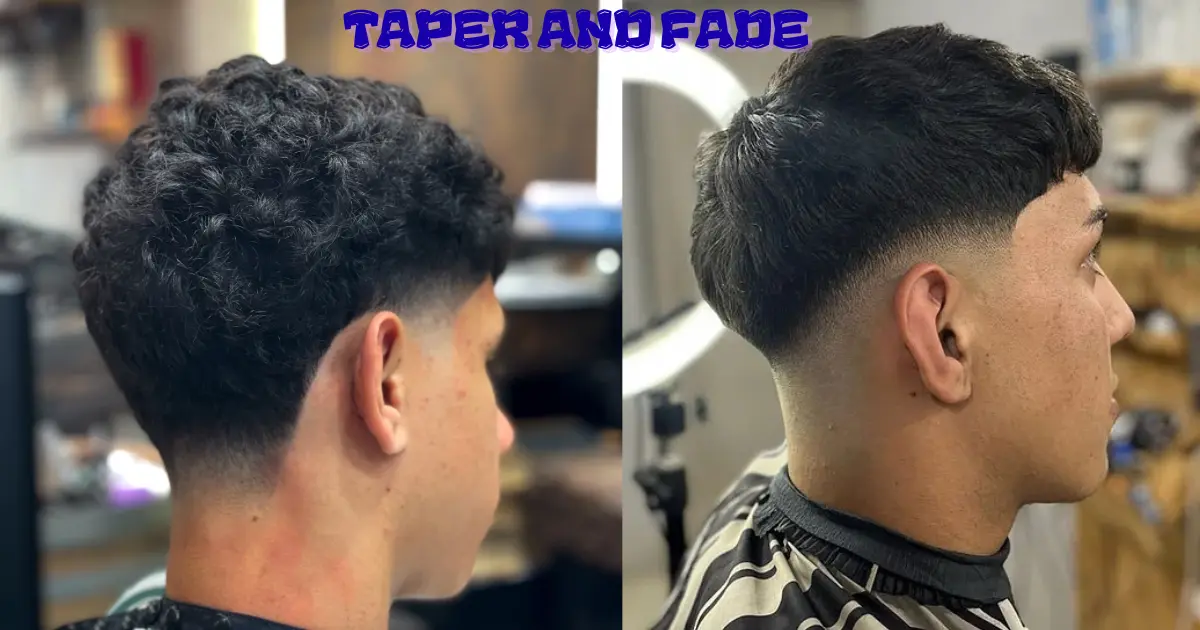
A mid taper fade starts at the temple area, roughly midway between your ears and the top of your head, gradually transitioning from longer hair on top to shorter sides and back.
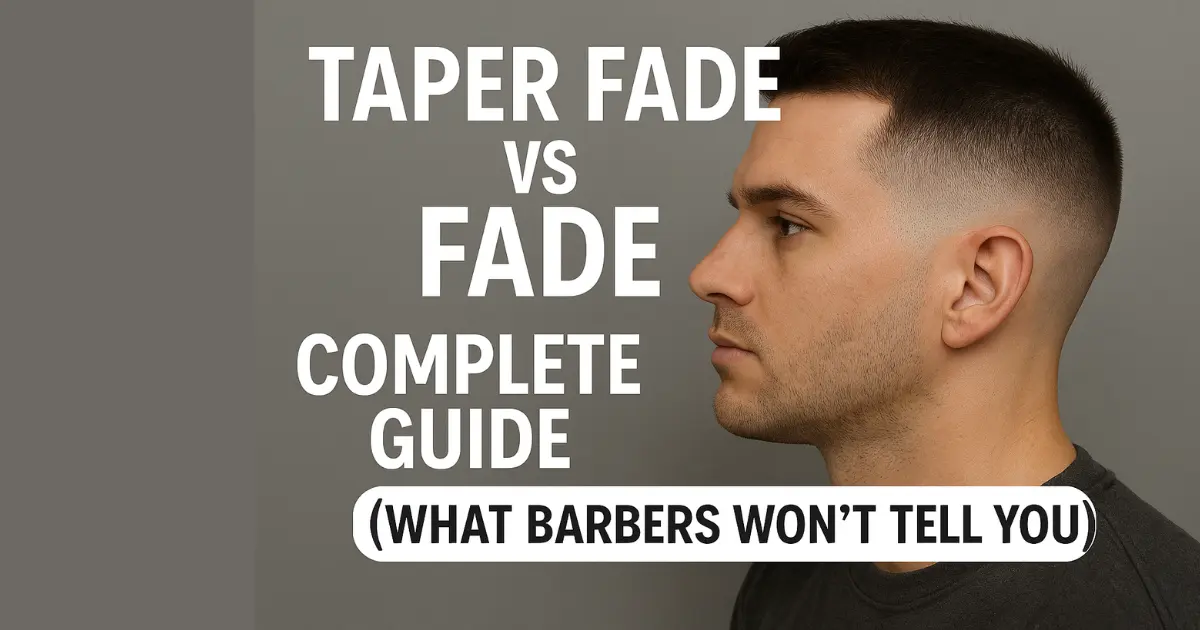
Unlike a skin fade that goes down to bare scalp, the mid taper maintains some hair length throughout the fade, which means it grows out more gradually. This subtlety is precisely why it lasts longer than more aggressive fade styles.
The blend typically begins with a #2 or #3 guard at the top of the fade zone, tapering down to a #1 or even skin at the very bottom near the sideburns and neckline. This graduated approach creates a polished look that doesn’t immediately scream “I need a haircut” after a week of growth.
The 2-3 Week Timeline: What to Expect
Days 1-7: Peak Freshness
Your mid taper looks its absolute best. The fade lines are crisp, the blend is seamless, and the contrast between your top length and faded sides is exactly what you wanted.
This is the phase where you’ll get the most compliments. The sharp edges around your temples and neckline frame your face perfectly.
Days 8-14: Subtle Changes Begin
Hair regrowth becomes noticeable if you’re paying attention, especially around the neckline and temple points where hair tends to grow fastest. The fade is still clean, but the ultra-sharp definition starts softening.
Most people can comfortably stay in this range without looking unkempt. If you’ve got a proper maintenance routine, you can stretch this phase a few extra days.
Days 15-21: Refresh Recommended
The fade lines begin to blur noticeably. What was once a smooth gradient now shows visible length transitions. The neckline may start looking fuzzy, and the temple area loses its precision.
This is the ideal window for your touch-up appointment. Waiting beyond three weeks typically means your barber needs to do more extensive work, essentially creating a fresh fade rather than maintaining the existing one.
Days 22+: Full Grown Out
Beyond three weeks, most mid tapers have lost their distinctive shape. The fade becomes a general “shorter on sides” look rather than a defined taper. You’re overdue for that barber chair.
Factors That Affect How Long a Mid Taper Lasts
Your Personal Hair Growth Rate
Hair grows an average of 0.5 inches monthly, but genetics plays a huge role. Some clients see noticeable growth within 5 days, while others maintain sharpness for nearly a month.
Younger men, particularly teenagers and those in their twenties, often experience faster hair growth due to higher hormone levels. This means more frequent touch-ups during these years.
If you notice your haircut looking grown out significantly faster than your friends’, that’s likely your natural growth pattern rather than a poor quality cut.
Hair Texture and Type
Straight, fine hair shows regrowth most obviously. The cylindrical structure stands away from the scalp, making even 1/8 inch of growth visible along fade lines.
Wavy to curly hair masks regrowth better because the natural texture creates volume that disguises the growing fade line. Clients with mid taper for curly hair often stretch their appointments to 3-4 weeks.
Coarse, thick hair grows out with more density, which can make the fade appear to fill in faster but also provides more styling options as it grows.
Asian hair, with its higher density of 150-200 hairs per square centimeter compared to 100-150 for Caucasian hair, shows regrowth more quickly due to sheer volume of follicles growing simultaneously.
Fade Contrast and Sharpness
A high-contrast mid taper that drops from a #3 on top down to skin at the bottom will show regrowth faster than a low-contrast fade that transitions from #3 to #1.
The greater the length difference between sections, the more obvious new growth becomes. If you want maximum longevity between cuts, ask your barber for a softer, more gradual blend.
Sharp, defined lines look incredible fresh from the barber but require more maintenance than softer transitions.
Initial Cut Quality
A well-executed fade with smooth blending grows out more gracefully than a choppy, uneven cut. Experienced barbers create graduated transitions that blur gradually rather than showing obvious lines as hair grows.
If your fade only lasts a week before looking messy, the issue might be execution rather than your hair growth rate.
Your At-Home Maintenance
Daily brushing, weekly neckline touch-ups, and using appropriate styling products can extend your mid taper’s fresh appearance by several days.
Neglecting basic grooming accelerates the “grown out” look even if your actual hair length hasn’t changed that dramatically.
Mid Taper vs Other Fade Types: Duration Comparison
Understanding how the mid taper stacks up against other popular fade styles helps you make an informed decision about maintenance commitment.
Low taper fade: Lasts 3-4 weeks for most hair types. The subtle transition starting just above the ears means regrowth is less noticeable initially. Best choice for maximum time between cuts.
Mid taper fade: Lasts 2-3 weeks. The balanced approach between subtlety and definition. Ideal for those wanting style without constant maintenance.
High taper fade: Lasts 1-2 weeks. The dramatic contrast starting near the crown shows regrowth quickly. Requires frequent barber visits to maintain sharpness.
Skin fade: Lasts 1-2 weeks, sometimes less. Since it goes down to bare scalp, even minimal growth creates obvious contrast. Most maintenance-intensive option.
Shadow fade/taper: Lasts 3-4 weeks. Uses longer guard sizes throughout, creating subtle definition that grows out gracefully.
The mid taper hits that sweet spot where you get noticeable style definition without the weekly barber appointments required by more aggressive fades.
How to Extend Your Mid Taper’s Lifespan
Master the Weekly Neckline Cleanup
Invest in a quality trimmer with a T-blade (Wahl Detailer or Andis T-Outliner are industry standards). Every 7-10 days, carefully follow your natural hairline to remove fuzzy growth.
Go slowly and check progress frequently. Cutting too high ruins the fade shape your barber created.
Touch Up Temple Points Strategically
The temple area shows regrowth first. Using your trimmer’s finest guard, gently redefine the edge every 10 days while maintaining the original angle.
Avoid the temptation to cut deeper into the fade. You’re maintaining edges, not recreating the blend.
Use the Right Styling Products
Matte clays and texture sprays disguise regrowth far better than glossy pomades. Shine products highlight every hair, making growth more obvious.
Light-hold pomades keep the top section controlled while allowing the sides to blend naturally as they grow. Avoid heavy, greasy products that weigh hair down and show every imperfection.
A 2022 Men’s Journal survey found 76% of men using matte products after day 5 maintained sharper-looking fades with less visible regrowth.
Brush or Comb Daily
Training your hair growth direction with a boar bristle brush maintains the fade’s shape. Spend 30 seconds each morning brushing the sides downward and back.
This simple habit prevents awkward growth patterns that make your fade look messy before it actually needs cutting.
Protect Your Hair While Sleeping
Cotton pillowcases create friction that disrupts fade lines overnight. Switch to a satin pillowcase or use a wave cap to maintain your shape.
Sleeping on wet hair causes bends and awkward angles that make your fade appear messier than it is.
Schedule Strategically
If you have an important event, schedule your haircut 2-3 days before rather than the day of. This gives the cut time to “settle” and look most natural while still being at peak freshness.
Conversely, if you’re stretching your fade, plan around your schedule by getting cuts before busy periods when you want to look your best.
Signs Your Mid Taper Needs a Refresh
Fuzzy neckline: The clean edge has become a fuzzy shadow extending beyond the original line.
Visible fade lines: What was once a smooth blend now shows distinct “steps” where guard sizes changed.
Temple bulge: Hair around the temple area creates a bumpy appearance rather than lying flat against the head.
Loss of shape: The overall silhouette looks round or bulky instead of the tailored shape you started with.
Styling difficulty: Products that used to control your hair aren’t working anymore, or styling takes noticeably longer.
If you notice two or more of these signs, it’s time to book that appointment.
Best Mid Taper Styles for Longer Wear
Certain styling choices naturally extend your fade’s fresh appearance between cuts.
Textured crop with mid taper: The messy, piece-y top disguises the sides growing in. Movement and texture draw attention upward.
Mid taper with comb over: The swept hair on top creates visual interest, making slight regrowth on sides less noticeable.
Slicked back with mid taper: The tight, controlled top contrasts with sides, and as the fade grows, the look transitions to a more casual pompadour vibe rather than appearing unkempt.
Messy fringe with mid taper: The casual, tousled front section means the overall style embraces a “lived-in” aesthetic that suits slightly grown-out fades.
Styles that incorporate natural texture and movement wear longer than ultra-precise, geometric cuts that require perfect fade lines to look intentional.
Cost and Frequency: The Real Math
Understanding the financial commitment helps you decide if a mid taper fits your budget.
Mid taper maintenance: 18-26 cuts yearly at $25-45 per cut = $450-1,170 annually
Low taper maintenance: 12-18 cuts yearly at $25-45 per cut = $300-810 annually
High/skin fade maintenance: 26-36 cuts yearly at $25-45 per cut = $650-1,620 annually
The mid taper represents a middle ground investment. You get significantly more style than a basic cut without the constant maintenance of aggressive fades.
Factor in tips (typically $5-10 per visit) and travel time to the barbershop when calculating the true cost of your chosen style.
When to Consider a Different Fade
If you’re consistently frustrated with how quickly your mid taper grows out, it might not be the right style for your hair or lifestyle.
Switch to a low taper fade if: You want maximum time between cuts, prefer subtle definition, or have a professional environment requiring conservative grooming.
Switch to a high taper or drop fade if: You don’t mind frequent barber visits, want bold contrast, or prioritize making a style statement over convenience.
Switch to a standard taper (no fade) if: You need 4-6 weeks between cuts, want minimal maintenance, or prefer classic rather than contemporary looks.
The best haircut isn’t just about appearance; it’s about matching your maintenance willingness with the style’s requirements.
Conclusion
A mid taper fade lasts 2-3 weeks before requiring a professional touch-up to maintain its signature sharp, blended appearance. Your individual hair growth rate, texture, and the contrast level in your fade all influence this timeline, with some lasting closer to 10 days and others stretching to a full month.
The mid taper offers an ideal balance between style and maintenance commitment. Unlike high fades requiring weekly barber visits or low fades that risk looking too conservative, the mid taper delivers noticeable definition without dominating your grooming schedule.
By implementing proper at-home maintenance like weekly neckline cleanups, using matte styling products, and timing your barber appointments strategically, you can consistently keep your mid taper looking fresh while maximizing time and money between professional cuts.
Frequently Asked Questions
How long does a mid taper fade actually last?
A mid taper fade typically maintains its sharp, fresh appearance for 2 to 3 weeks. The exact duration depends on your hair growth rate, which averages half an inch monthly but varies by individual. Signs of regrowth become noticeable around the 10-14 day mark, particularly at the neckline and temples.
How often should I get my mid taper touched up?
Most people schedule mid taper touch-ups every 2 to 3 weeks to maintain consistent sharpness. If you prefer an ultra-crisp look at all times, every 2 weeks is ideal. Those comfortable with slight softening can stretch to 3 weeks. Beyond this timeframe, the fade loses its distinctive shape.
Does a mid taper last longer than a high fade?
Yes, mid tapers generally last longer than high fades. The mid taper’s more gradual transition starting at temple level grows out less noticeably than a high fade’s dramatic contrast. High fades typically require touch-ups every 1-2 weeks, while mid tapers stay fresh for 2-3 weeks.
What makes a mid taper grow out faster?
Several factors accelerate mid taper growth: faster-than-average hair growth rate (genetics), high-contrast fading (skin to longer lengths), straight fine hair texture that shows regrowth clearly, and younger age with higher hormone levels. Asian hair’s higher density also makes regrowth more visible.
Can I make my mid taper last longer?
Yes, proper maintenance extends your mid taper’s lifespan by several days. Weekly neckline touch-ups, daily brushing to train hair direction, matte styling products that disguise regrowth, and protecting your hair with a satin pillowcase all help preserve the fade’s appearance between barber visits.
How do I know when my mid taper needs refreshing?
Your mid taper needs refreshing when you notice: fuzzy neckline edges, visible “steps” in the fade rather than smooth blending, bulging hair around temples, loss of the overall tailored shape, or difficulty styling with your usual products. Two or more of these signs indicate it’s time for a touch-up.
What’s the difference between a mid taper and skin fade duration?
Mid tapers last significantly longer (2-3 weeks) than skin fades (1-2 weeks). Since skin fades taper completely to bare scalp, even minimal regrowth creates obvious contrast. Mid tapers maintain some hair length throughout the fade, allowing growth to blend more gradually.
Do curly hair mid tapers last longer?
Yes, curly hair typically extends mid taper longevity to 3-4 weeks. The natural texture creates volume that masks growing fade lines better than straight hair. The curls’ three-dimensional structure disguises the distinct length transitions that become obvious on straighter textures.
How much does mid taper maintenance cost annually?
Mid taper maintenance costs approximately $450-1,170 annually, based on 18-26 cuts yearly at $25-45 per cut, plus tips. This falls between low taper maintenance ($300-810 annually) and high fade maintenance ($650-1,620 annually), making it a middle-ground investment.
Can I touch up my mid taper at home?
You can maintain edges at home between professional cuts but shouldn’t attempt to recreate the fade blend yourself. Use quality trimmers for weekly neckline cleanups and temple edge touch-ups, but leave the actual fading technique to your barber. Improper home fading often creates uneven lines that require more extensive correction.
Does hair growth speed vary by season?
Research shows hair may grow slightly faster in summer months due to increased blood circulation from warmer temperatures. However, this difference is minimal (less than 10%). Individual factors like diet, stress, and genetics have far greater impact on your mid taper’s longevity than seasonal changes.
Why does my friend’s mid taper last longer than mine?
Individual variation in hair growth rate, texture, and density explains this difference. Your friend may have slower hair growth, wavier hair that disguises regrowth, or a lower-contrast fade that grows out more gradually. Hair texture particularly impacts visible regrowth, with curly hair masking growth better than straight hair.