How to Maintain a Low Taper Fade: Keep It Sharp for 3+ Weeks


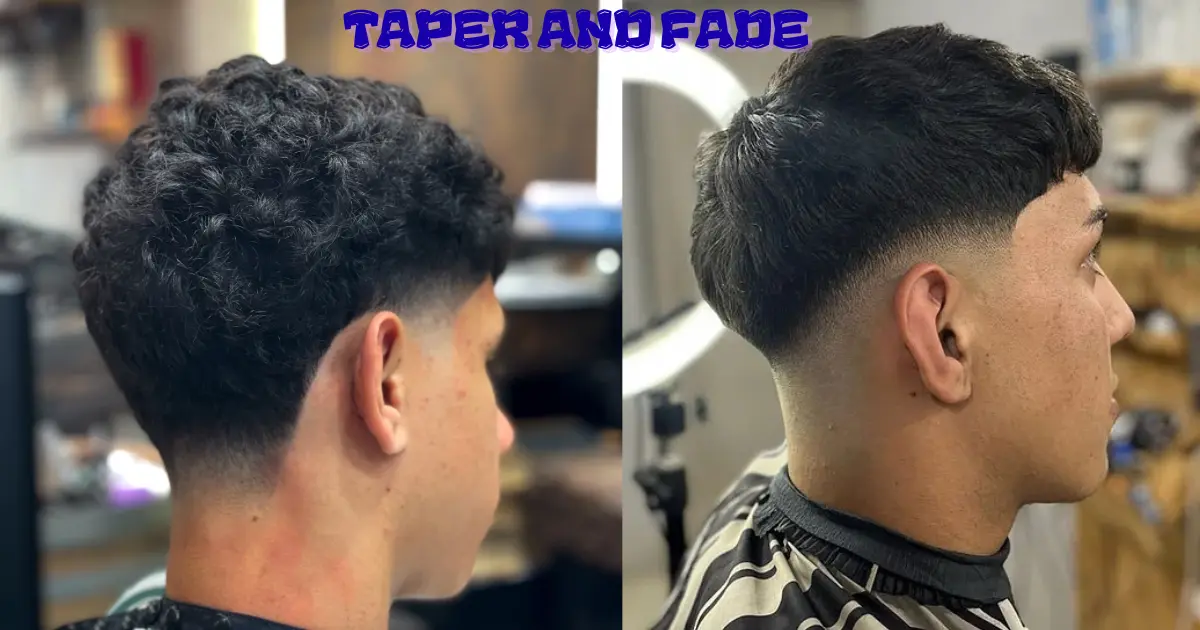
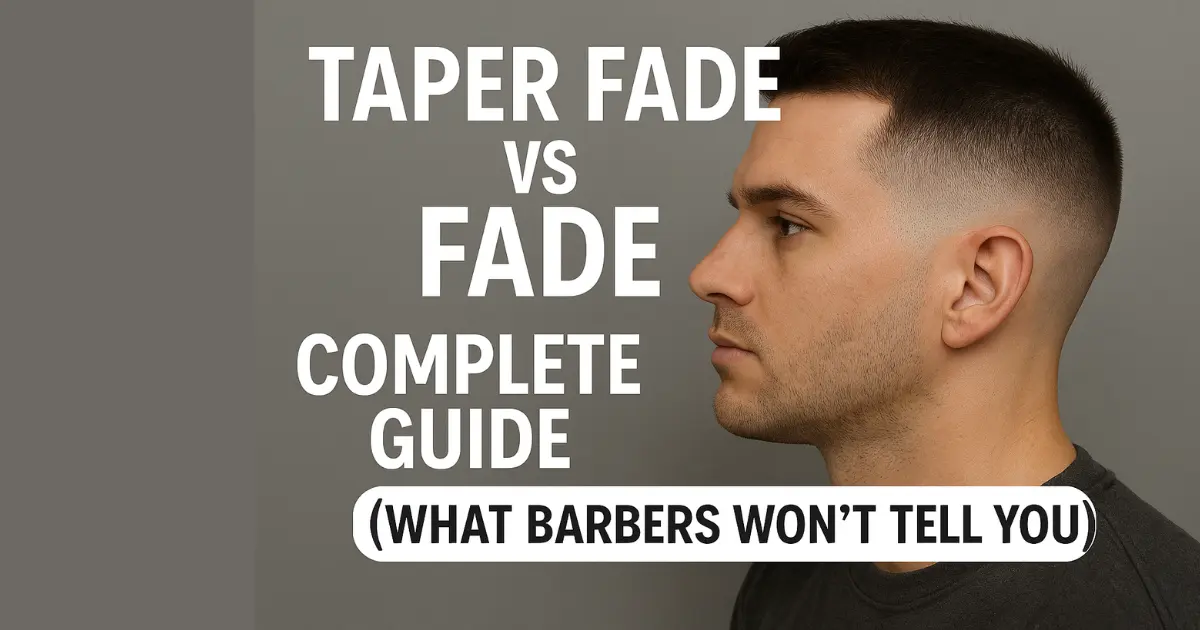
After eight years cutting fades in Melbourne’s busiest barbershops, I’ve watched hundreds of guys walk out with crisp low tapers, only to return three weeks later looking rough around the edges. How to maintain low taper fade properly isn’t about expensive products or daily salon visits. It comes down to understanding what makes your fade lose its sharpness and building a routine that prevents it. A low taper fade sits lower on your head than other fades, starting just above your ears and gradually blending into longer hair on top. This subtle placement gives you 2-3 weeks of solid shape with proper care, but neglect the basics and you’re back in the chair by day 10.
The fade loses definition because of three factors: natural hair growth, scalp health, and product choices. Your hair grows roughly half an inch monthly, which means visible regrowth appears around your ears and neckline within 7-10 days. Most low taper fades maintain peak sharpness for the first week, show slight growth by week two, and need professional attention beyond two weeks. Understanding these timelines helps you plan maintenance before your fade looks unkempt. Before jumping into daily routines, grasp the fundamentals of low taper fade basics so you know exactly what you’re maintaining.
TL;DR:
- Visit your barber every 2-3 weeks for professional touch-ups
- Wash hair 2-3 times weekly with sulfate-free shampoo
- Use lightweight styling products that rinse clean
- Clean up neckline and edges at home between cuts
- Protect your fade with silk/satin pillowcases
- Address scalp health to prevent flaking that ruins crisp lines
Understanding Your Low Taper Fade Maintenance Needs
A low taper fade starts its gradual hair length transition just above your ears, creating that smooth blend from longer top hair to skin-short sides. Unlike mid or high fades that require weekly touch-ups, the low taper gives you 2-3 weeks of solid shape with proper maintenance. This longer window between cuts makes it ideal for guys who want style without constant barber visits.
Your fade’s lifespan depends heavily on hair growth rate, texture, and daily care choices. Touch-ups every 2-3 weeks keep the fade clean, though faster-growing hair may need visits every 2-4 weeks. Thicker, curlier hair often masks regrowth better than fine, straight hair, which shows every millimeter of new growth. Dark hair reveals the contrast between faded and grown-out sections faster than lighter shades.
The differences between low taper and regular fades affect how you approach maintenance. Low tapers maintain more length on sides, giving you flexibility in styling while keeping edges crisp.
Week-by-Week Maintenance Timeline
Days 1-7: Peak Sharpness
Your fade sits at maximum definition straight from the barber chair. Style as usual with your preferred product and cleanse every 2-3 days to prevent oil buildup from setting in. Keep your routine light since the cut itself provides structure. This first week requires minimal intervention beyond basic hygiene.
Days 8-14: Growth Phase
Hair growth becomes visible, especially around ears and neckline, but your fade shouldn’t look messy yet. Product buildup starts killing the clean look during this phase, so proper cleansing becomes crucial. Apply leave-in conditioner after washing to keep your scalp hydrated and prevent flaking as hair grows in. Keep styling the top to maintain overall structure.
Days 15-21: Edge Cleanup Needed
If you’re handy with trimmers, clean up the neckline and around ears for a few extra days of sharpness. Most low taper fades need professional attention beyond two weeks, but strategic home touch-ups can extend this to three weeks. Focus on maintaining clean lines rather than attempting to recreate the fade gradient.
Beyond Day 21: Professional Required
The fade has lost enough definition that home maintenance won’t restore its crisp appearance. Book your next appointment before reaching this point to maintain consistent style.
Essential Products for Low Taper Fade Care
Cleansing Without Stripping
Harsh shampoos strip your scalp’s natural oils completely, causing your skin to panic and overcompensate by producing excess sebum by the next day. This creates a vicious cycle where you’re washing more frequently, which triggers more oil production. Switch to sulfate-free shampoos that clean without destroying your scalp’s natural balance.
Use gentle, plant-based cleansers 2-3 times per week, adding 1-2 pumps to wet hair and massaging into your scalp to lift dead skin and product residue. Focus especially on the faded areas where buildup accumulates. Rinse thoroughly to ensure no residue remains.
Conditioning for Definition
Follow cleansing with a moisturizing conditioner to prevent dryness and flaking, or co-wash between regular washes if you have textured or curly hair to retain natural oils. Hydrated hair grows evenly and looks healthier. Your fade’s short hairs stay smooth instead of standing up in frizzy directions, and a conditioned scalp doesn’t shed dead skin into your clean lines.
Styling Products That Won’t Sabotage Your Fade
Traditional pomades and waxes coat your hair with silicones and petroleum-based ingredients, causing your fade to look greasy, flat, and shapeless by day three. You need products that provide hold and texture without building up over multiple applications.
Look for matte pomades, styling clays, or texture creams made with natural ingredients that wash out completely. Apply small amounts to dry or slightly damp hair, working through the top for texture. Products that rinse clean mean you’re starting fresh with each wash rather than layering residue.
Daily Care Routine for Maximum Longevity
Morning Styling
Each morning, lightly dampen your hair and style with a comb or brush, using a light styling product to control shape without stiffness. This takes under two minutes but keeps your fade looking intentional throughout the day. Direct hair in your desired flow to maintain the taper’s structured appearance.
Washing Schedule
Wash your hair 2-3 times weekly with gentle shampoo to avoid dryness, and on non-wash days, rinse with water and apply a leave-in conditioner or a few drops of oil. Over-washing strips the natural moisture that keeps hair manageable. Your scalp needs those natural oils to stay balanced and healthy.
Sleep Protection
Use silk or satin pillowcases offering minimum friction to protect hair during sleep. Cotton pillowcases create friction that can cause frizz, breakage, and messy fade lines by morning. The smooth fabric lets your hair glide across the surface, preserving your style overnight.
At-Home Touch-Ups Between Barber Visits
Neckline Maintenance
On day 5 or 6, use a line-up trimmer to sharpen edges around temples, neckline, and sideburns, creating the illusion of a fresh fade even when growing out. Clean lines make the biggest visual impact when your fade starts losing definition. Use a handheld mirror to check your work from multiple angles.
Keep your trimmer steady and follow the natural fade line your barber created. Don’t try to move the line higher or create new shapes. Your goal is maintaining existing edges, not redesigning the cut.
Edge Work Technique
Brush and style hair daily using a soft brush or wide-tooth comb in the morning to tame frizz and direct hair in the desired flow. This simple step maintains the taper’s structured look without requiring products or tools. Consistent brushing trains your hair to lay in the right direction.
What Not to Attempt at Home
To blend the fade smoothly, barbers use shorter guards on the bottom and gradually switch to longer guards moving higher up, creating seamless transitions. Attempting this complex blending at home without training usually results in uneven lines and obvious mistakes. Save the actual fading work for professionals.
Hair Type-Specific Maintenance Approaches
Curly Hair Considerations
For curly hair, use products like curl-enhancing cream and let your hair air dry for a natural look, or use a diffuser on low heat to define curls while maintaining volume. Curls need extra moisture to prevent frizz from ruining your fade’s clean lines. Consider maintaining curly hair with a low taper for texture-specific strategies.
Switch to silk or satin pillowcases to reduce friction overnight. Cotton causes curl disruption and frizz that makes your fade look messy by morning. A small amount of leave-in conditioner or curl cream applied daily keeps definition without weighing hair down.
Thick Hair Management
Thick hair holds fade shape longer but requires strategic product use to prevent bulk. Apply sea salt spray before blow-drying to lift roots, then use fingers to tousle and separate sections before locking in shape with texture powder, clay or paste. Layer products lightly to build volume and shape without creating buildup. Check out thick hair maintenance strategies for detailed techniques.
Fine or Straight Hair
Fine hair shows regrowth faster than other textures because there’s less volume to hide growing sections. Schedule barber visits every 2 weeks instead of 3 to maintain crisp appearance. Use lightweight styling creams rather than heavy pomades that flatten fine hair and make fades look dull.
Common Maintenance Mistakes That Ruin Your Fade
Over-Fading the Hairline
One of the biggest mistakes is over-fading the hairline when trimming at home, fading too high up on sides and making transitions look harsh and uneven. Keep your fade subtle and natural by sticking to the low placement near ears. If you start moving the fade line higher during home touch-ups, you’re creating a different haircut entirely.
Skipping Regular Trims
A low taper fade requires regular maintenance to keep looking fresh; skipping trims for too long causes hair to grow out and fade to lose clean lines. That “I’ll wait one more week” mentality often leads to month-long gaps where your fade completely disappears. Schedule your next appointment before leaving the barbershop.
Wrong Product Choices
Using the wrong product or too much of it ruins the natural flow of your fade, with heavy product buildup making hair look greasy instead of effortlessly styled. Start with a pea-sized amount and add more only if needed. Most guys use three times more product than necessary.
Neglecting Scalp Health
Visible flaking and irritation on your fade aren’t just dandruff but your scalp reacting to harsh cleansers and synthetic fragrances. Those white flakes destroy the crisp look you’re trying to maintain. Clean scalp equals crisp lines; eliminating buildup and flaking keeps your fade’s definition intact.
Professional vs. Home Maintenance Balance
What Barbers Do Better
Barbers create seamless transitions by using different clipper guard sizes and blade settings for smooth transitions without obvious breaks. Professional blending requires skills developed over years of practice. They see your head from every angle and catch uneven spots you’d miss at home.
Invest in professional cuts every 2-3 weeks for the actual fade work. This ensures proper technique, symmetrical results, and expert advice on your specific hair characteristics.
Effective Home Maintenance
You can handle basic upkeep between professional visits: neckline cleanup, edge trimming, daily styling, and product selection. Home maintenance includes edge trimming with clippers to keep clean lines and regular neckline cleanup every few days to preserve fade shape. These simple tasks extend the life of your professional cut.
Quality clippers designed for home use cost $50-100 and pay for themselves after four uses. Look for models with adjustable guards and detailed edge trimmers for precise work.
When to Book Your Next Barber Appointment
Visit the barber every 2-3 weeks to maintain the clean gradient and prevent overgrowth, with touch-ups keeping the taper defined and maintaining clean outline. This frequency applies to most hair types and growth rates. Those with faster-growing hair might need visits every 2 weeks, while slower growers can sometimes stretch to 4 weeks.
Signs Your Fade Needs Refreshing
Key indicators include visible regrowth at hairline of 1/4 inch or more, blurred fade lines between guard lengths, and neck hair extending beyond collar line. When you notice these signs, schedule your appointment within the next few days rather than waiting another week.
Your fade should look intentional, not overgrown. If you’re constantly adjusting your hair or wearing hats to hide regrowth, you’ve waited too long.
Related Fade Maintenance Approaches
Looking beyond just your low taper? The principles covered here apply broadly across fade styles, though timing and techniques vary. The mid taper fade maintenance approach shares many strategies but requires slightly more frequent touch-ups since the fade sits higher on your head. Consider exploring the mid taper fade if you want more contrast while keeping maintenance relatively manageable.
Maintaining a low taper fade combines professional expertise with consistent home care. Your fade represents an investment in your appearance, and like any investment, it requires strategic attention to deliver returns. Book regular barber visits, use quality products that don’t sabotage your scalp, protect your fade overnight, and handle basic touch-ups at home. These four pillars keep your low taper sharp for 3 weeks or longer, giving you that fresh-cut confidence without living at the barbershop.
FAQ: Low Taper Fade Maintenance
How often should I visit the barber for a low taper fade?
Visit your barber every 2-3 weeks to maintain the clean gradient and prevent overgrowth. Those with faster hair growth may need appointments every 2 weeks, while slower growers can sometimes extend to 4 weeks.
What products do I need to maintain a low taper fade?
You need sulfate-free shampoo, moisturizing conditioner, and a lightweight styling product like matte pomade or texture clay. Avoid traditional pomades and waxes that coat hair with silicones and petroleum-based ingredients, causing greasy, flat appearance by day three.
How long does a low taper fade last before needing a touch-up?
Most low taper fades maintain a sharp look for 12-16 days, with grow-out becoming noticeable when faded area reaches 1/4 inch length, neckline becomes fuzzy, or contrast between top and sides diminishes.
Can I maintain a low taper fade at home between cuts?
Yes, you can handle basic maintenance. Use a line-up trimmer on day 5 or 6 to sharpen edges around temples, neckline, and sideburns. However, leave actual fade blending to professionals.
What are the most common low taper fade maintenance mistakes?
The biggest mistakes include over-fading the hairline when trimming, skipping trims for too long, and using wrong guard sizes that cause uneven fade lines. Also, using too much product or harsh shampoos damages fade appearance.
How should I clean up my neckline between barber visits?
Use precision trimmers to follow your existing fade line without moving it higher. Regular neckline cleanup every few days preserves fade shape and prevents loss of definition. Check your work with a handheld mirror from multiple angles.
What's the best shampoo for maintaining a fade?
Use sulfate-free shampoo 2-3 times per week, always following with moisturizing conditioner to prevent dryness and flaking. Sulfates strip natural oils and trigger excess sebum production.
How do I style a low taper fade daily?
Each morning, lightly dampen hair and style with a comb or brush using light styling product to control shape without stiffness. This takes under two minutes and maintains structured appearance throughout the day.
When does a fade need refreshing instead of home touch-ups?
Your fade needs professional refreshing when you notice visible regrowth at hairline of 1/4 inch or more, blurred fade lines between guard lengths, and neck hair extending beyond collar line.
What tools are needed for home fade maintenance?
Essential tools include quality adjustable clippers, precision edge trimmers, a comb, handheld mirror, and styling products. Clippers are used to trim sides and back keeping fade smooth, while trimmers perfect edges around hairline and neckline.
How can I prevent my fade from looking messy as it grows?
Keep scalp clean and hair conditioned so growth looks intentional instead of messy. Use silk pillowcases, maintain daily styling routine, and perform strategic edge cleanup at home between professional visits.
Should I wash my hair before getting a trim?
Wash your hair the day before your appointment to remove product buildup. Avoid applying heavy products that might interfere with the cut. Clean hair helps your barber deliver precise results.